endigo
Log In
Sign Up
Pre-K
Kindergarten
Grade1
Grade 2
Grade 3
Grade 4
Grade 5
Grade 3 math practice
Help your child build strong math skills with simple, step-by-step practice that builds confidence and accuracy.
My progress
My recommendations
Needs practice
Improving
50% - 79%
Proficient
80% - 89%
Mastered
90% - 100%
A. Build multiplication basics
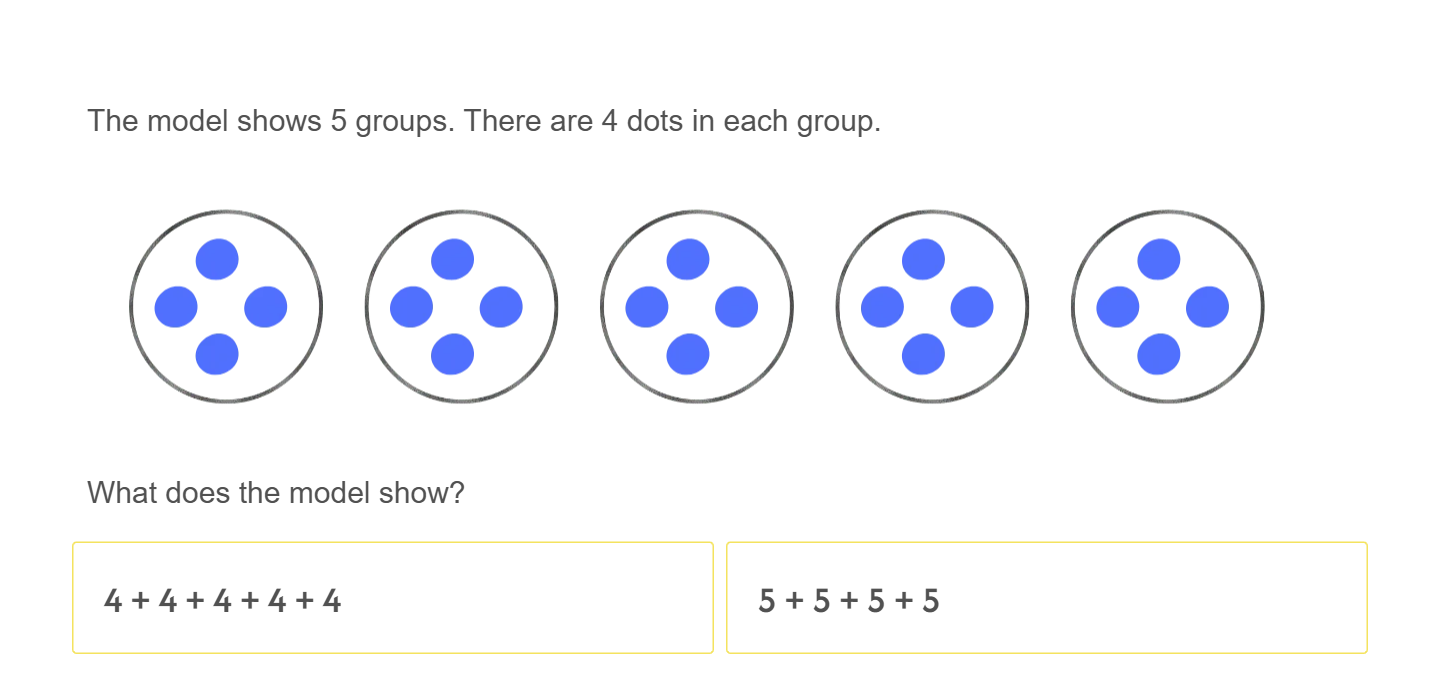
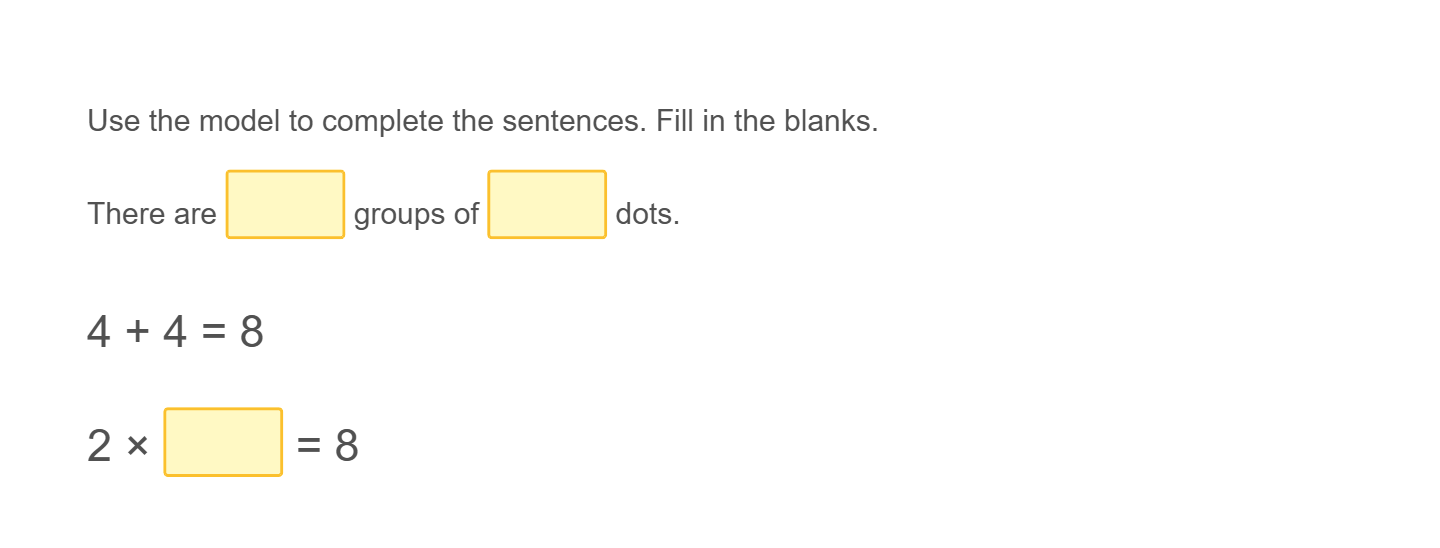
1. Repeated addition: equal groups
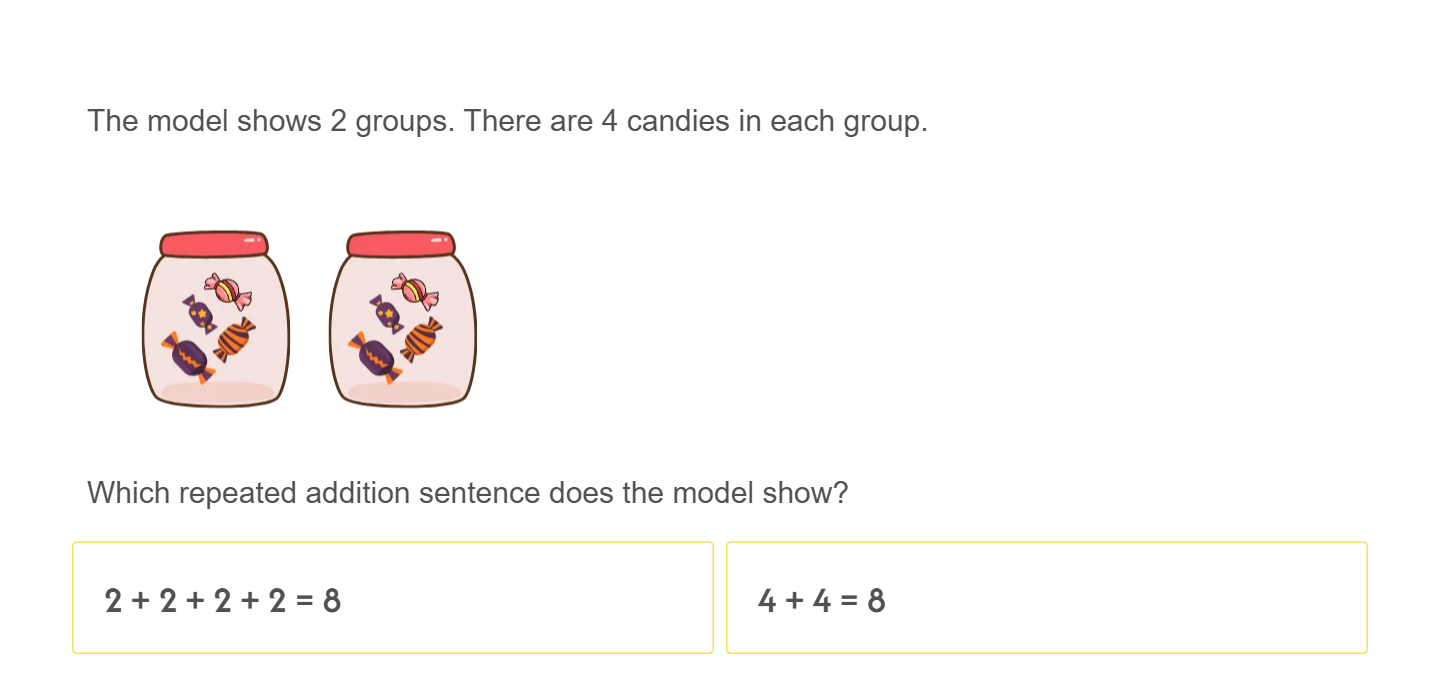
2. Repeated addition sentences
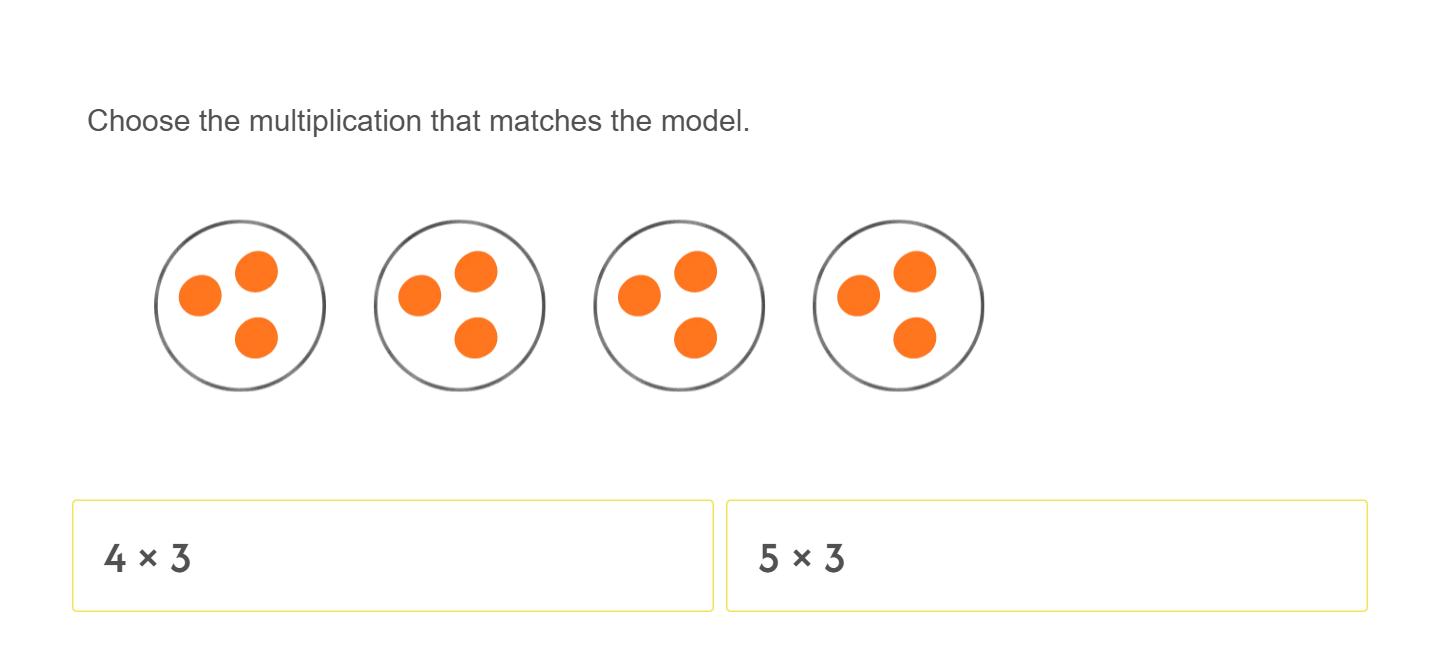
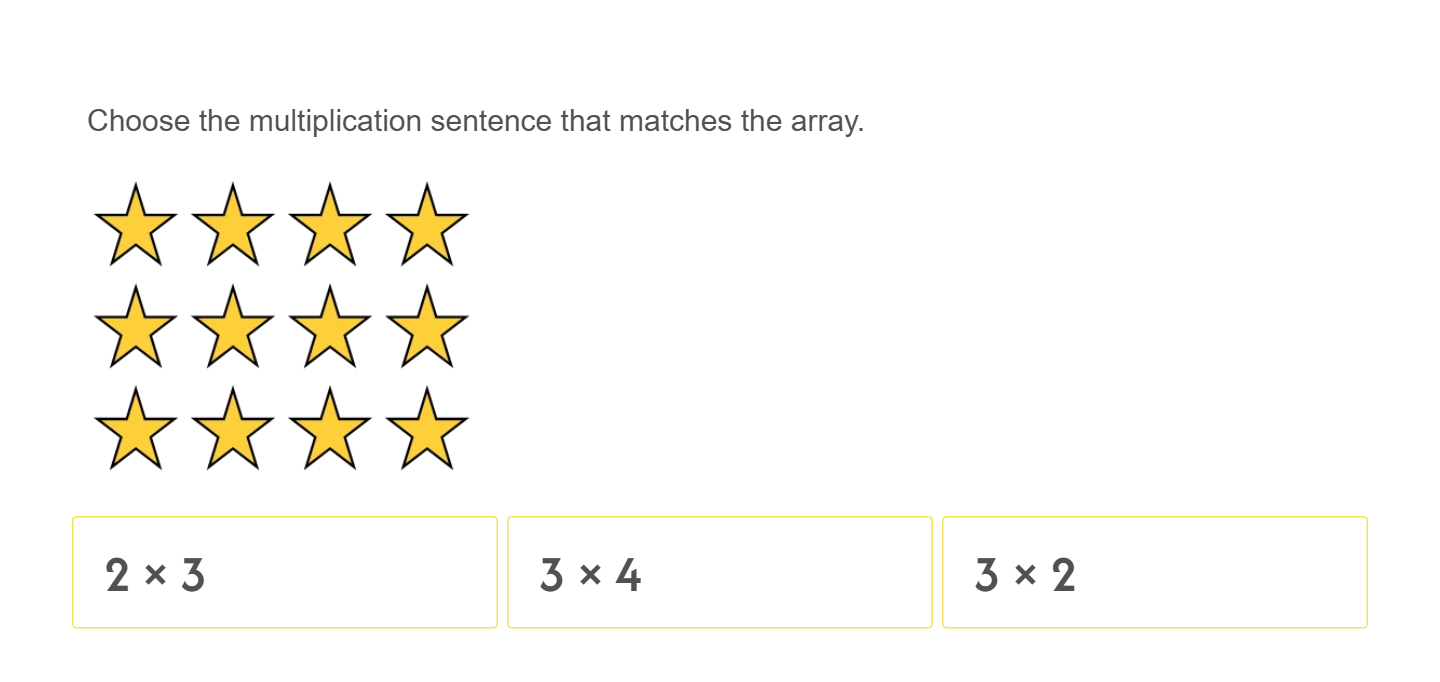
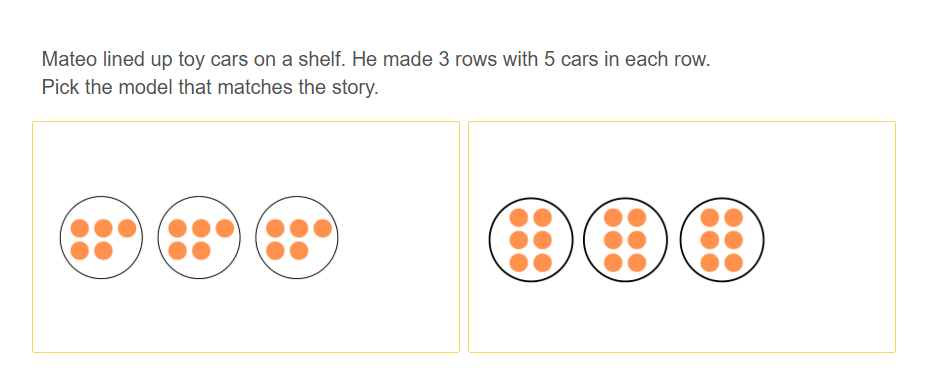
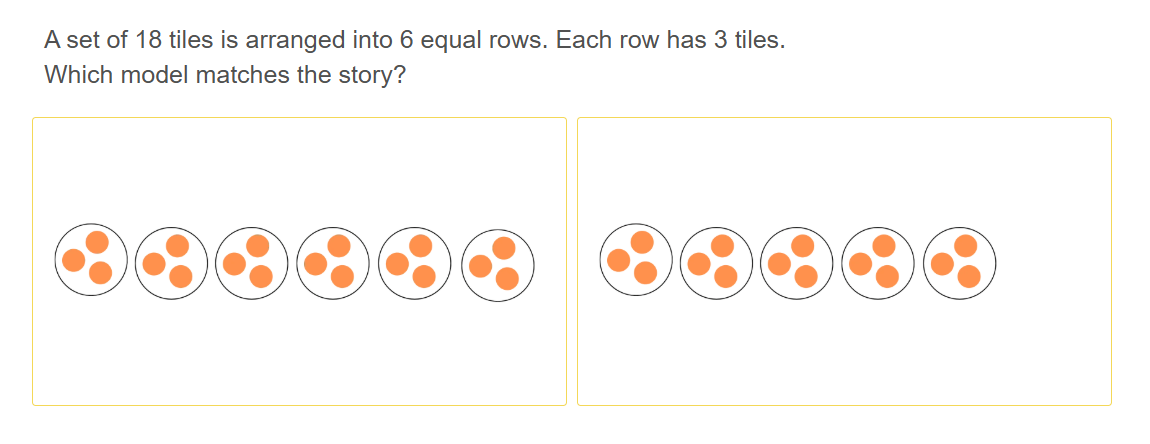
3. Choose the multiplication that matches the model
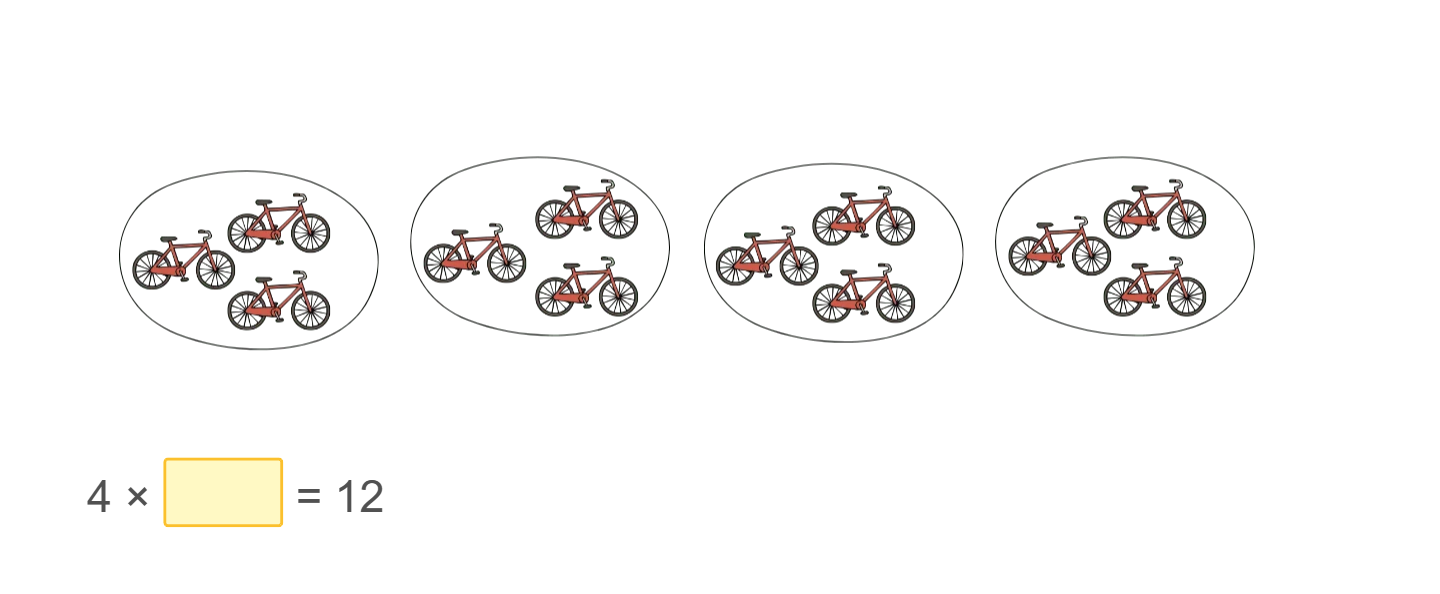
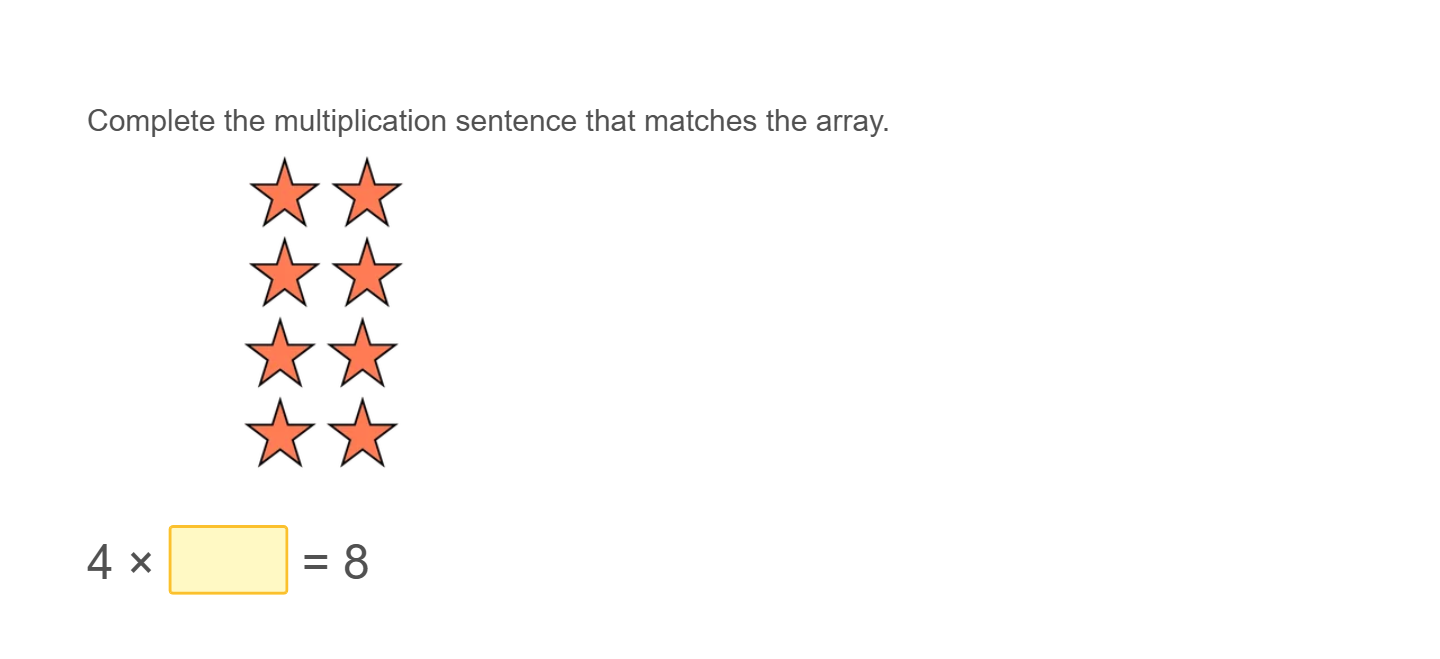
4. Complete the multiplication sentences
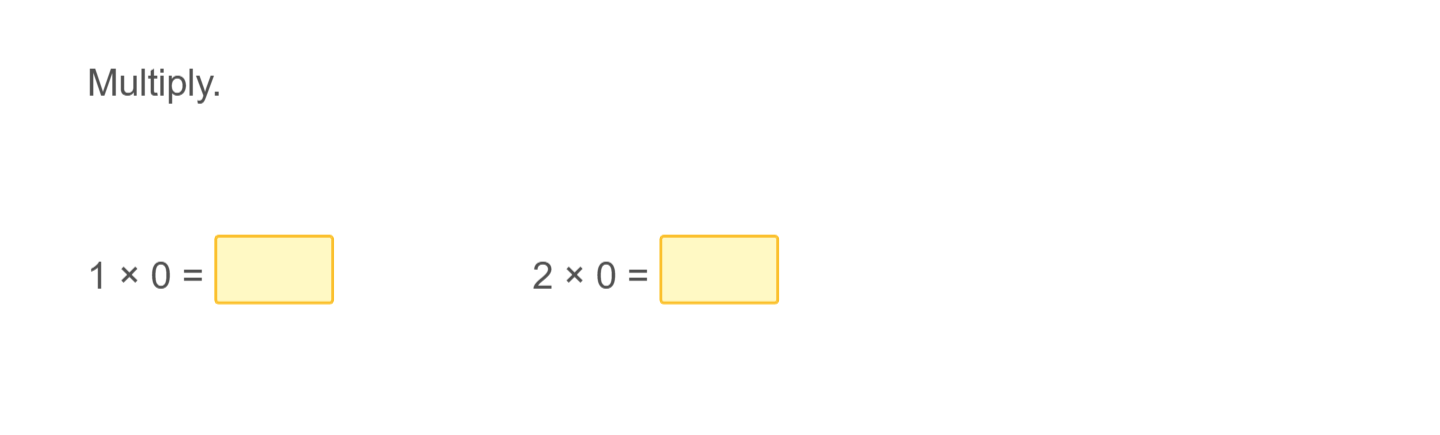
5. Complete the multiplication sentences - multiply 0 or 1
6. Relate addition and multiplication facts
7. Use arrays to find multiplication
8. Complete multiplication sentences using arrays
B. Master multiplication facts
1. Multiply by 0
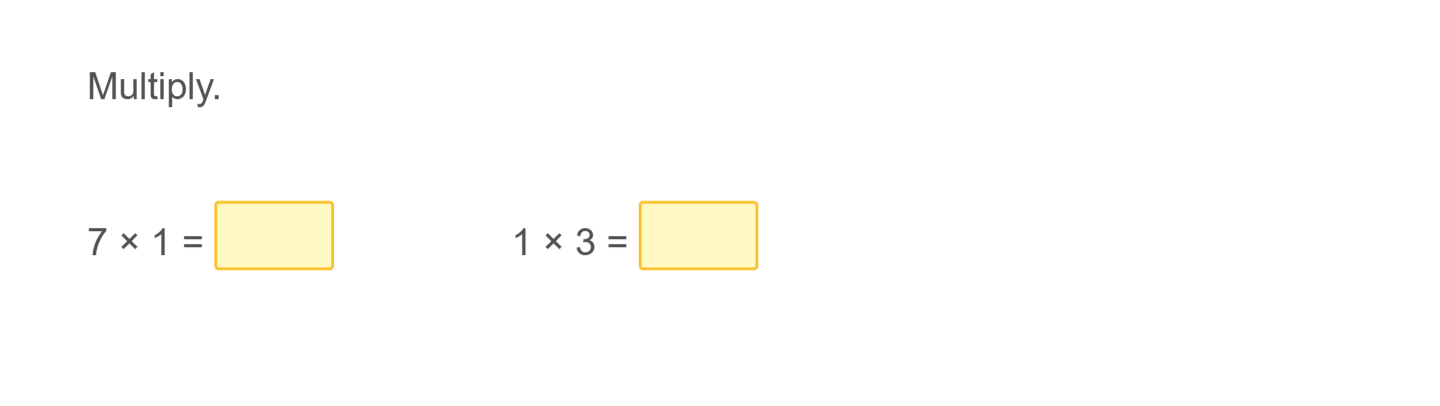
2. Multiply by 1
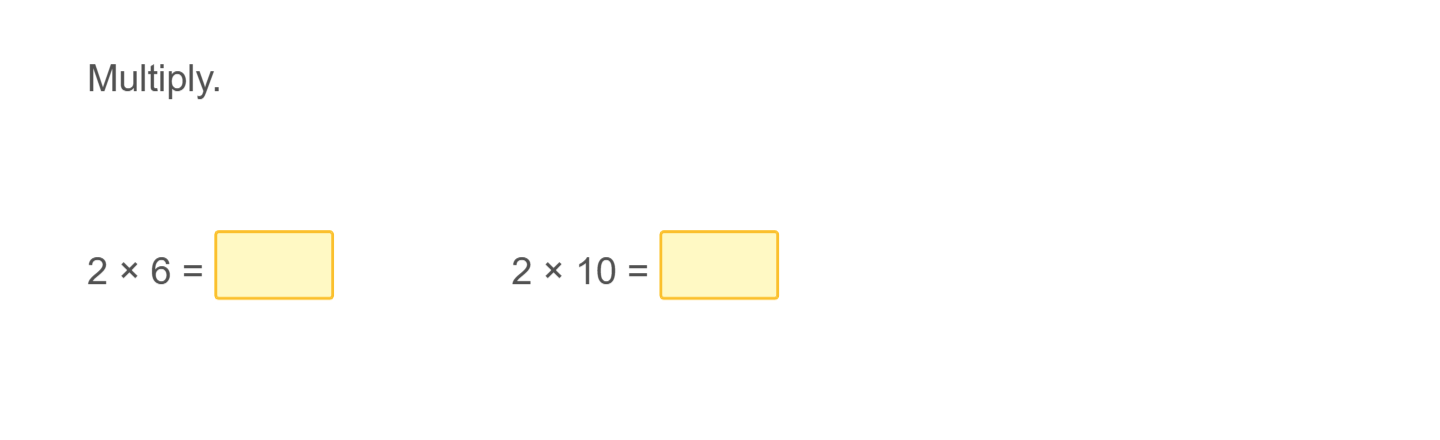
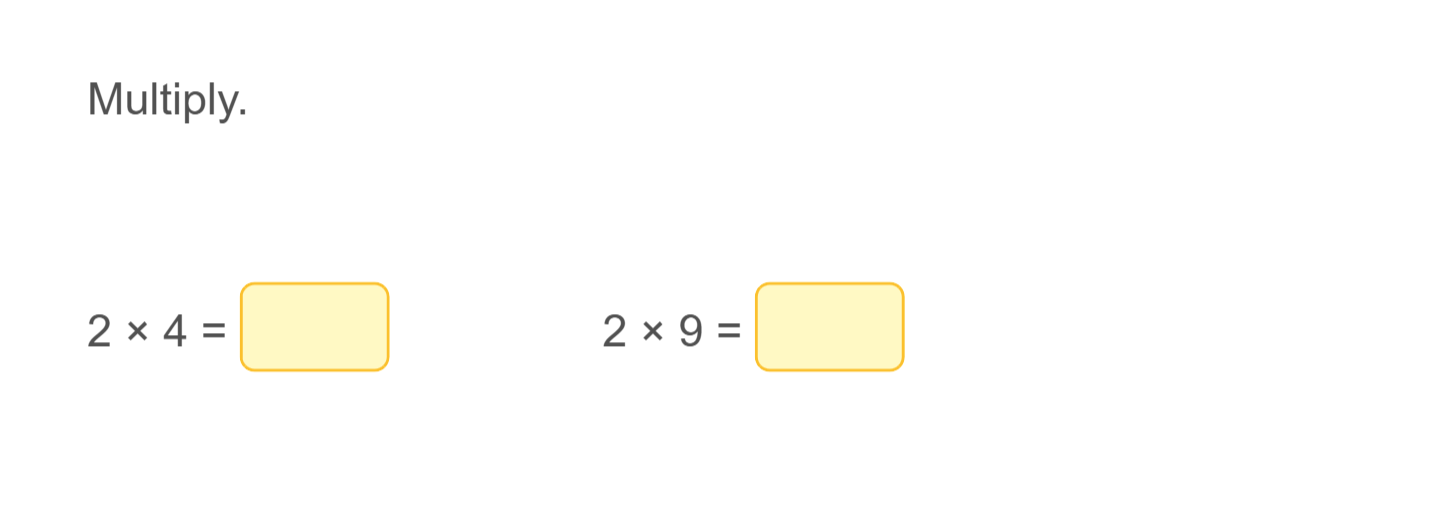
3. Multiply by 2
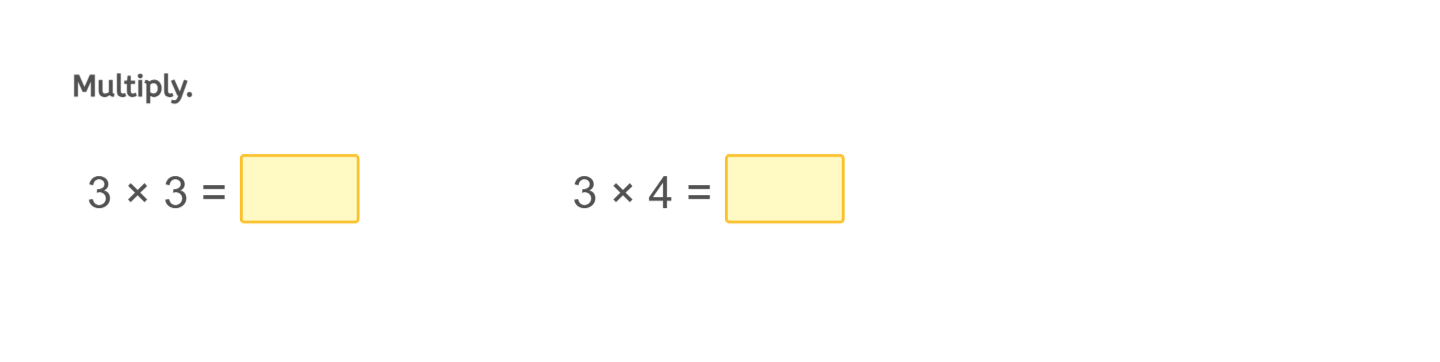
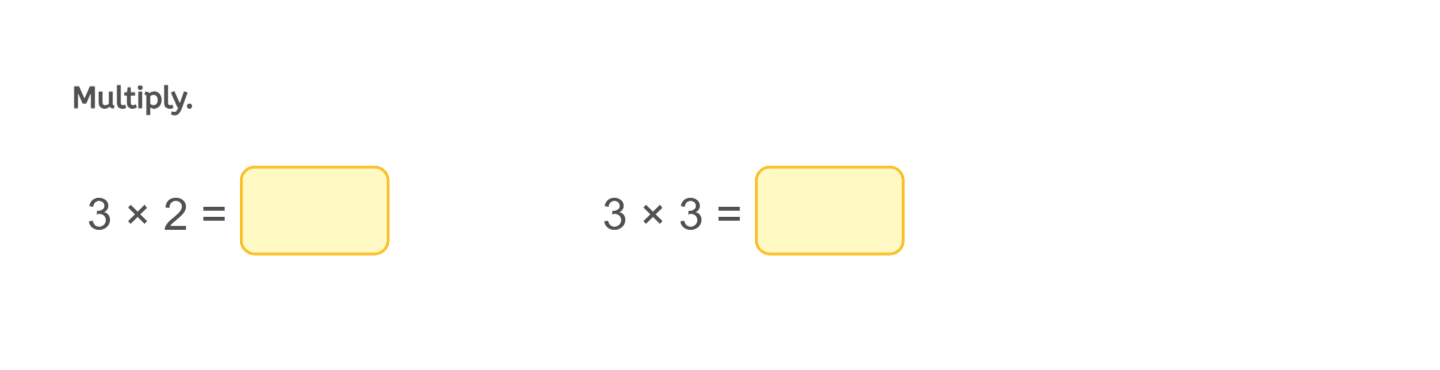
4. Multiply by 3
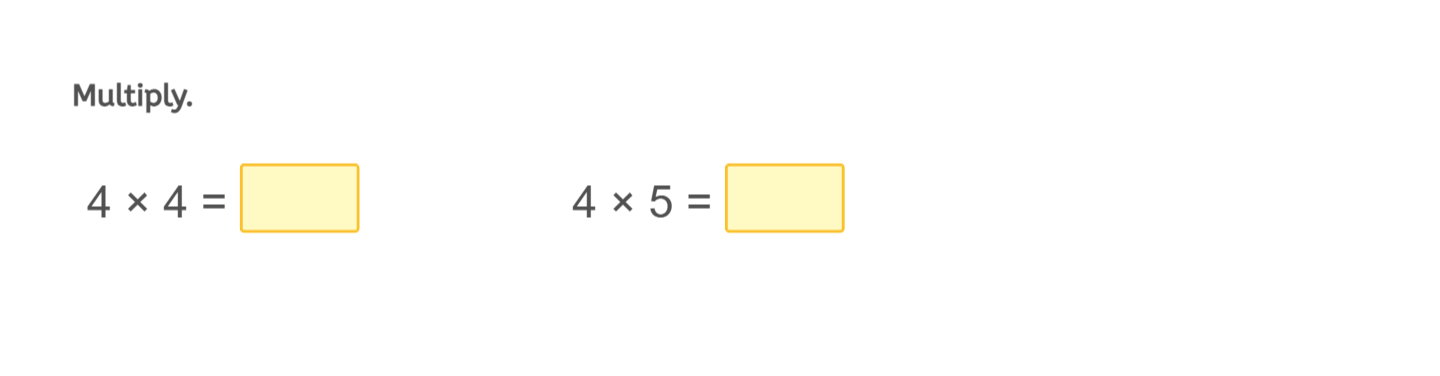
5. Multiply by 4
6. Multiply by 5
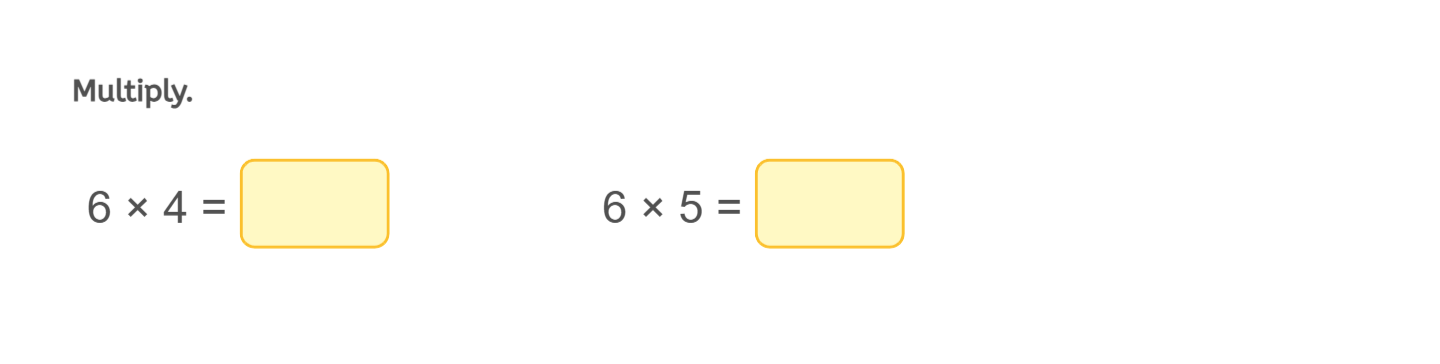
7. Multiply by 6
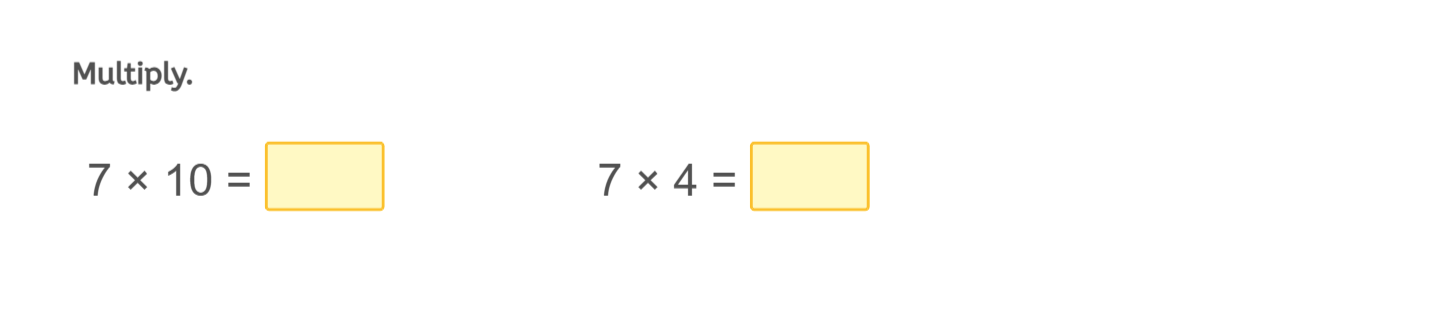
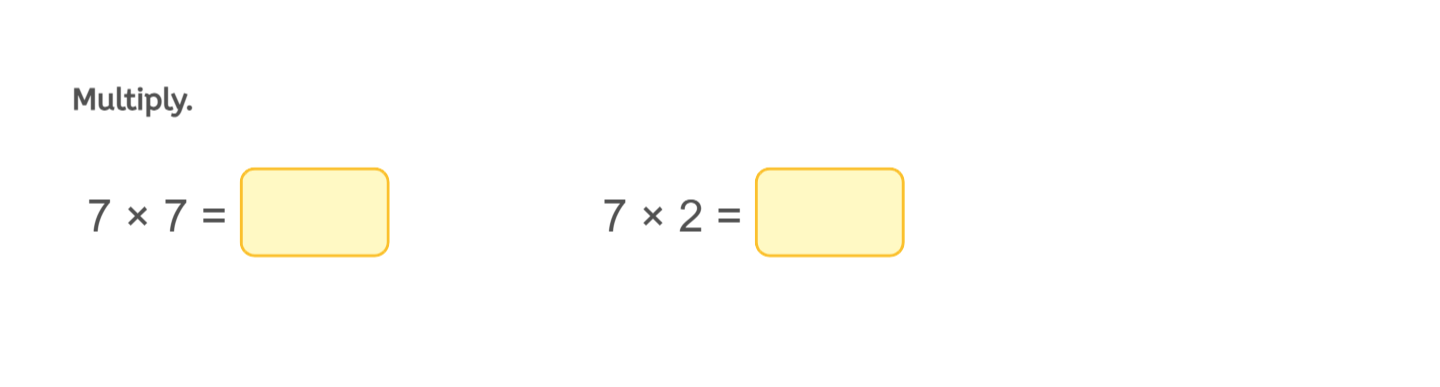
8. Multiply by 7
9. Multiply by 8
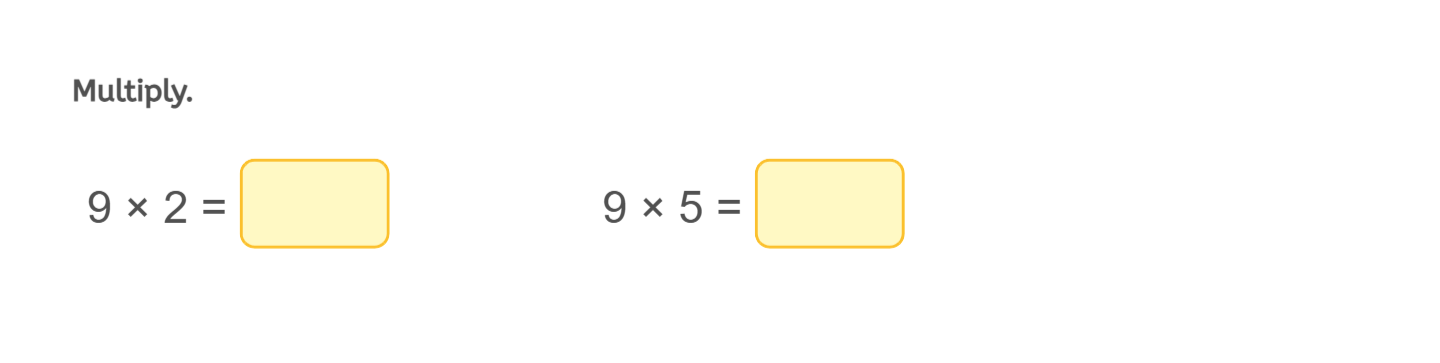
10. Multiply by 9
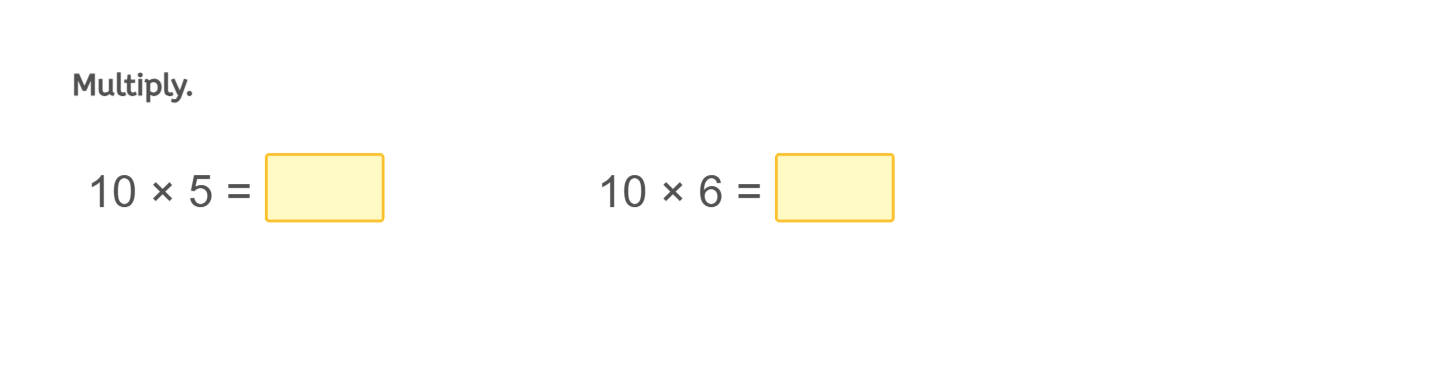
11. Multiply by 10
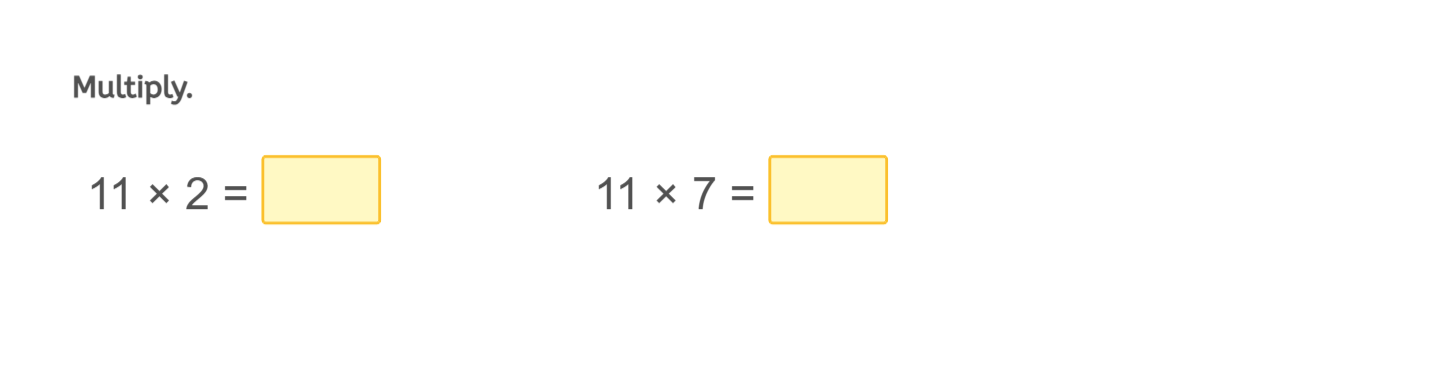
12. Multiply by 11
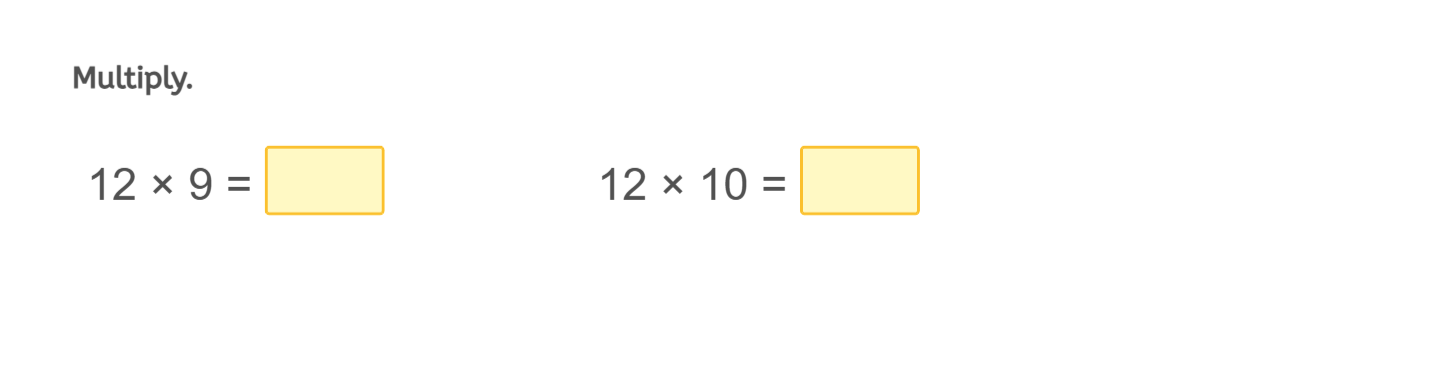
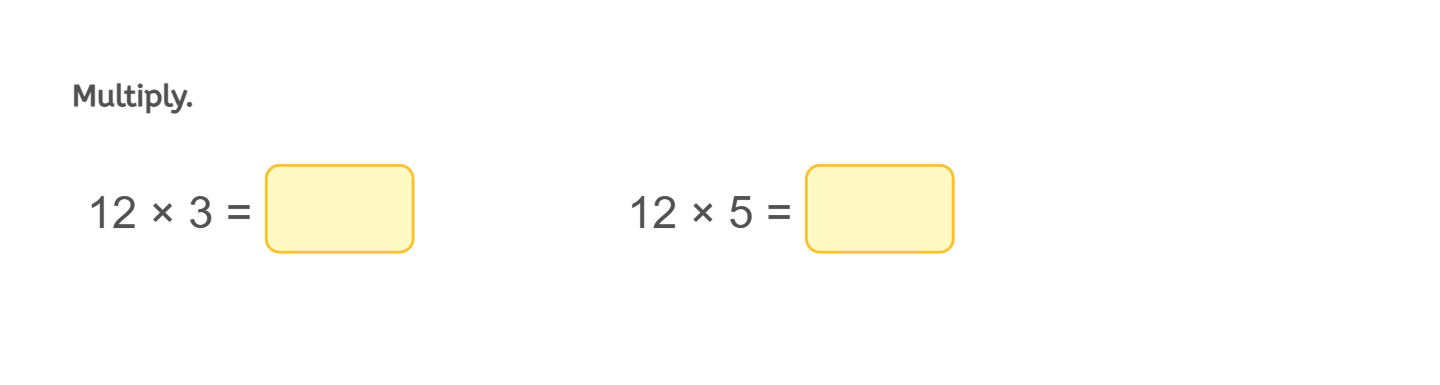
13. Multiply by 12
C. Multiplication facts fluency up to 12
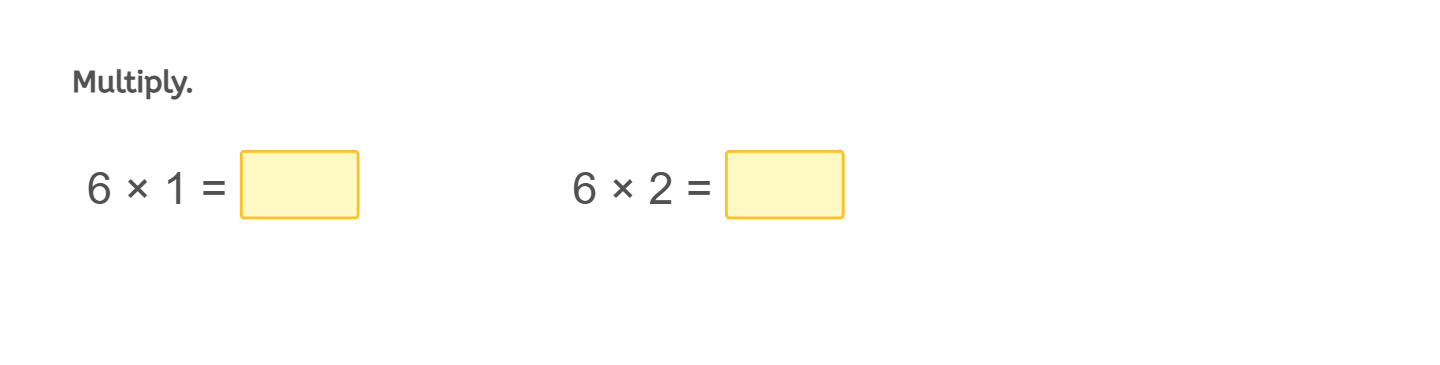
1. Multiplication facts for 1 and 2
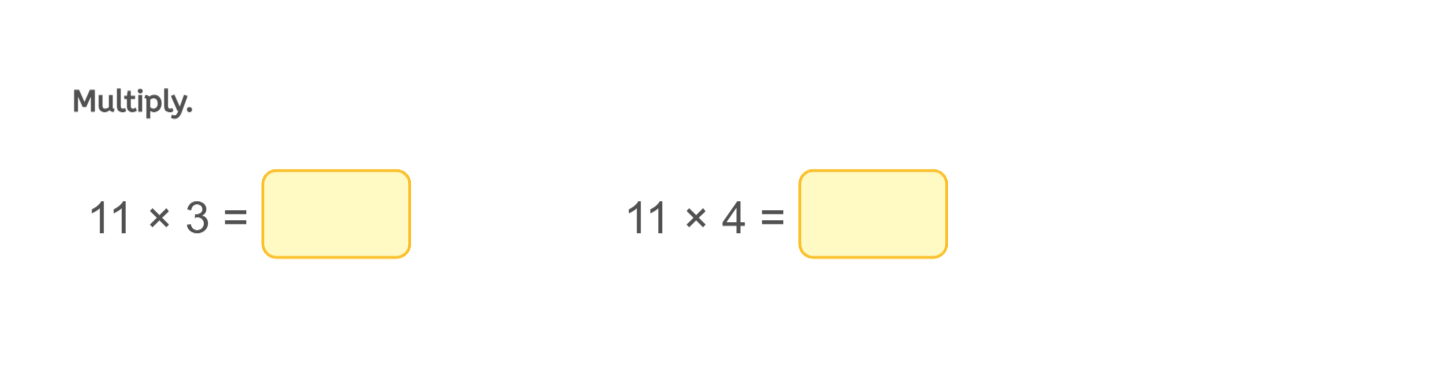
2. Multiplication facts for 3 and 4
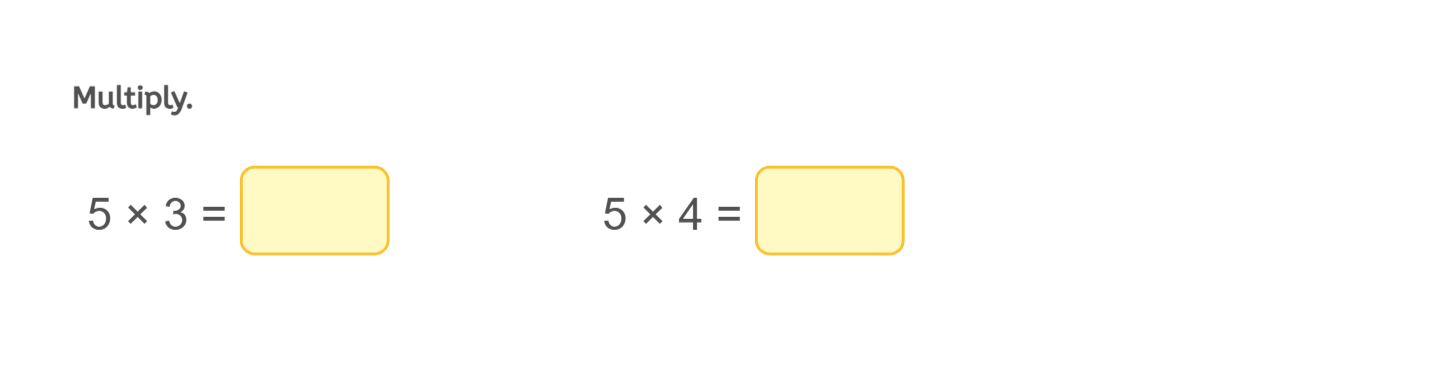
3. Multiplication facts for 5 and 6
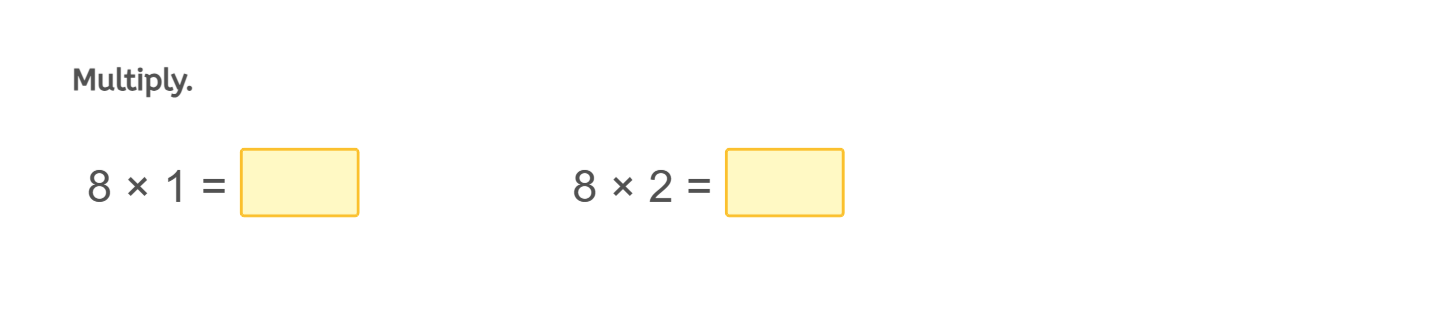
4. Multiplication facts for 7 and 8
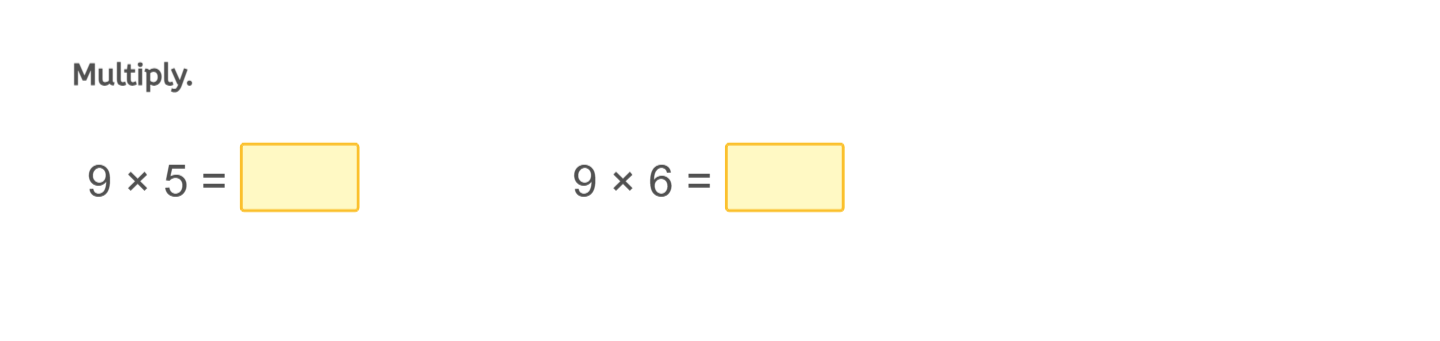
5. Multiplication facts for 9 and 10
6. Multiplication facts for 11 and 12
7. Multiplication facts: 2,3,4, and 5
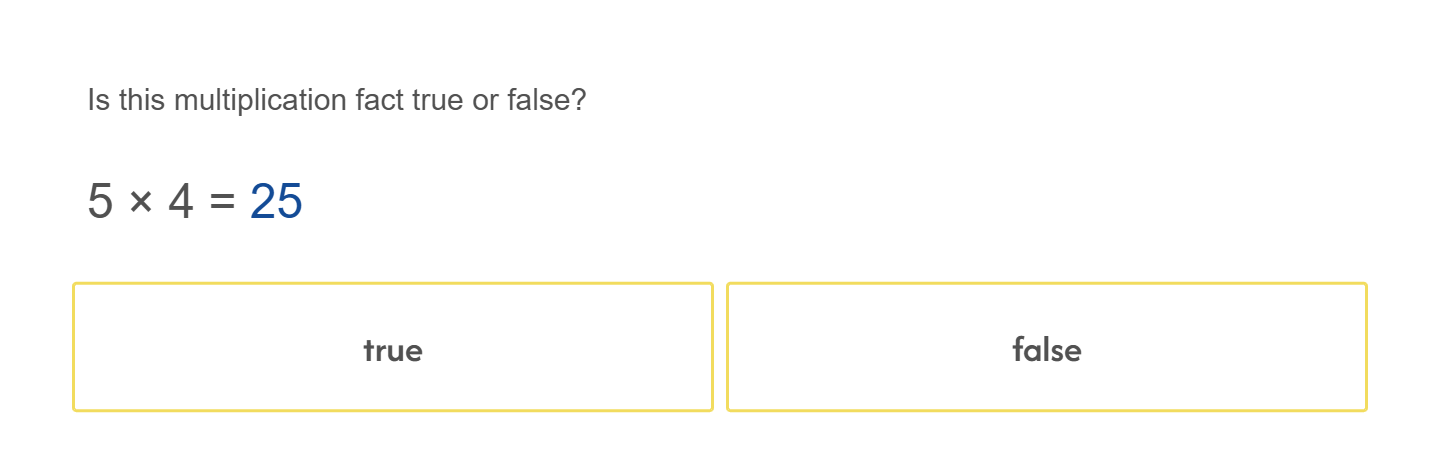
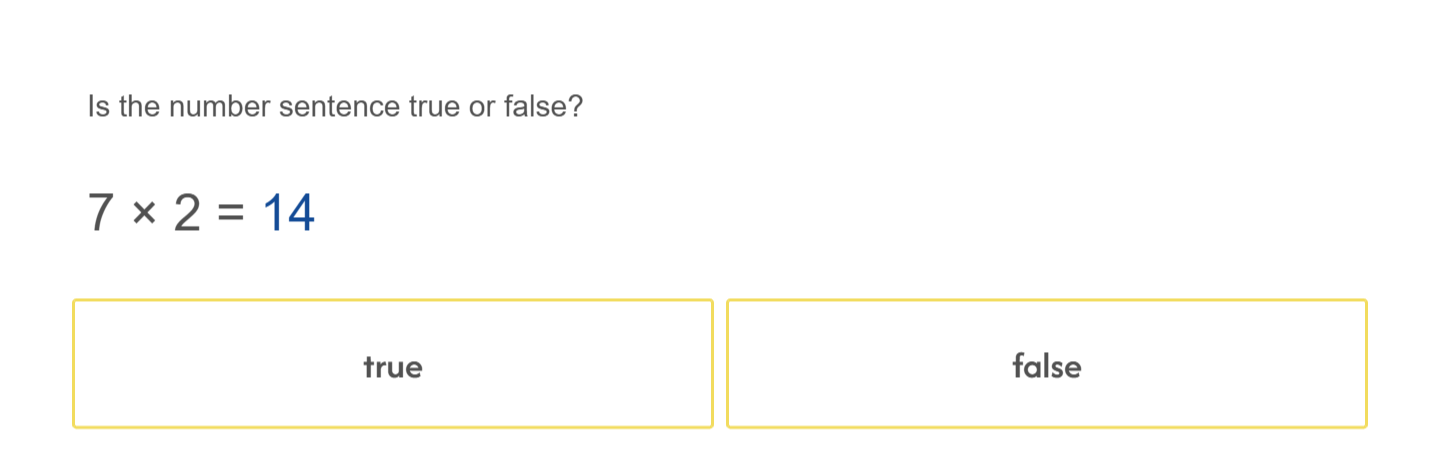
8. Multiplication facts for 2,3,4,5: true or false
9. Find the missing factor: 2,3,4,5
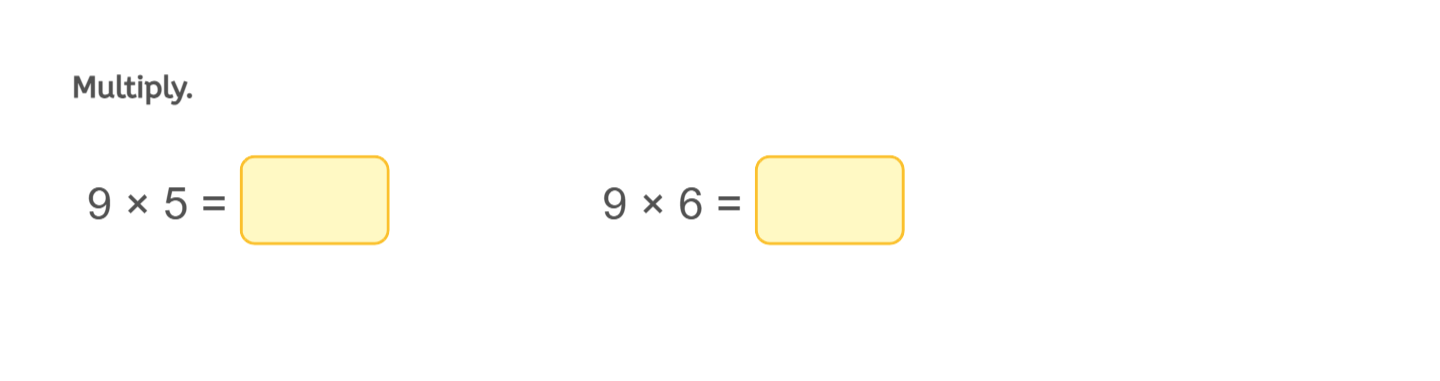
10. Multiplication facts: 6,7,8, and 9
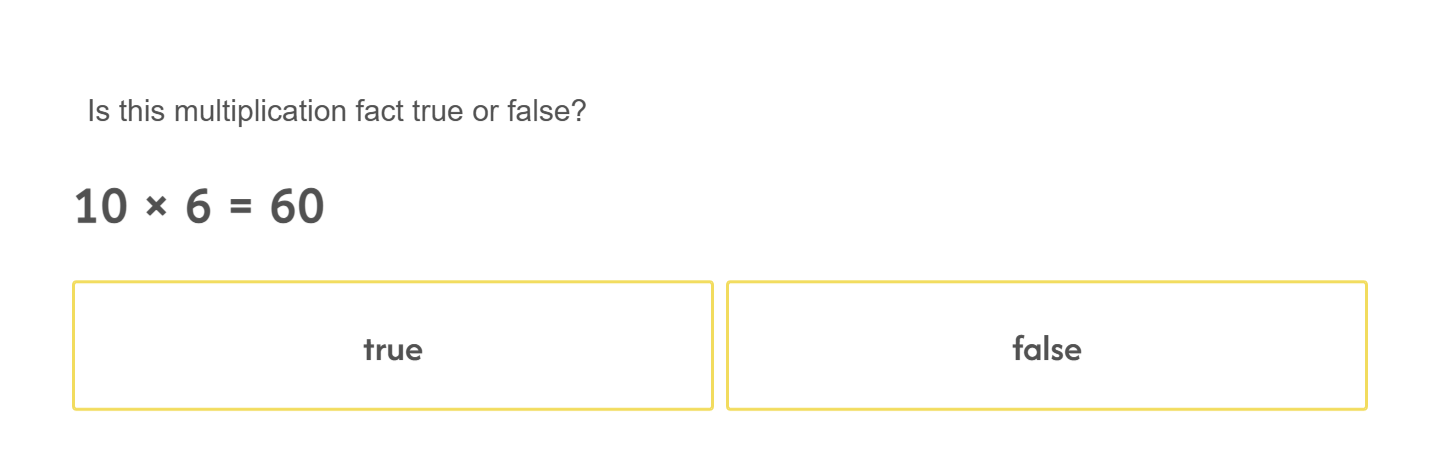
11. Multiplication facts for 6,7,8, and 9: true or false
12. Find the missing factor: 6,7,8, and 9
13. Multiplication facts: 10, 11, 12
14. Multiplication facts for 10,11,12: true or false
15. Find the missing factor: 10,11,12
D. Multiplication facts up to 12: review
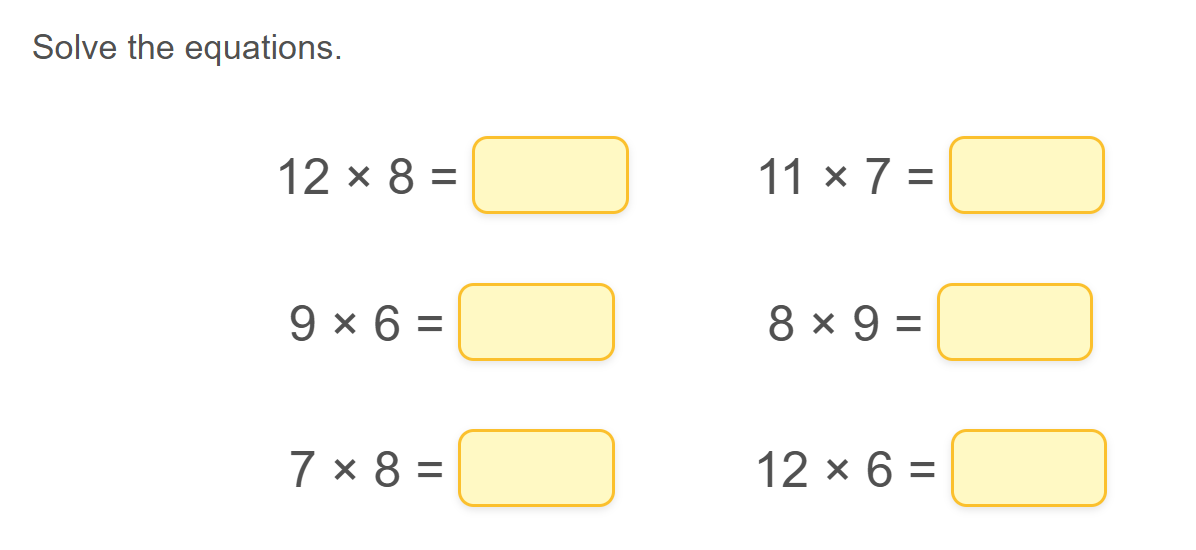
1. Multiplication facts up to 12
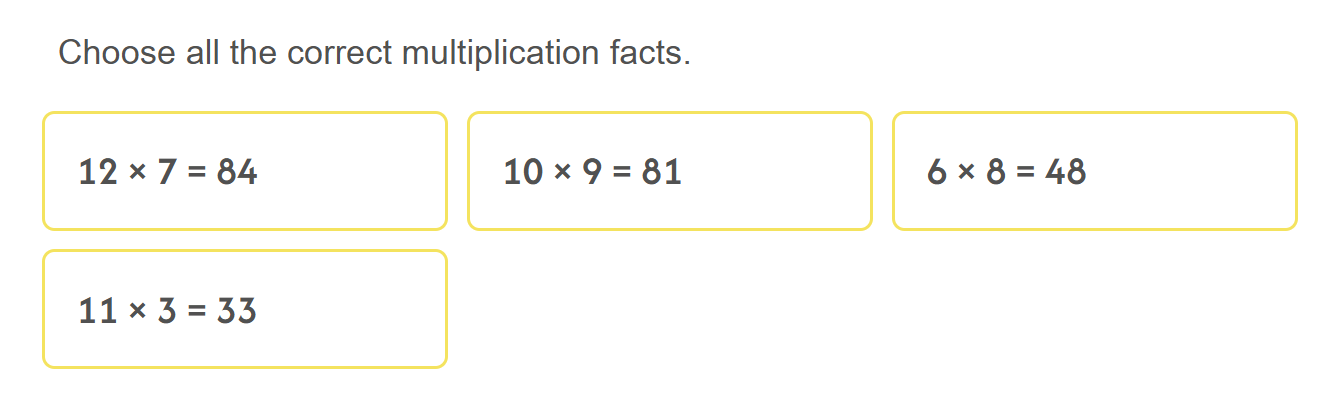
2. Choose all the correct multiplication facts
3. Complete the multiplication sentences
4. Squares up to 12
E. Place value
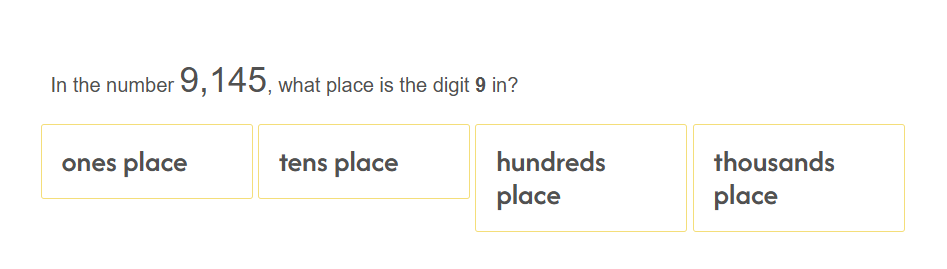
1. Identify place value of a digit up to thousands
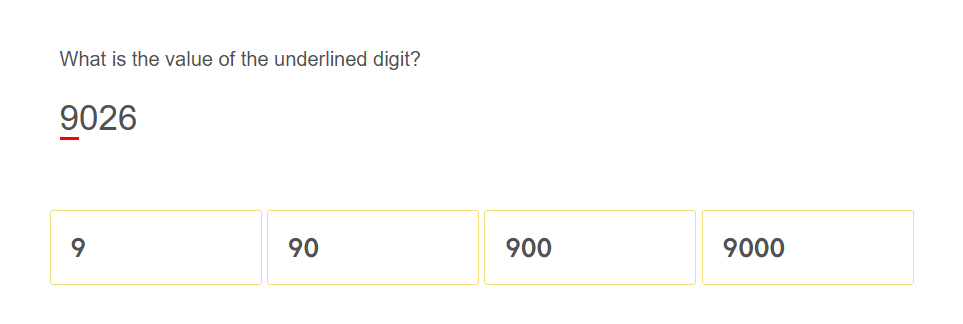
2. Find the value of a digit
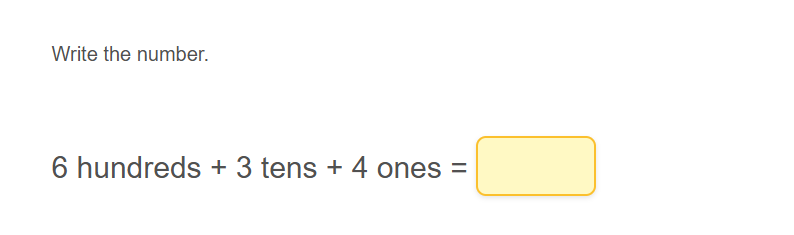
3. Write numbers in standard/expanded form
4. Covert between standard and expanded form
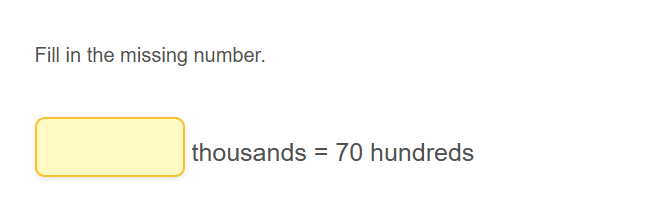
5. Convert between place value units
6. Place values
F. Comparing and ordering
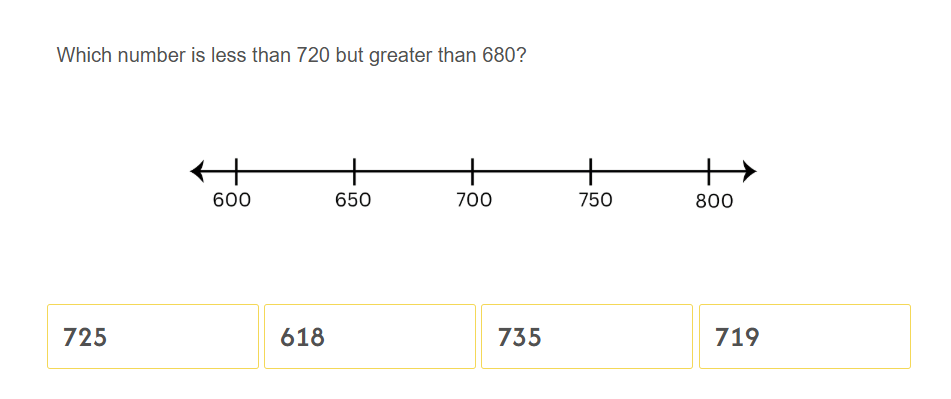
1. Compare numbers to 1000 on a number line
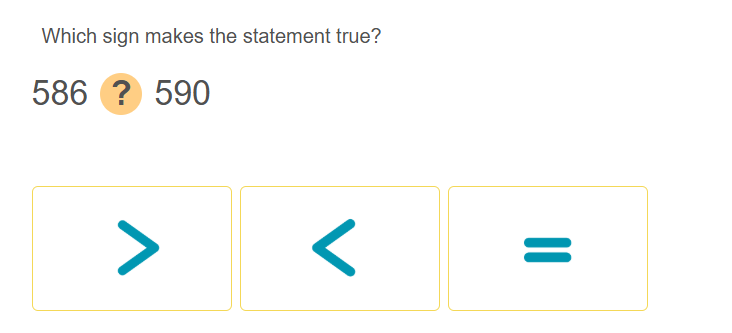
2. Compare numbers up to 1000
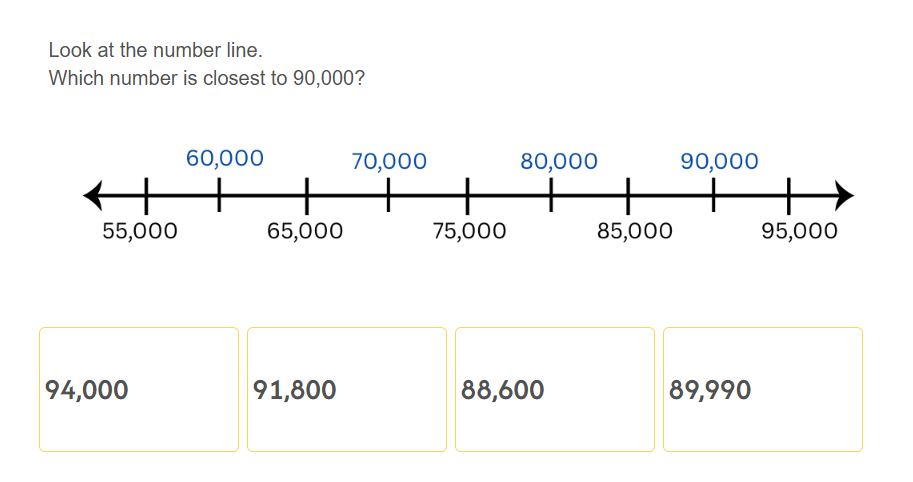
3. Use number lines up to 100,000
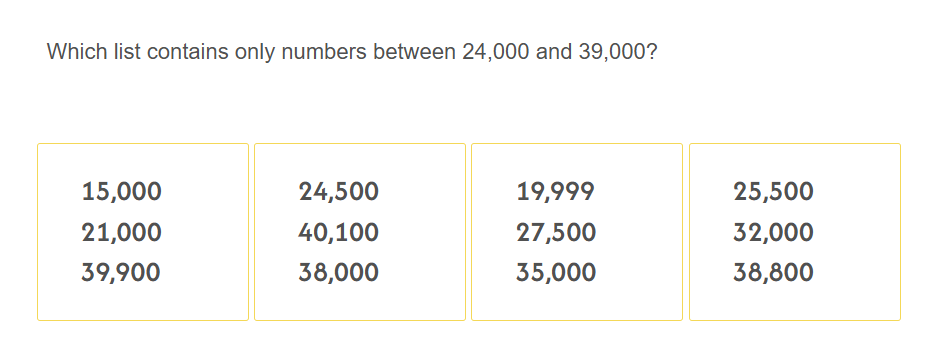
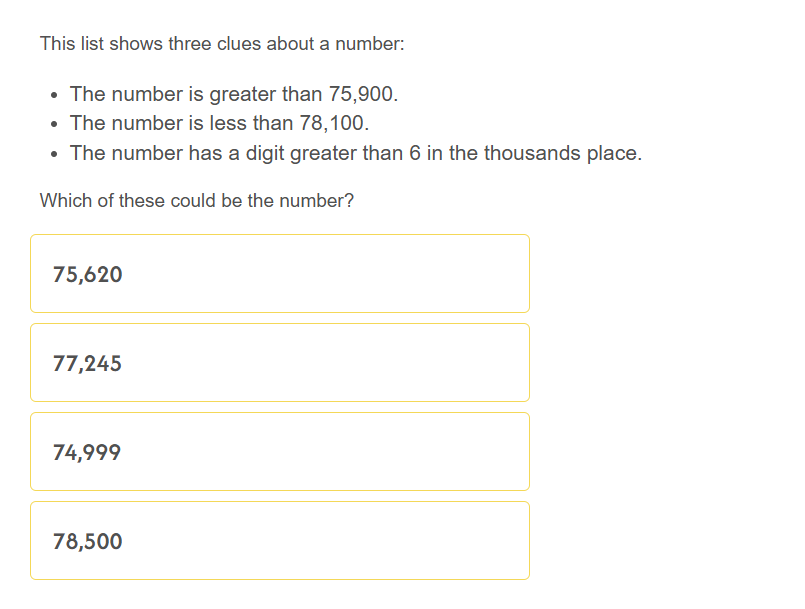
4. Compare numbers up to 100,000
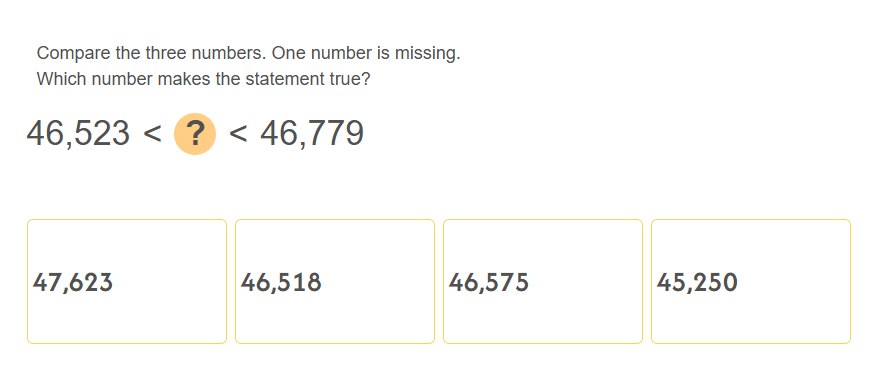
5. Compare three numbers
6. Compare numbers to 100,000: word problems
G. Addition with three digit numbers
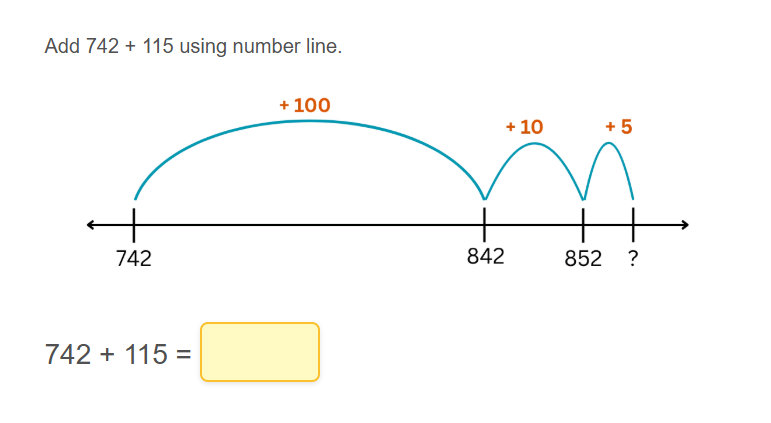
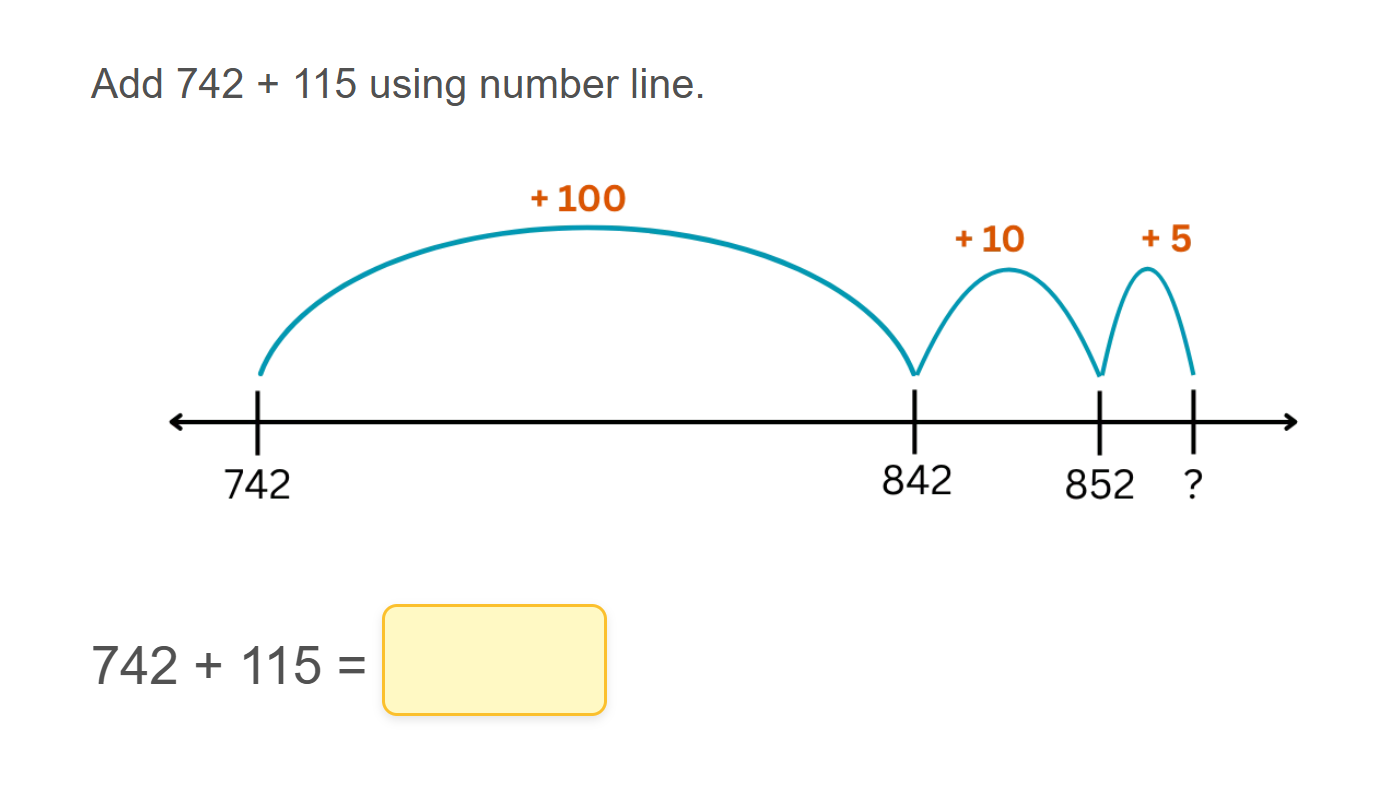
1. Use number lines to add 3 digit numbers
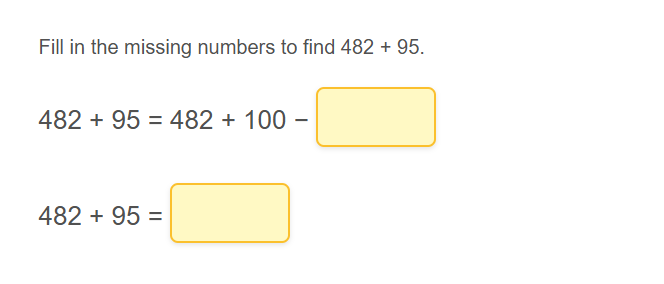
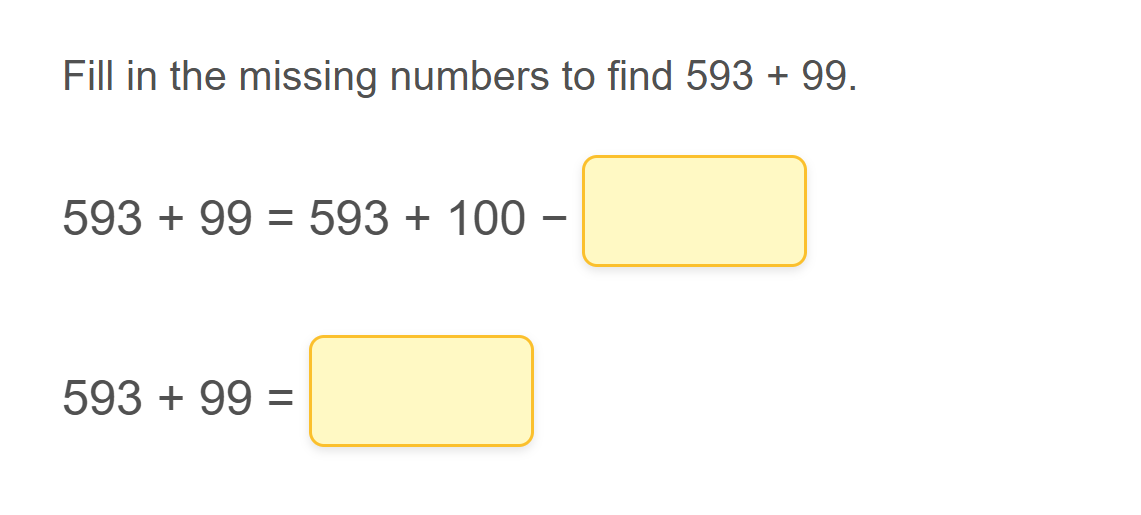
2. Use compensation to add 3 digit numbers
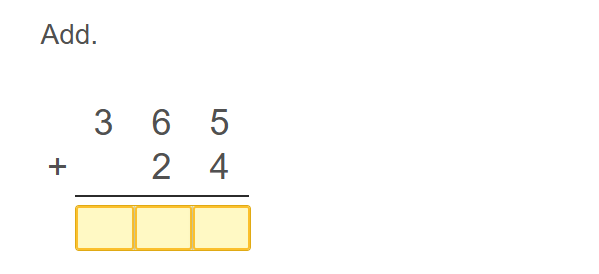
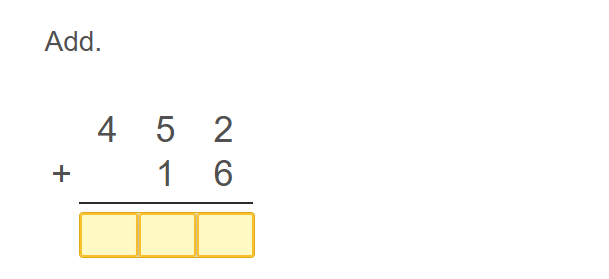
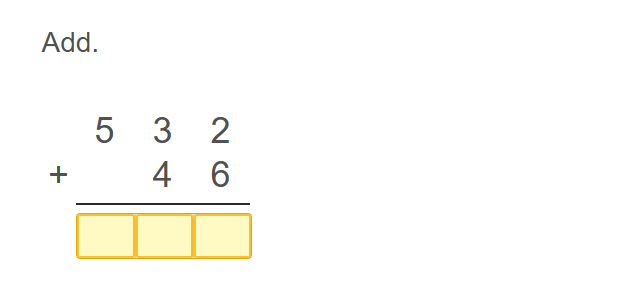
3. Add three-digit numbers
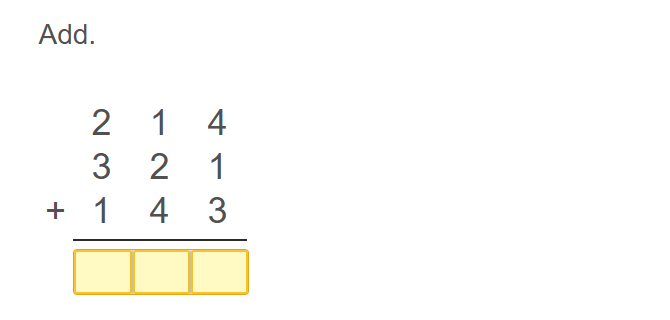
4. Add three-digit numbers with up to three addends
5. Add three-digit numbers with regrouping
6. Add three numbers up to three digits
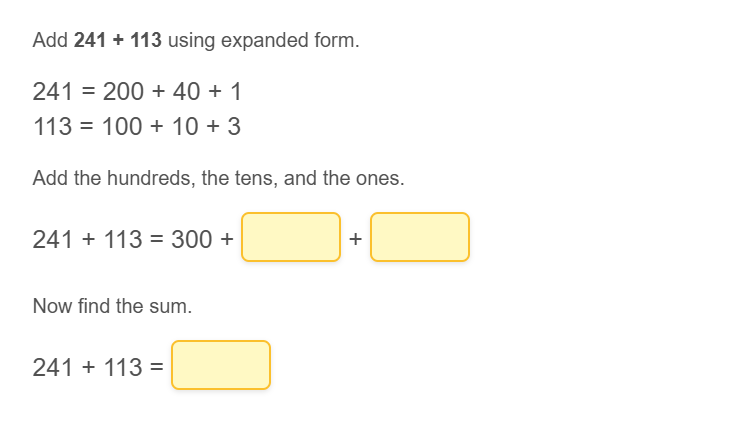
7. Use expanded form to add three-digit numbers
8. Add multiples of 10 to whole numbers
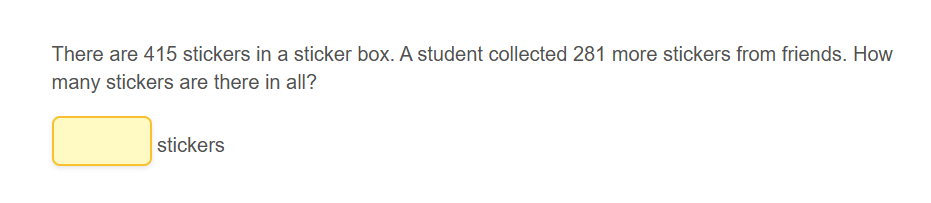
9. Add two numbers up to three digits: word problems
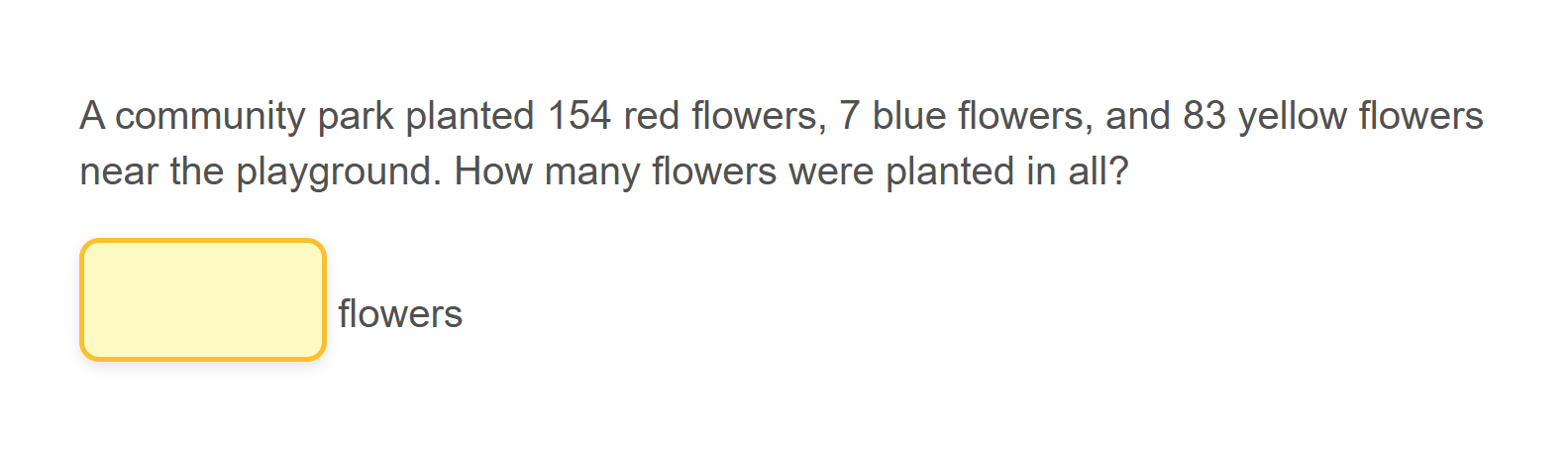
10. Add three numbers up to three digits: word problems
11. Solve addition equations
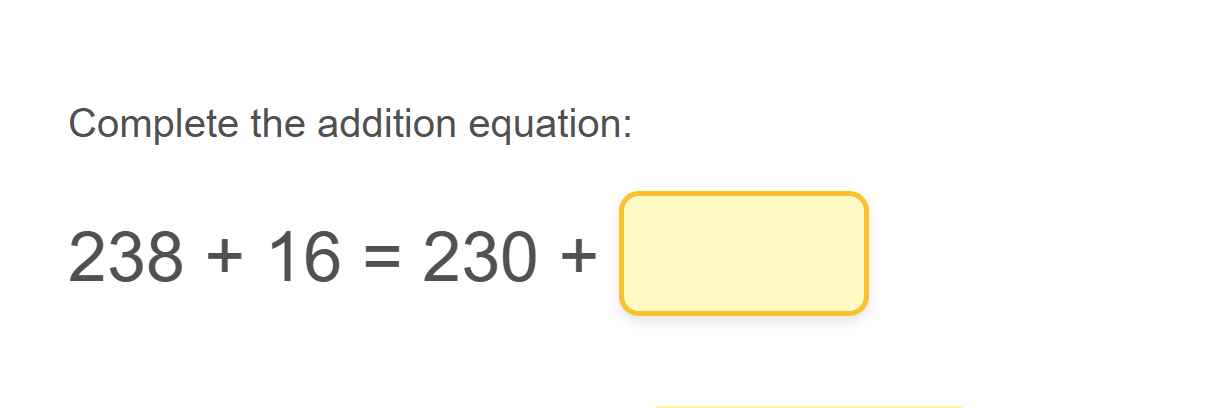
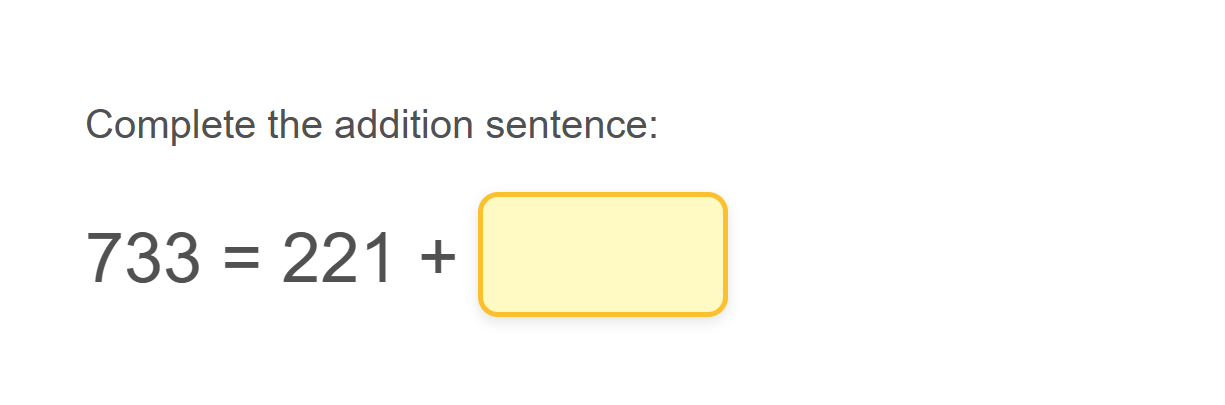
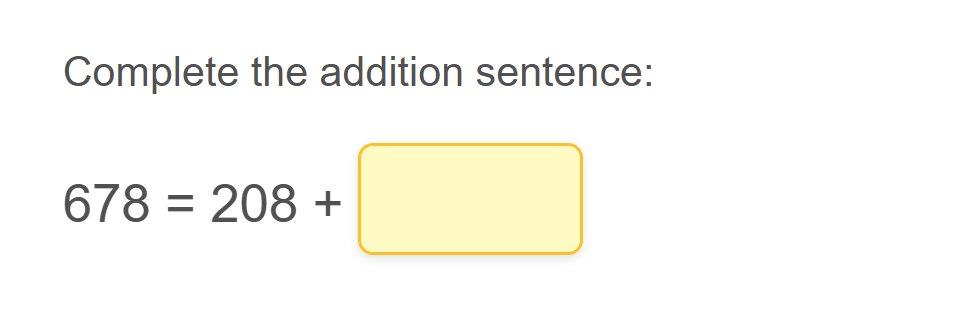
12. Complete addition sentences
H. Subtraction with three digit numbers
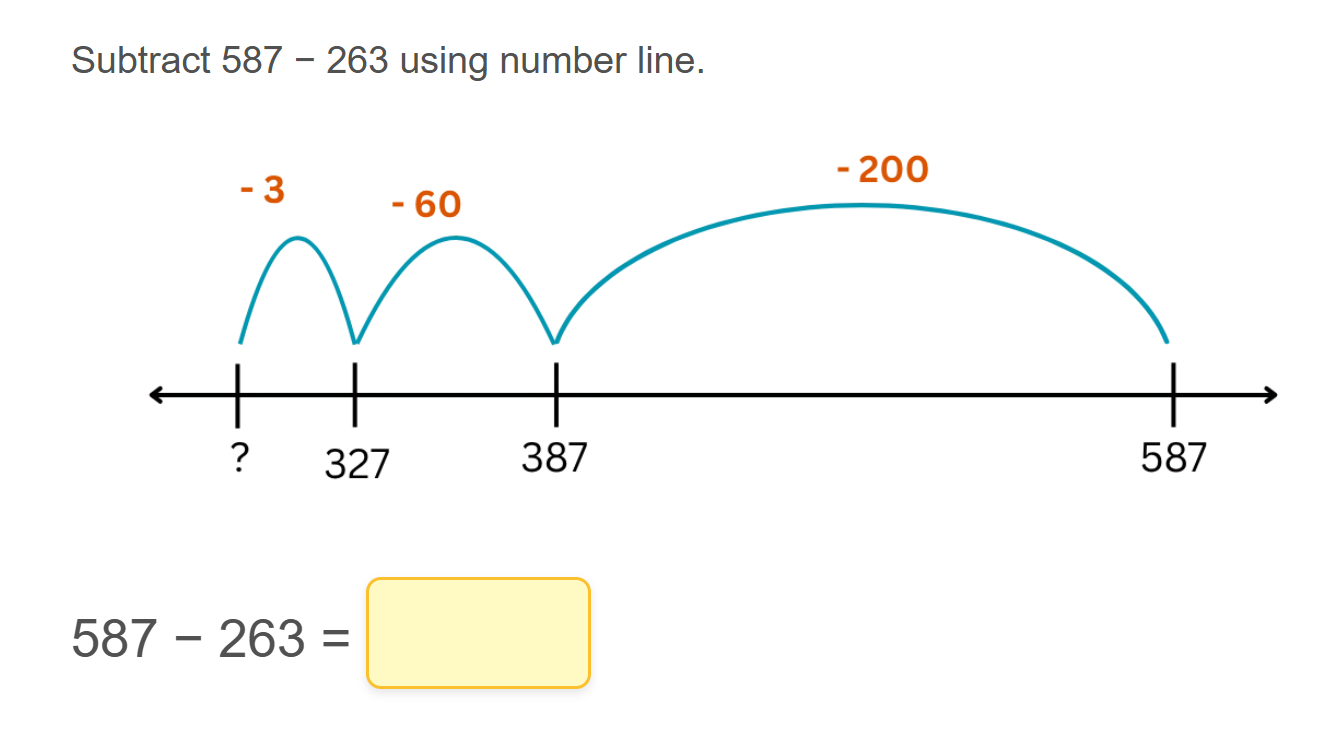
1. Use number lines to subtract three-digit numbers
2. Use compensation to subtract three-digit numbers
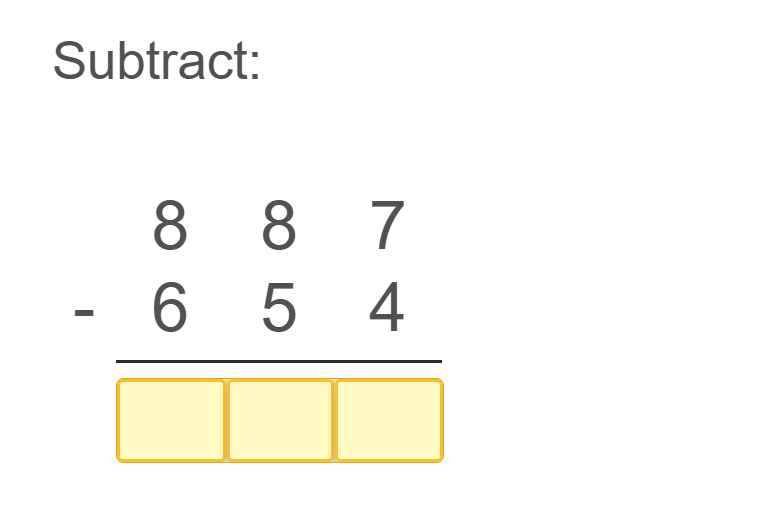
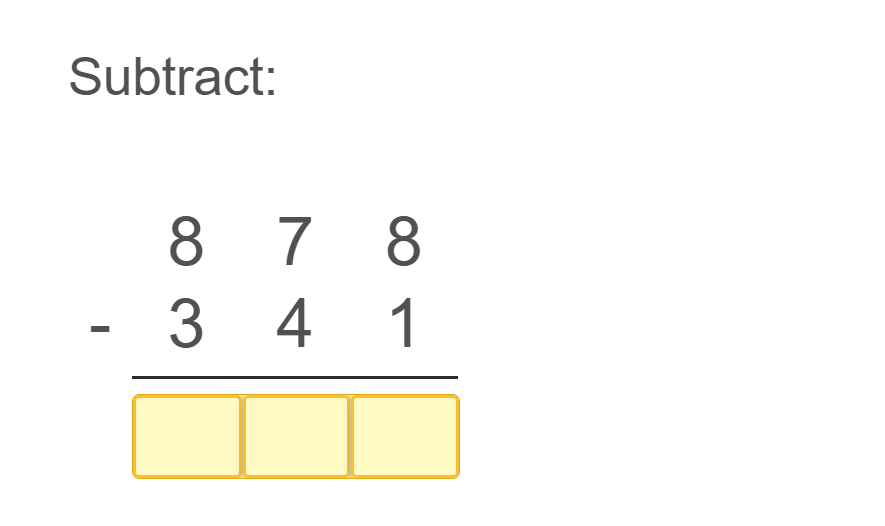
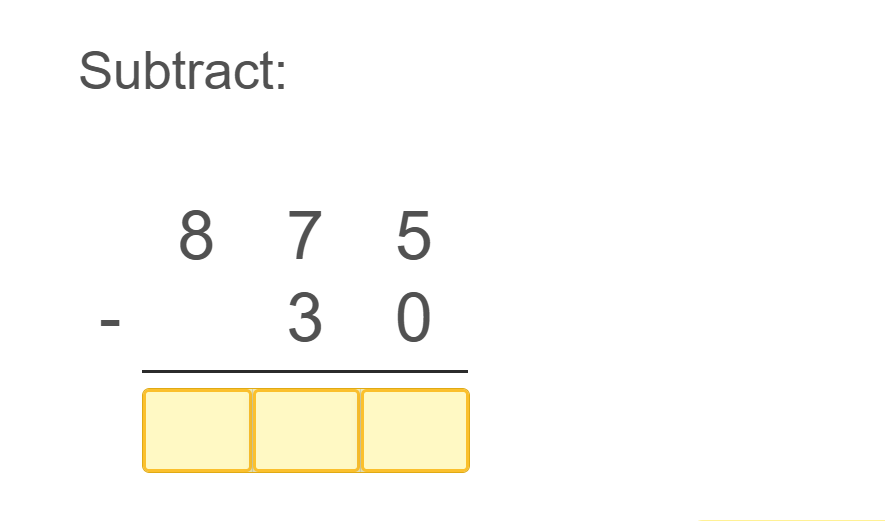
3. Subtract three-digit numbers without regrouping
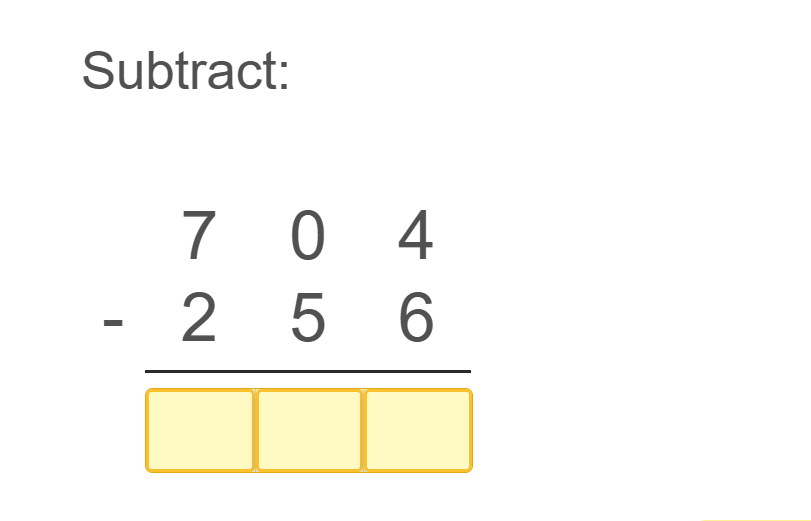
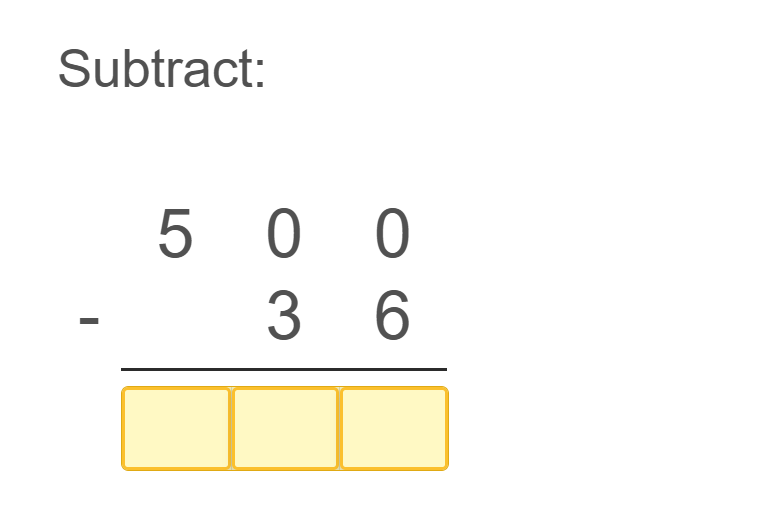
4. Subtract three-digit numbers with regrouping
5. Subtract three numbers up to three digits with regrouping
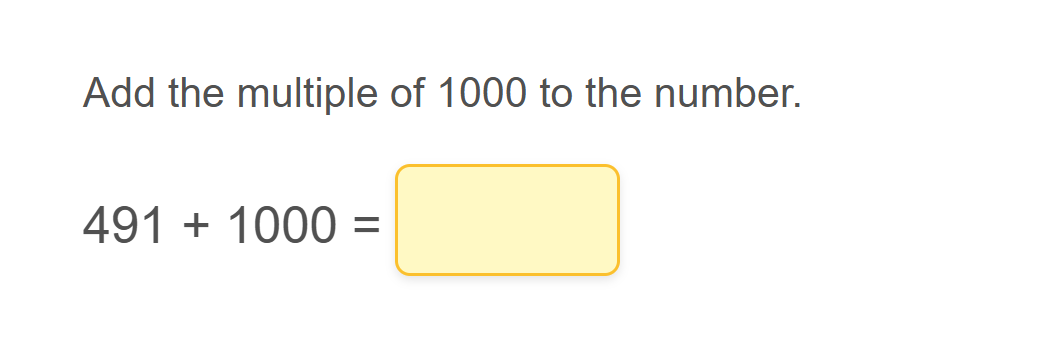
6. Subtract multiples of 100
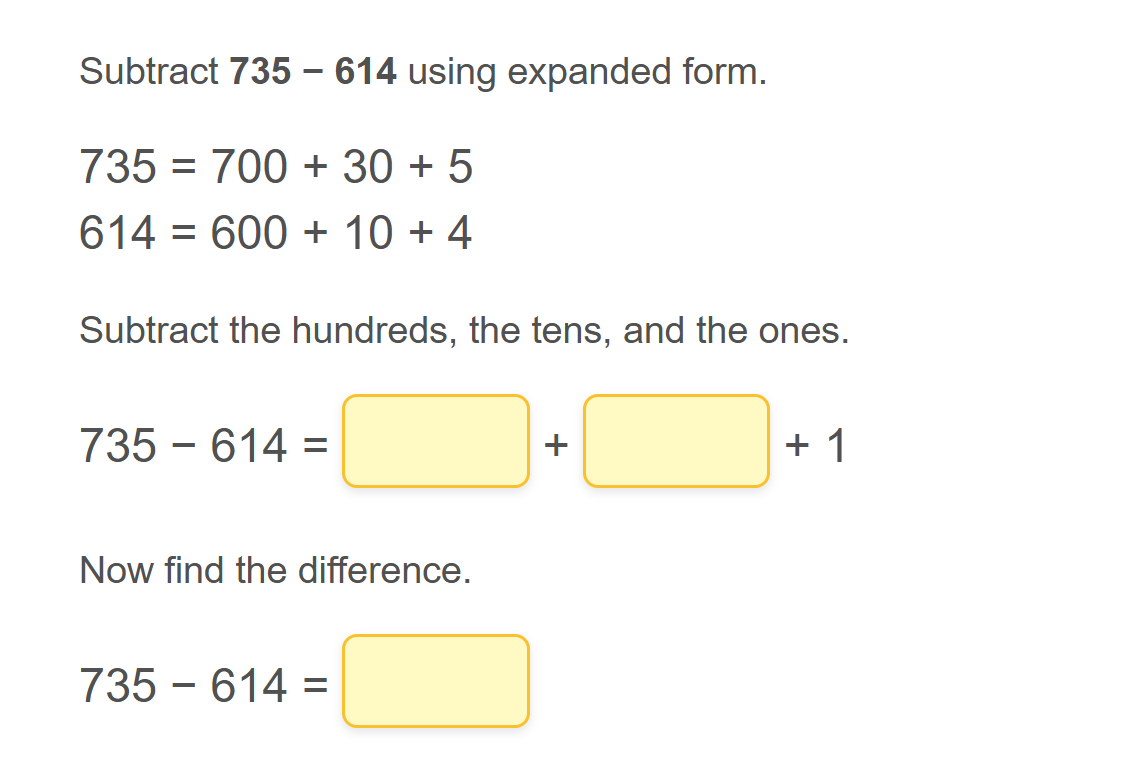
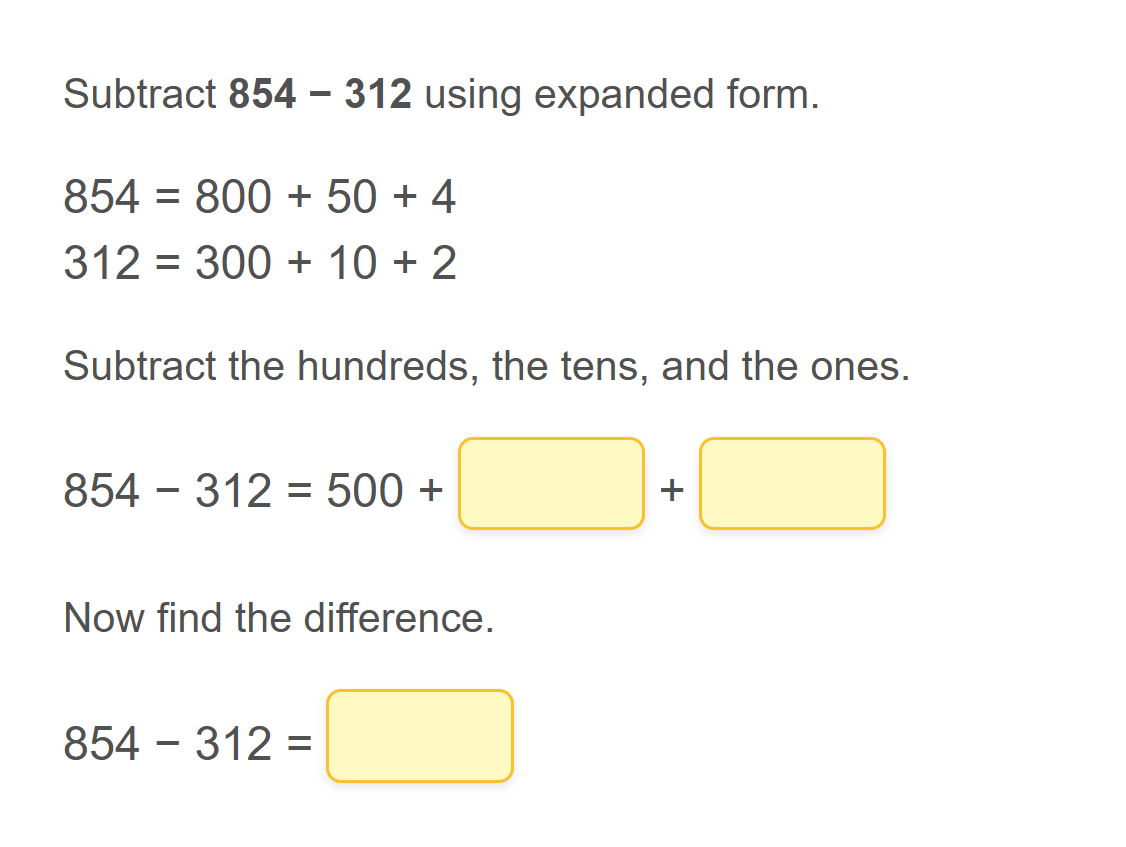
7. Use expanded form to subtract three-digit numbers
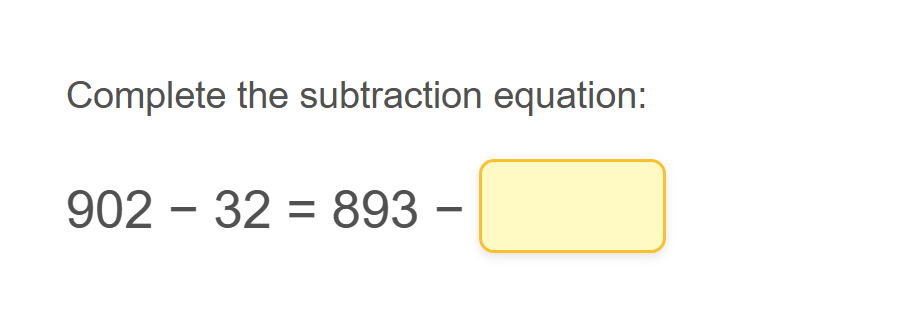
8. Solve subtraction equations
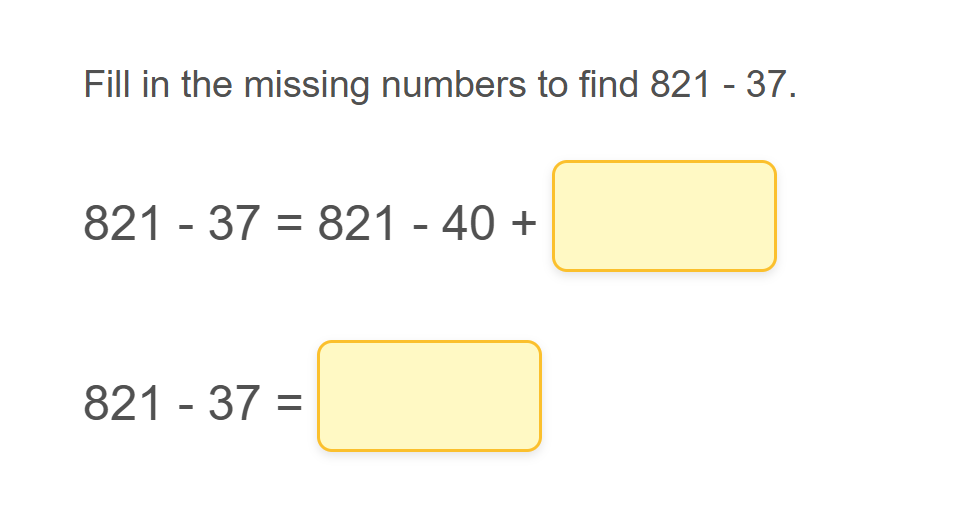
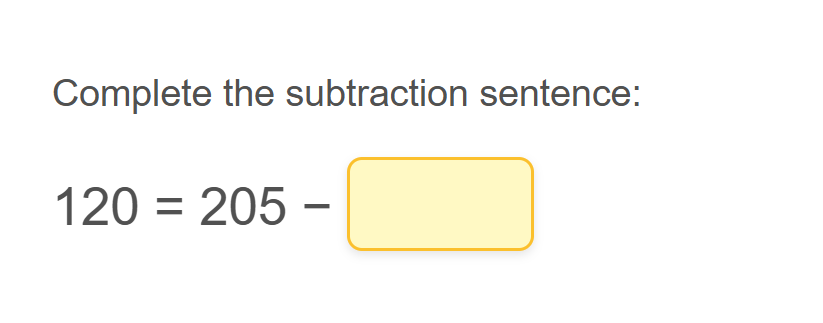
9. Complete subtraction sentences
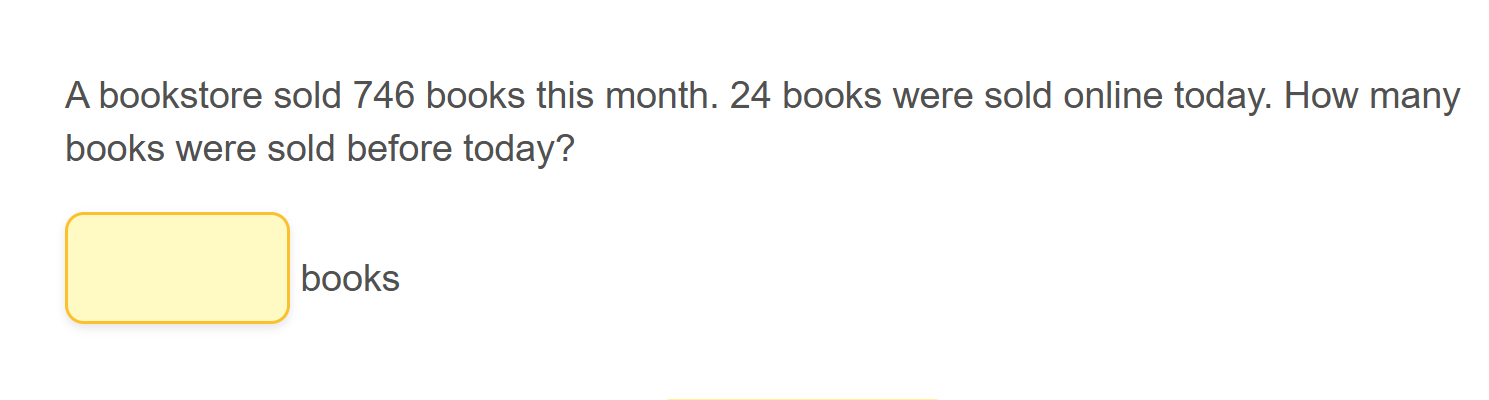
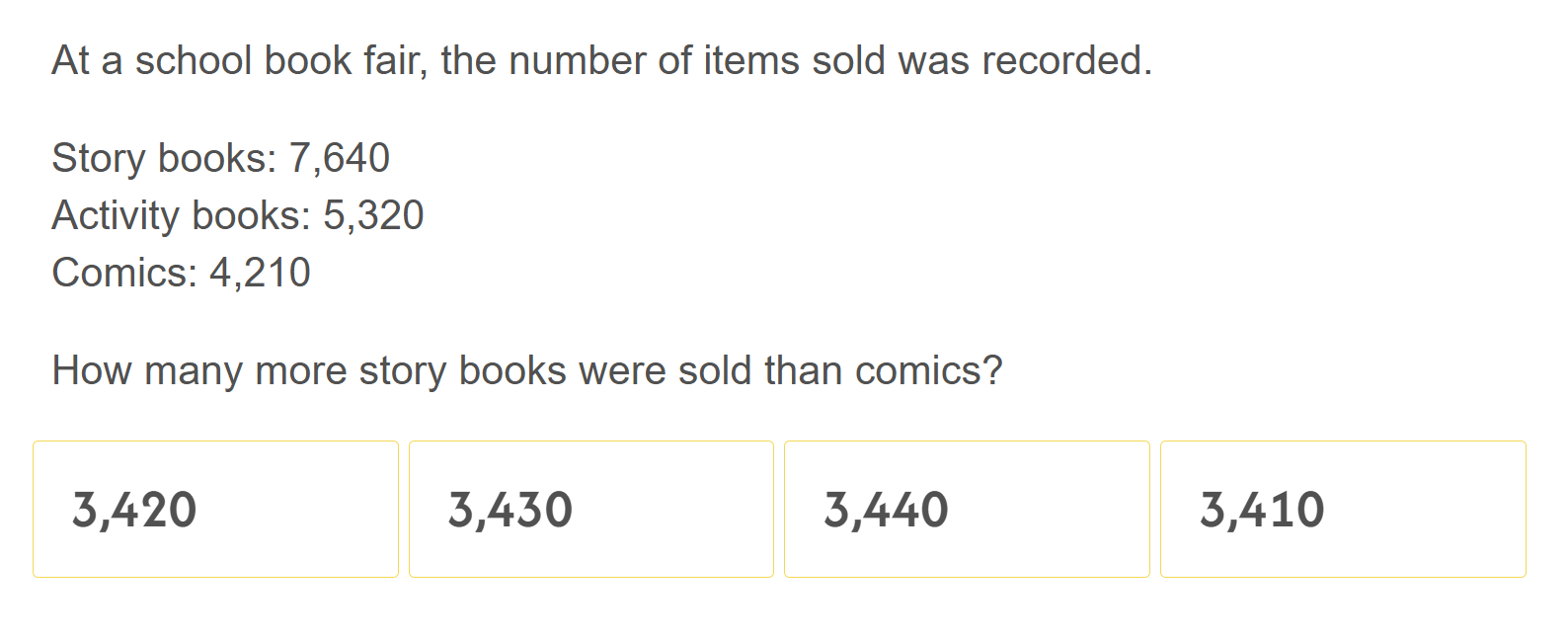
10. Subtract three numbers up to three digits word problems
I. Addition and Subtraction: four or five digits
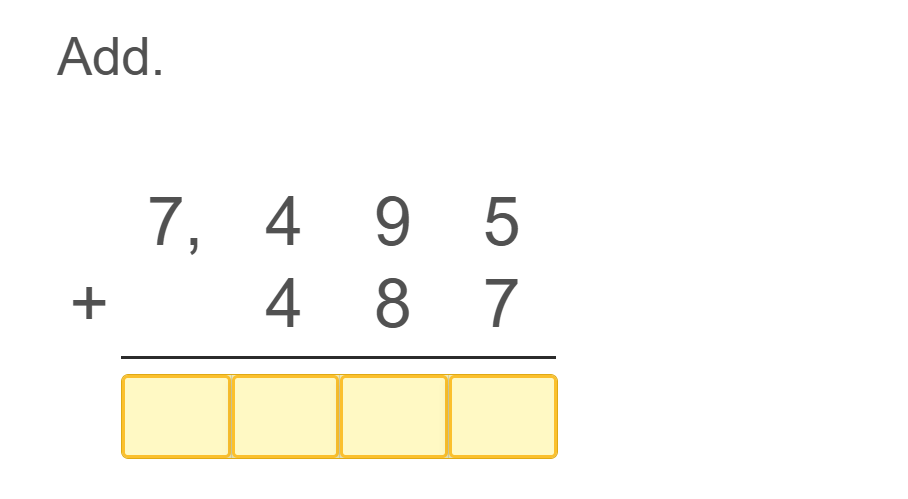
1. Add two 4-digit numbers
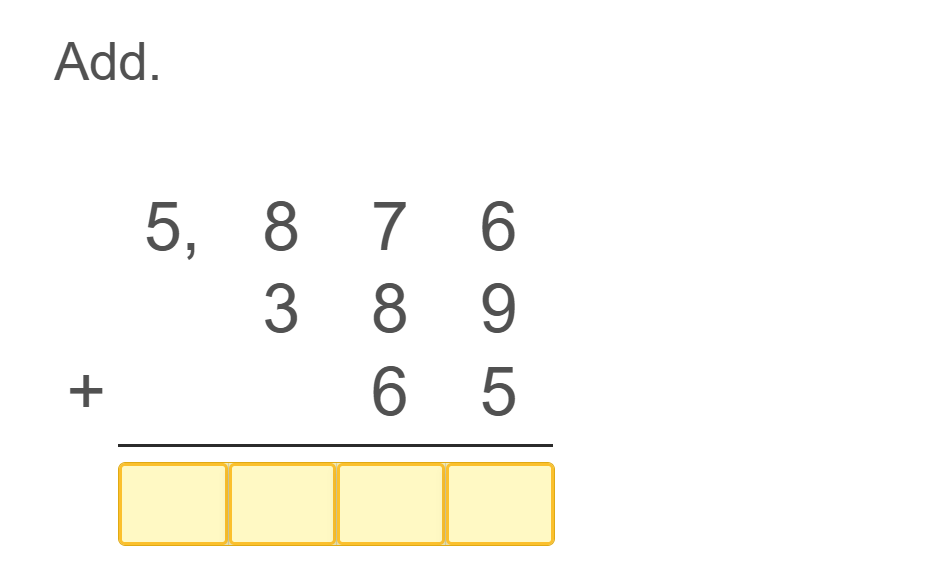
2. Add three numbers up to 4 digits
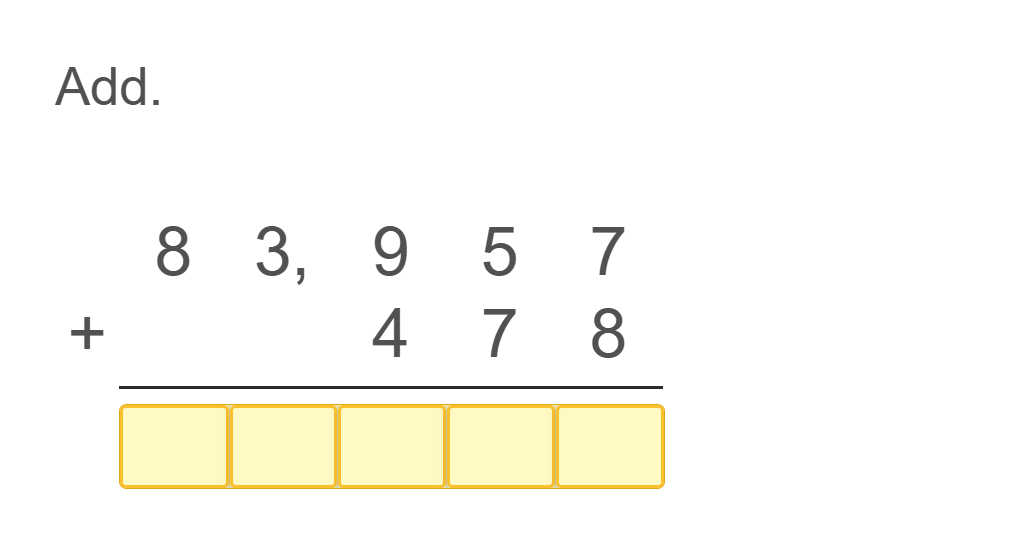
3. Add two numbers up to 5 digits
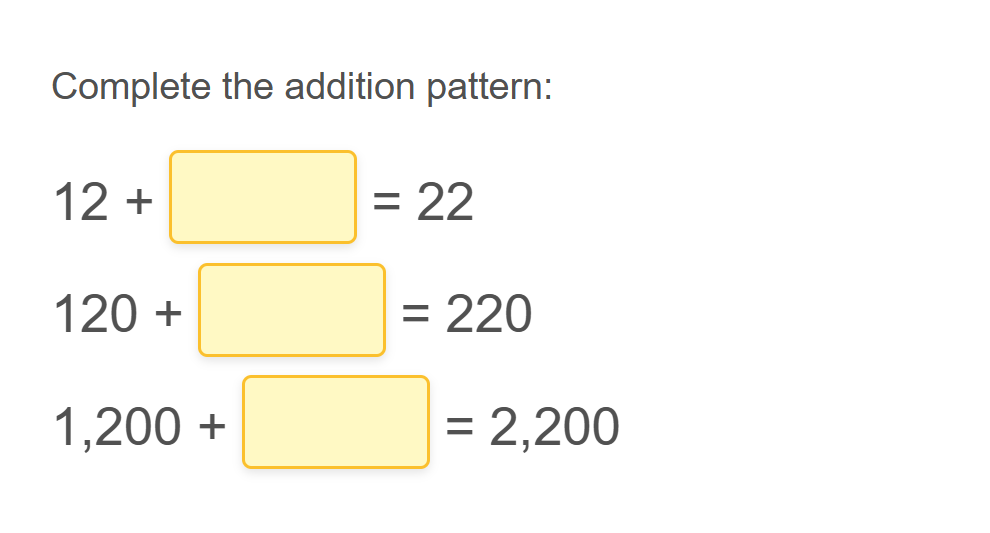
4. Identify addition patterns with place values
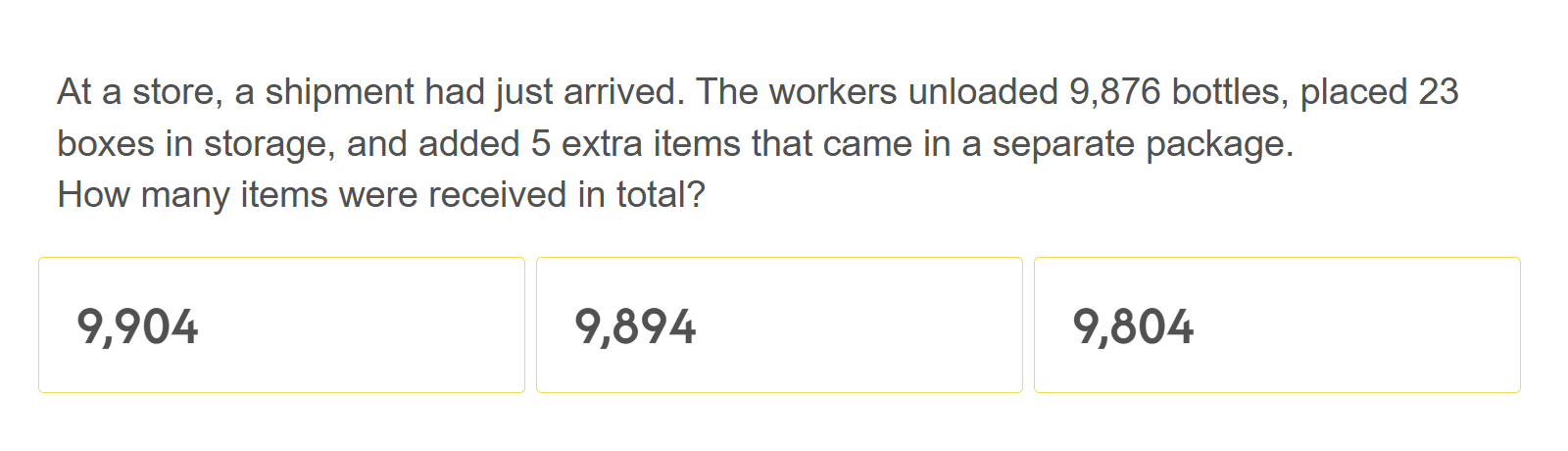
5. Addition word problems with 4-digit and 5-digit numbers
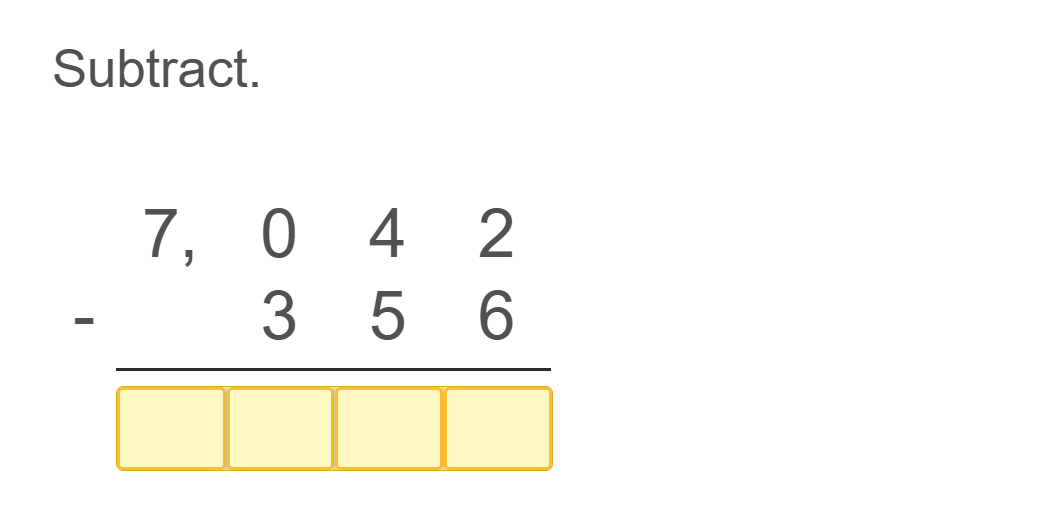
6. Subtract 4-digit numbers
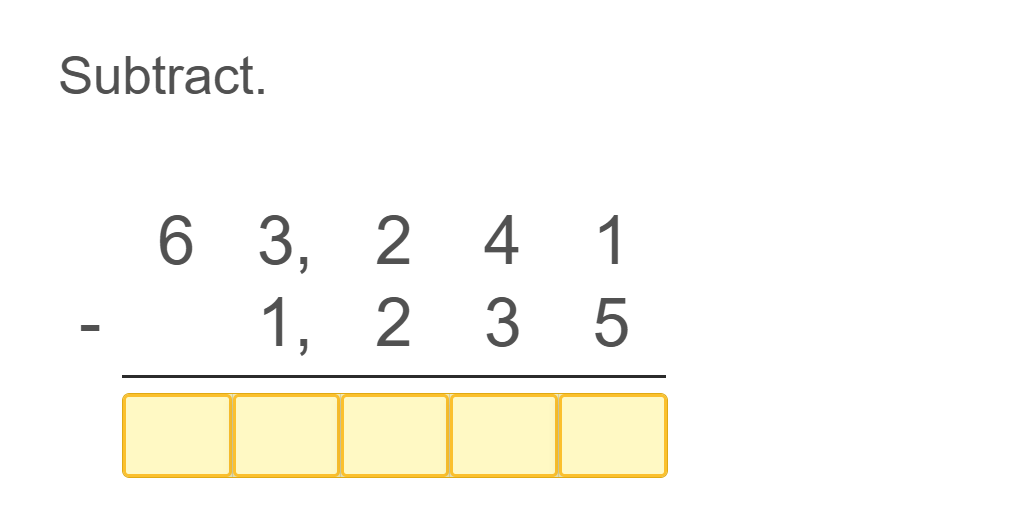
7. Subtract 5-digit numbers
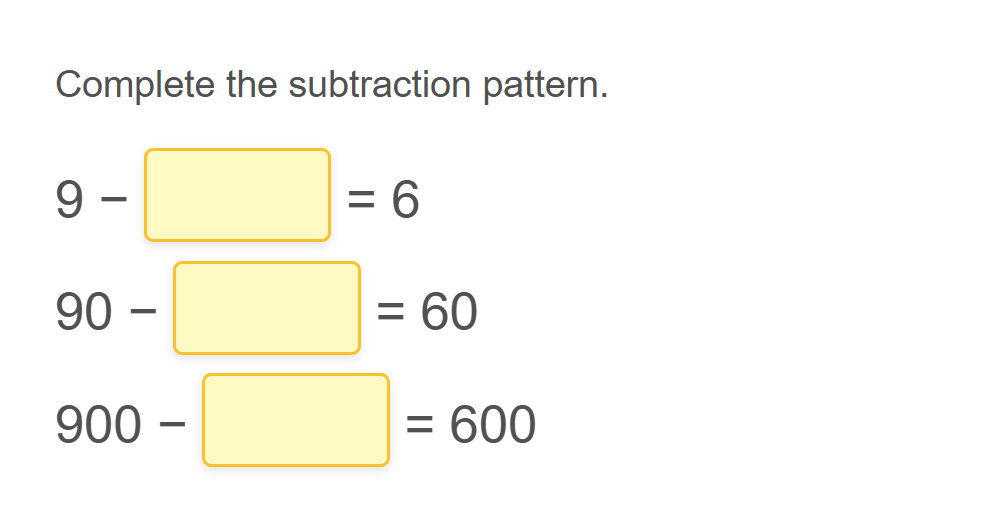
8. Identify subtraction patterns with place value
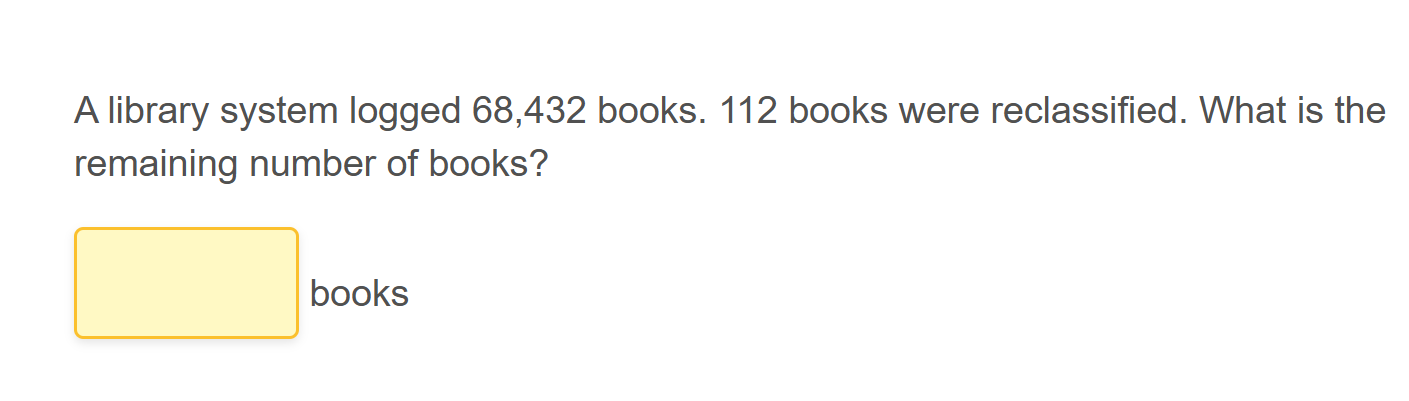
9. Subtraction word problems with 4-digit and 5-digit numbers
U. Mixed operations: addition and subtraction
1. Use number lines to add and subtract three-digit numbers
2. Use compensation to add or subtract: up to three digits
3. Add and subtract three-digit numbers
4. Use expanded form to add or subtract three-digit numbers
5. Add or subtract multiples of 100
6. Complete addition or subtraction sentences
7. Addition and subtraction word problems: up to three digits
8. Add and subtract data from tables
J. Mutiplication properties
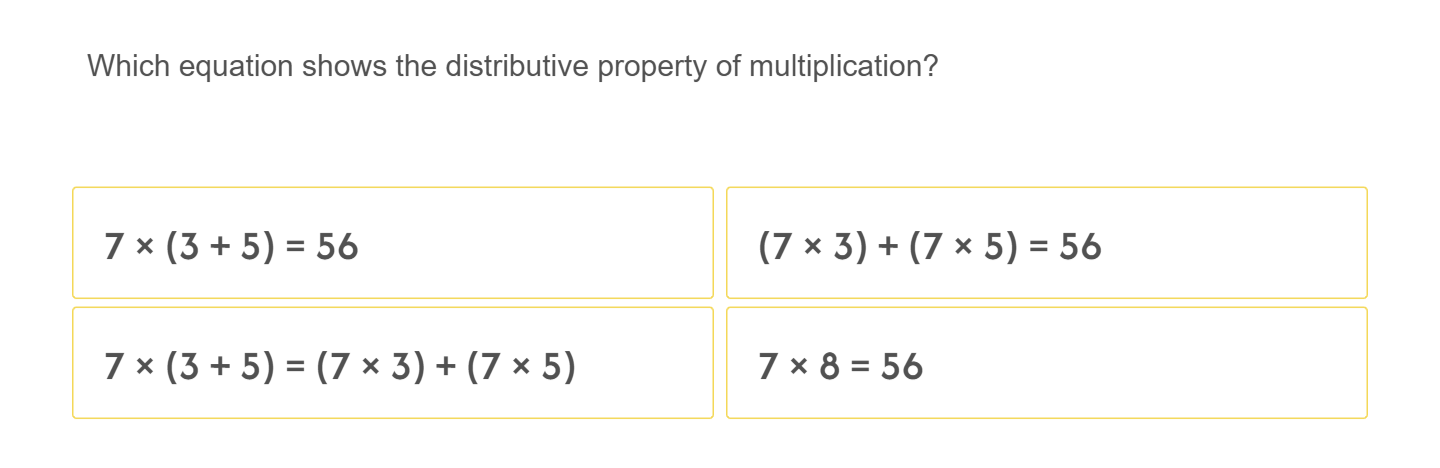
1. Identify properties of multiplication
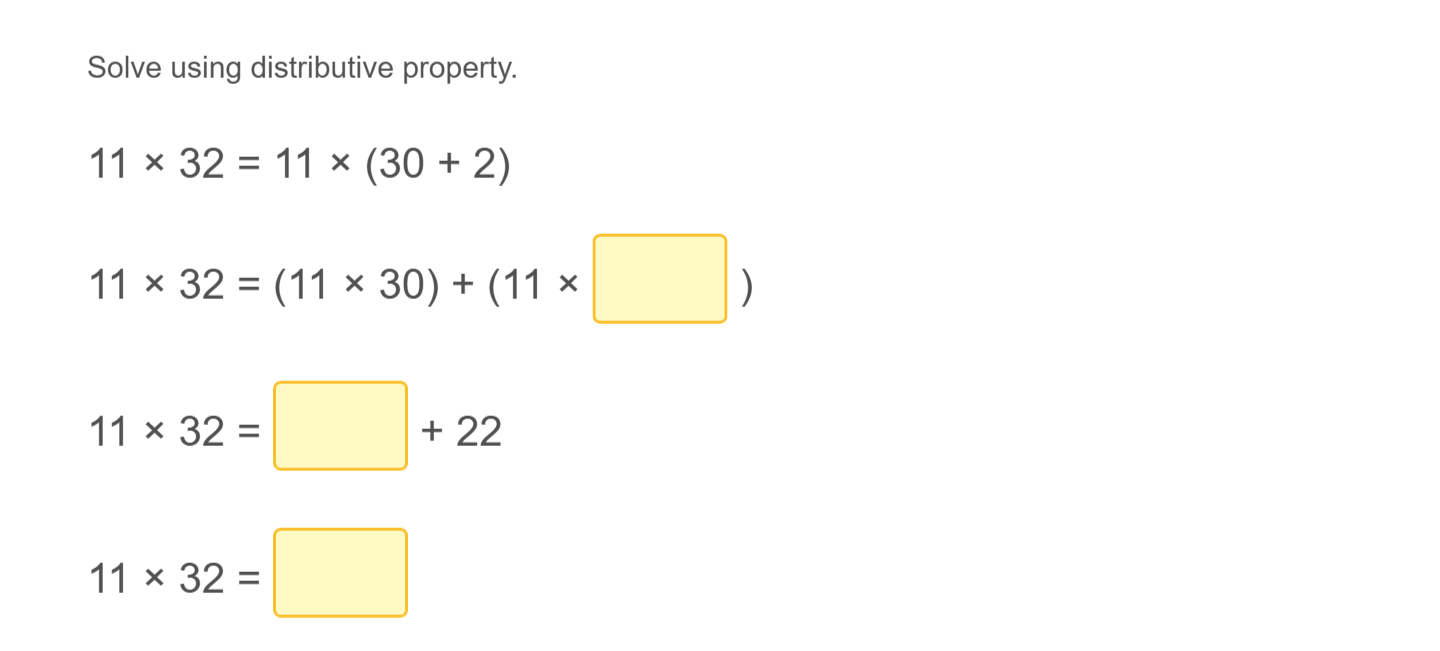
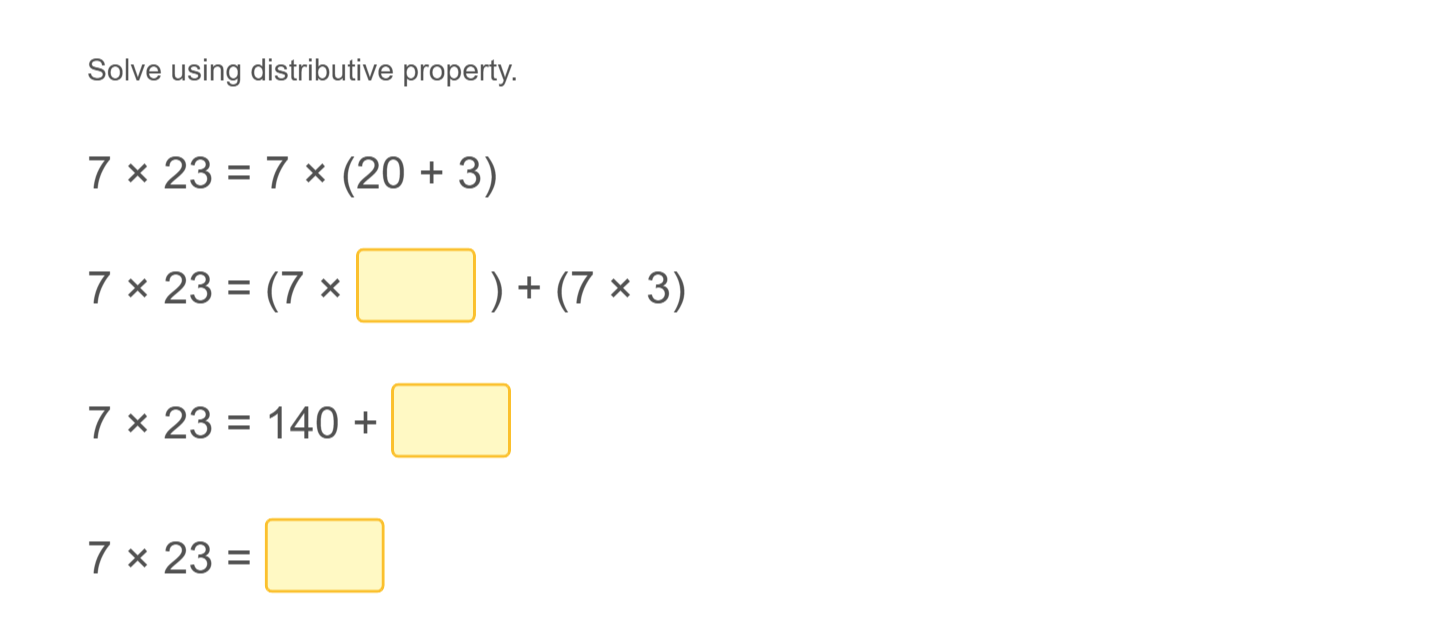
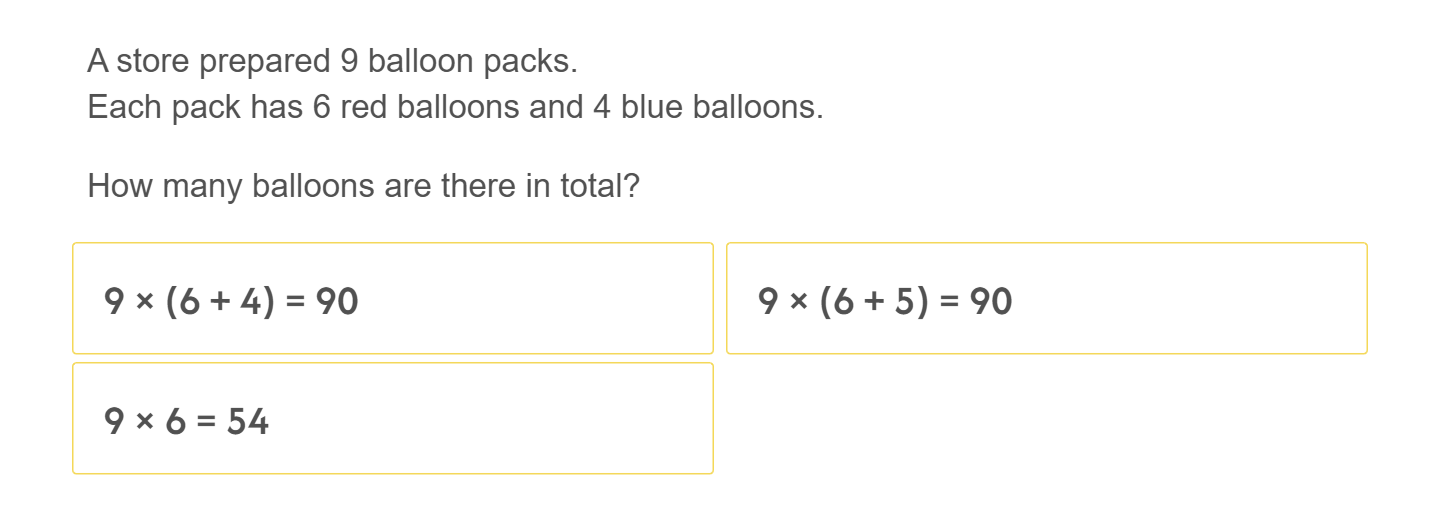
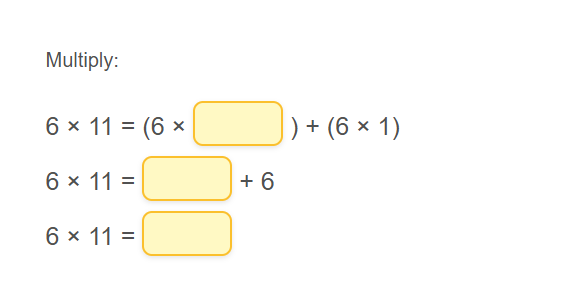
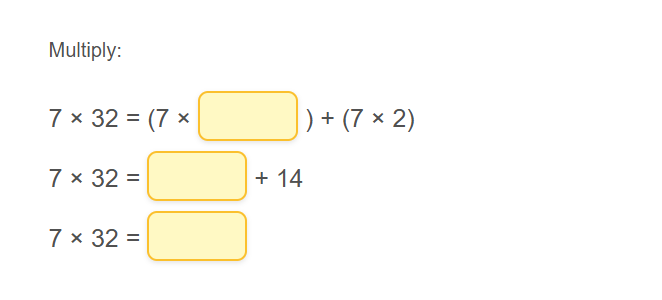
2. Use the distributive property to complete multiplication sentences
3. Use the distributive property to solve multiplication sentences
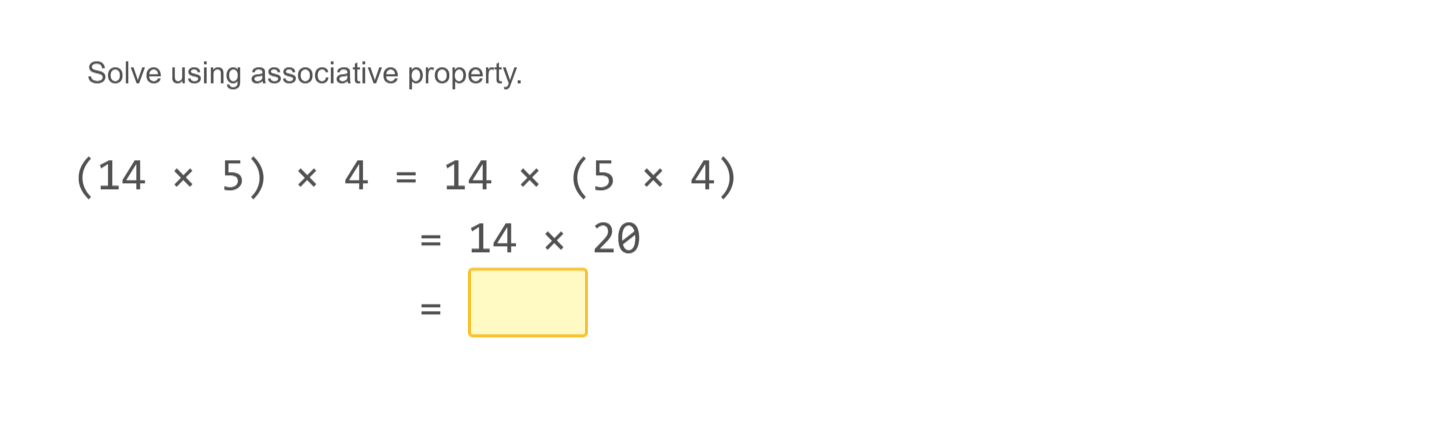
4. Use the associative property to solve multiplication sentences
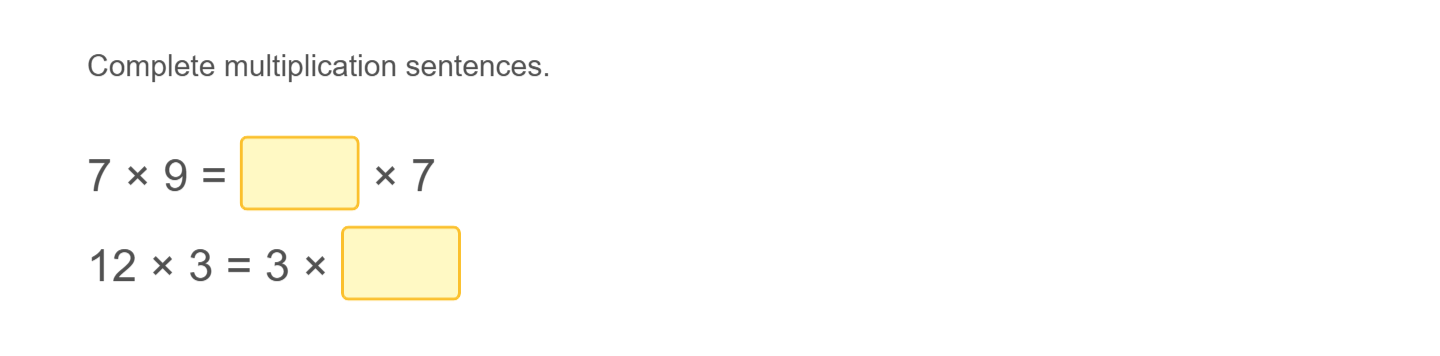
5. Complete multiplication sentences: commutative, zero and identity properties
6. Solve multiplication sentences
7. Multiplication properties word problems
K . Build division basics
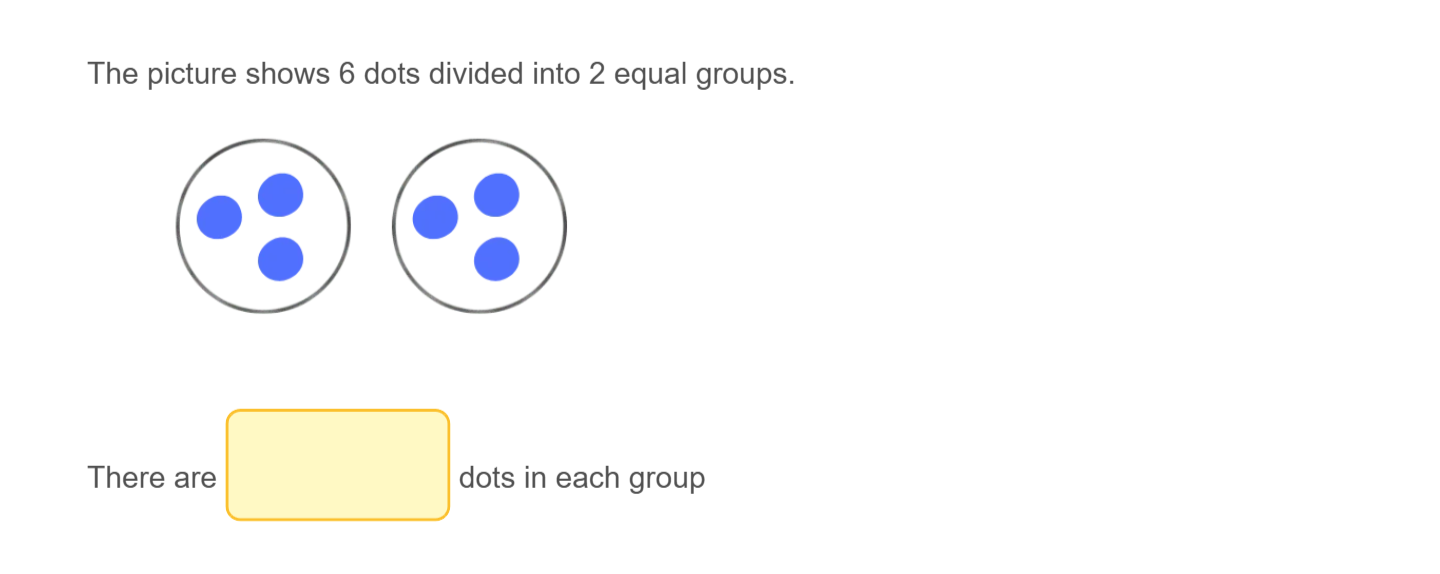
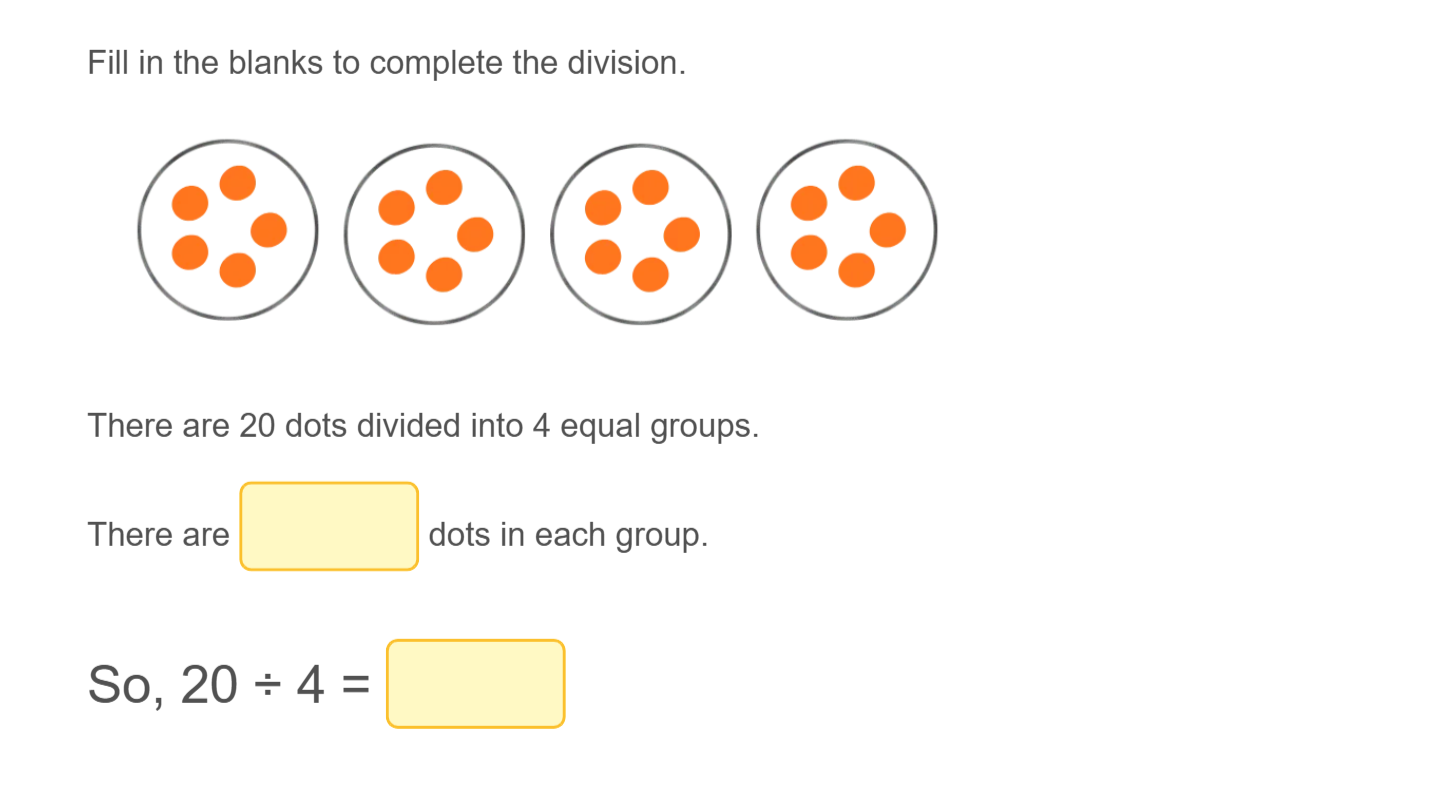
1. Divide into equal groups
2. Write division sentences for equal groups
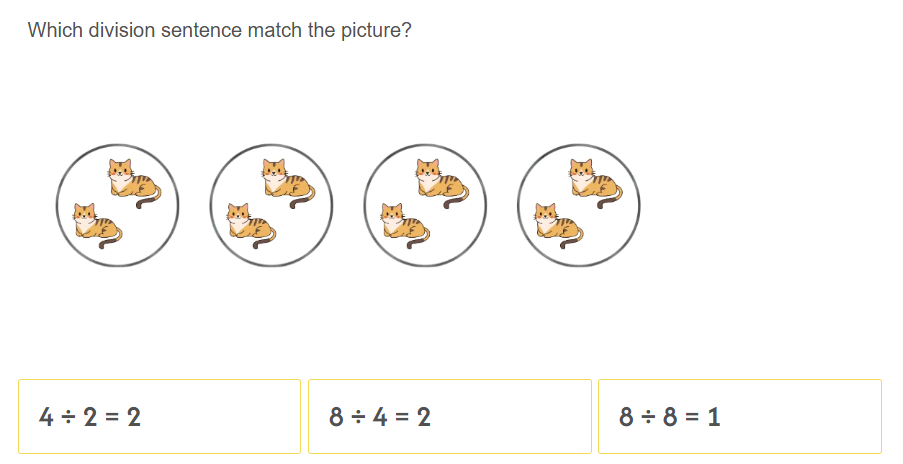
3. Choose the correct division sentences
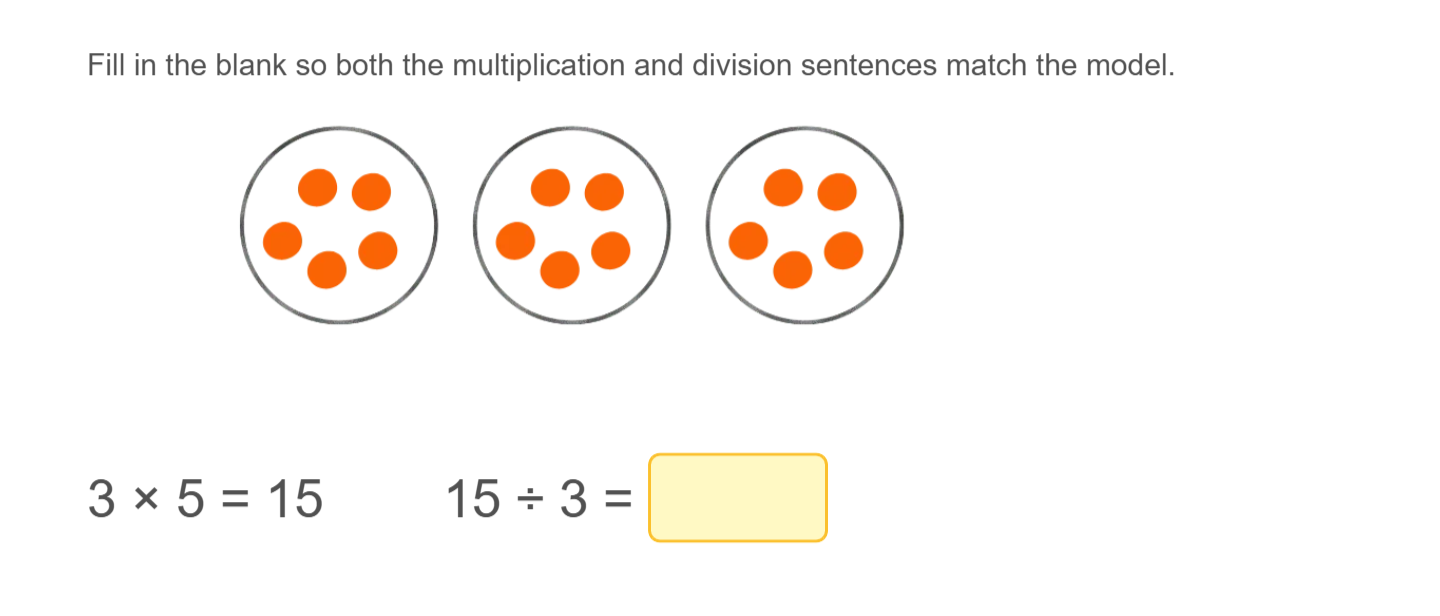
4. Relate multiplication and division for equal groups
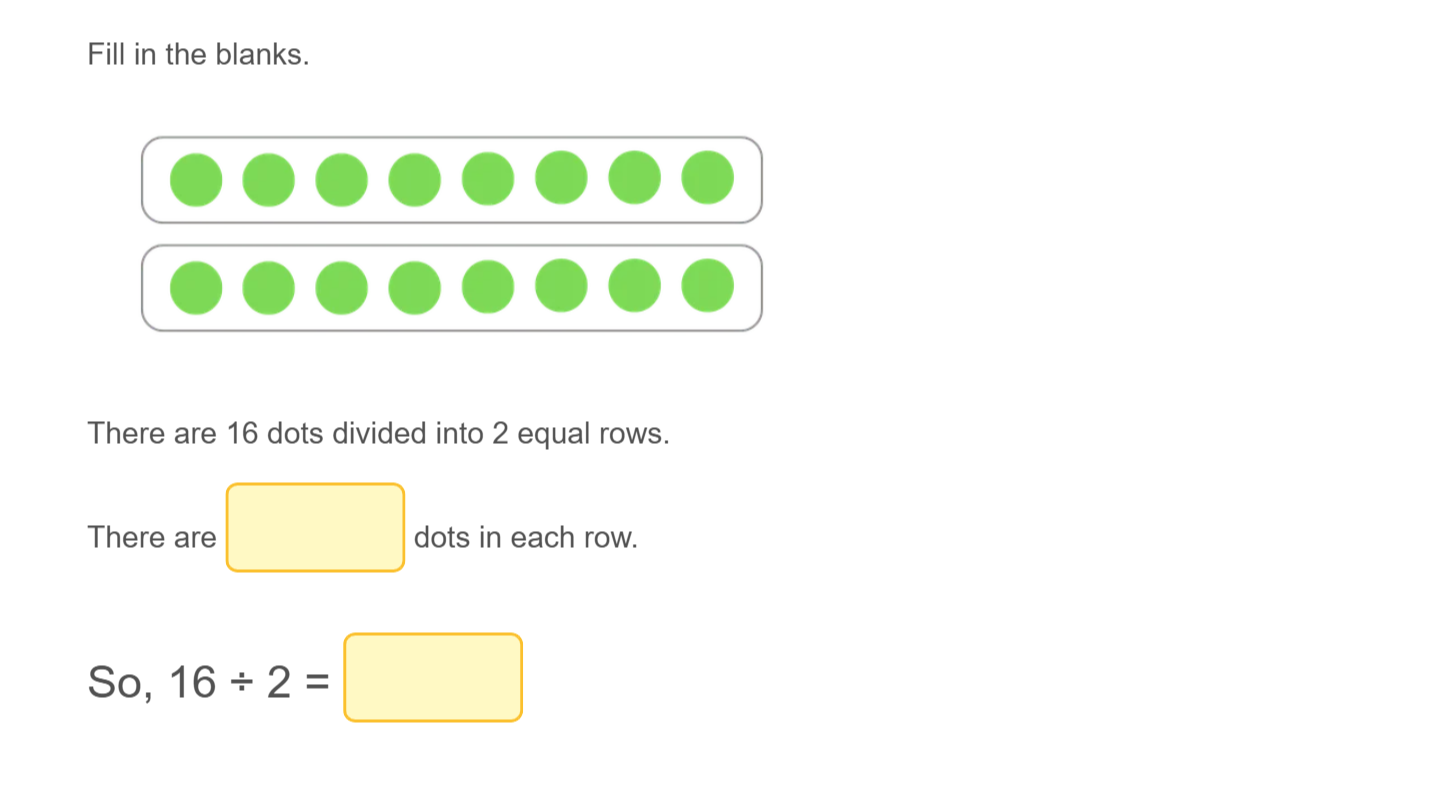
5. Complete division sentences for arrays
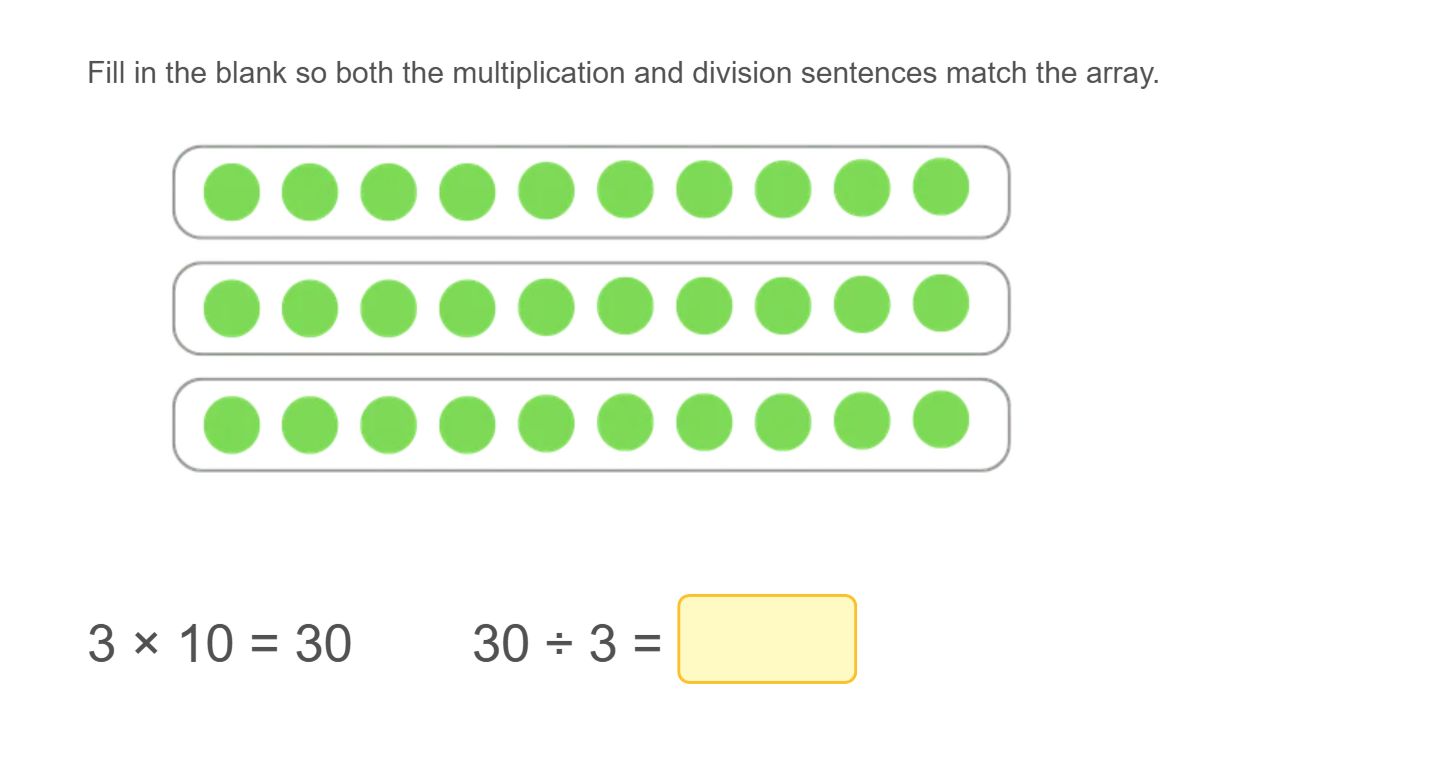
6. Relate multiplication and division for arrays
7. Relate multiplication and division
L. Division skill builders up to 12
1. Divide by 1
2. Divide by 2
3. Divide by 3
4. Divide by 4
5. Divide by 5
6. Divide by 6
7. Divide by 7
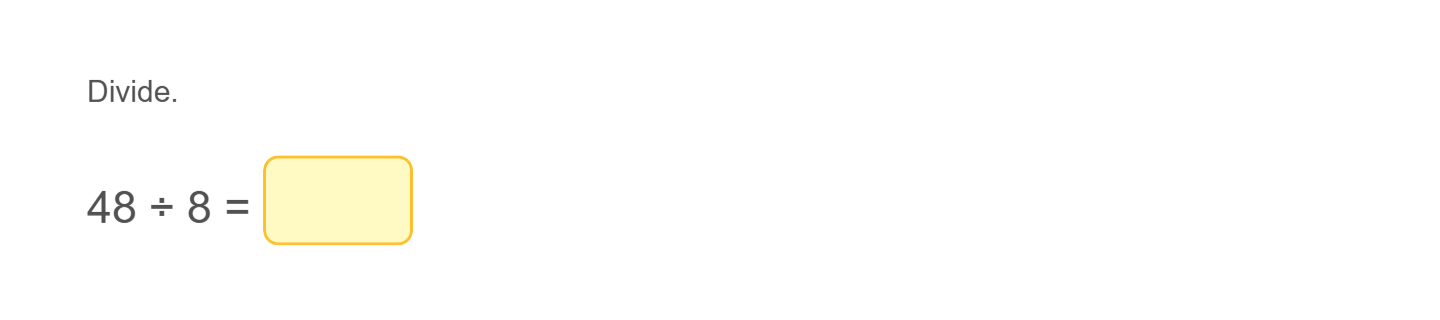
8. Divide by 8
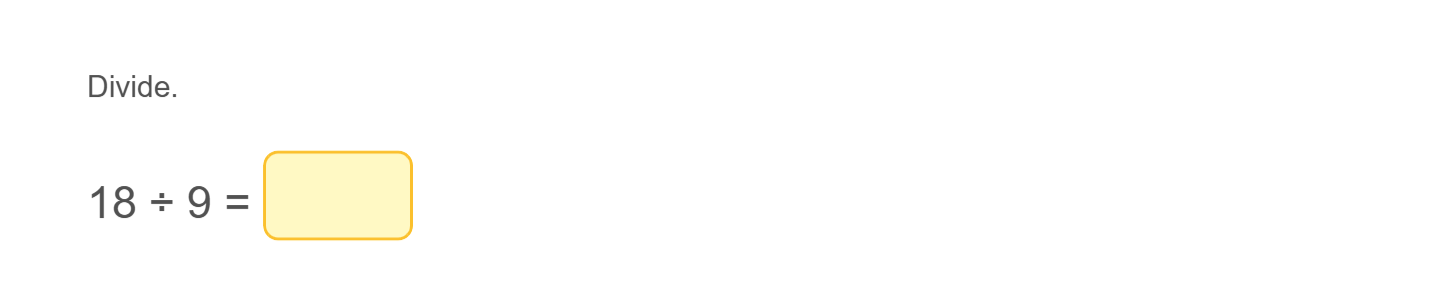
9. Divide by 9
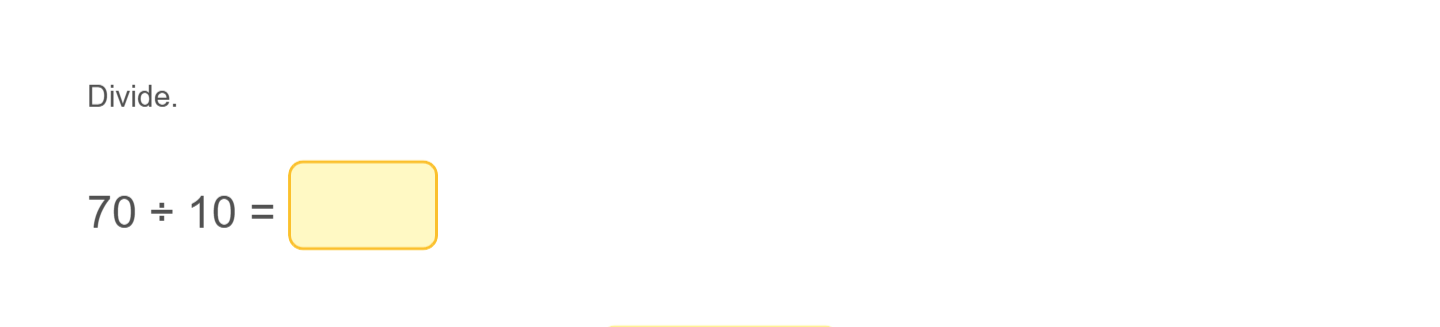
10. Divide by 10
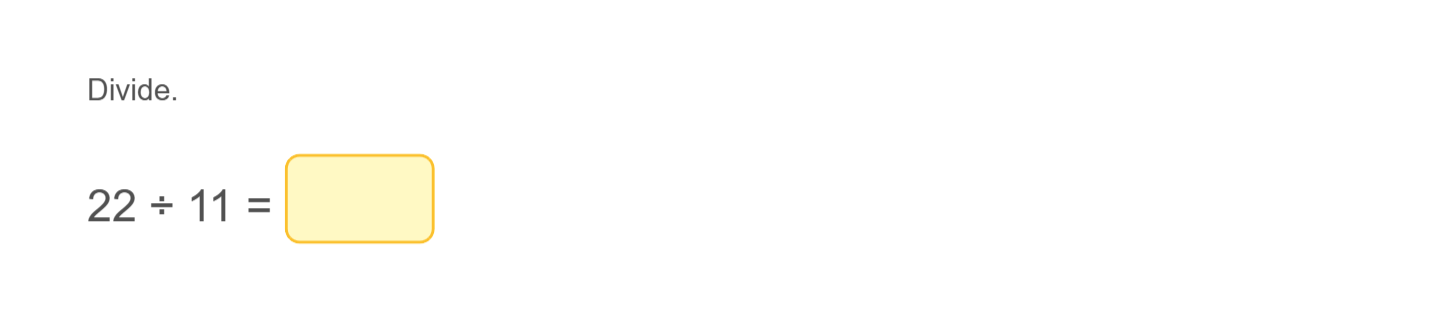
11. Divide by 11
12. Divide by 12
M. Division fluency up to 12
1. Division facts for 1 and 2
2. Division facts for 3 and 4
3. Division facts for 5 and 6
4. Division facts for 7 and 8
5. Division facts for 9 and 10
6. Division facts for 11 and 12
7. Division facts for 2, 3 and 4
8. Division facts for 5, 6 and 7
9. Division facts for 8, 9 and 10
10. Division facts for 11 and 12
11. Division facts up to 12
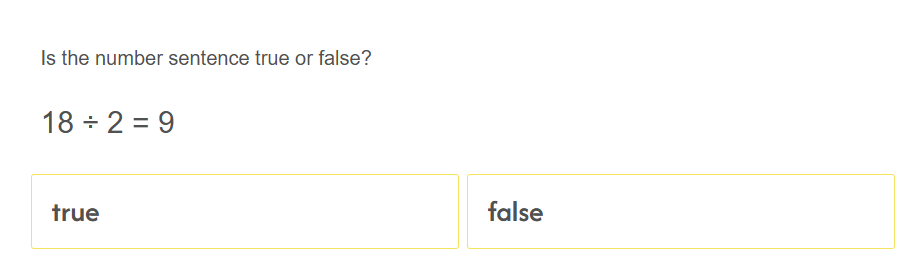
12. Division facts up to 5 - true or false
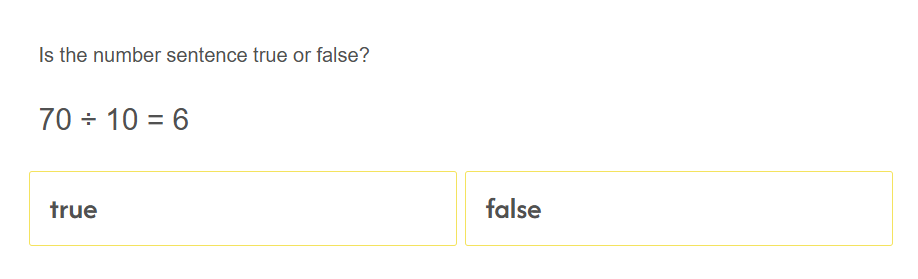
13. Division facts for 6 to 10 - true or false
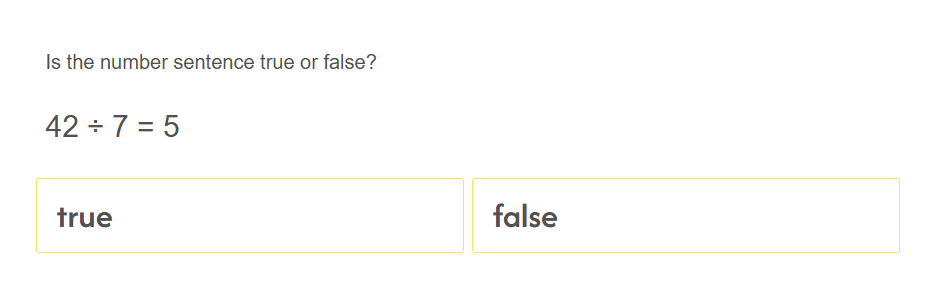
14. Division facts up to 10 - true or false
N.Two-digit multiplication
1. Multiply teen numbers using distributive property
2. Multiply 1 and 2-digit numbers
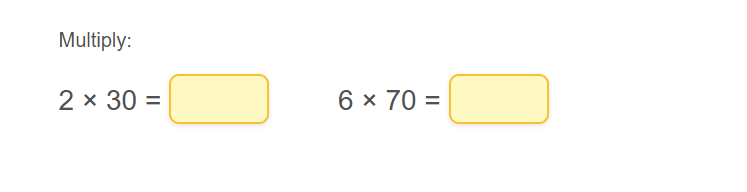
3. Multiply by multiples of 10
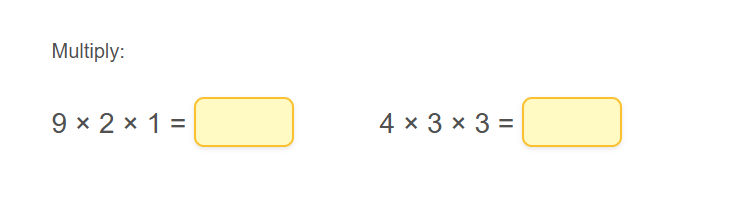
4. Multiply 3 numbers
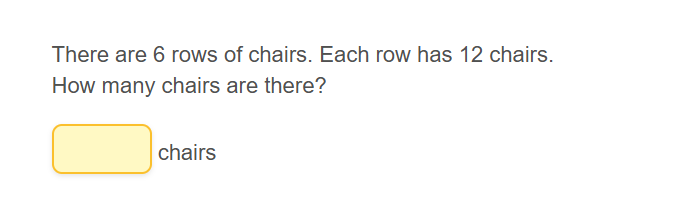
5. Multiply two numbers: word problems
6. Multiply three numbers: word problems
0. Mixed operations: multiplication and division
1. Multiplication and division facts: 0, 1
2. Multiplication and division facts up to 5
3. Multiplication and division facts up to 10
4. Multiplication and division facts up to 12
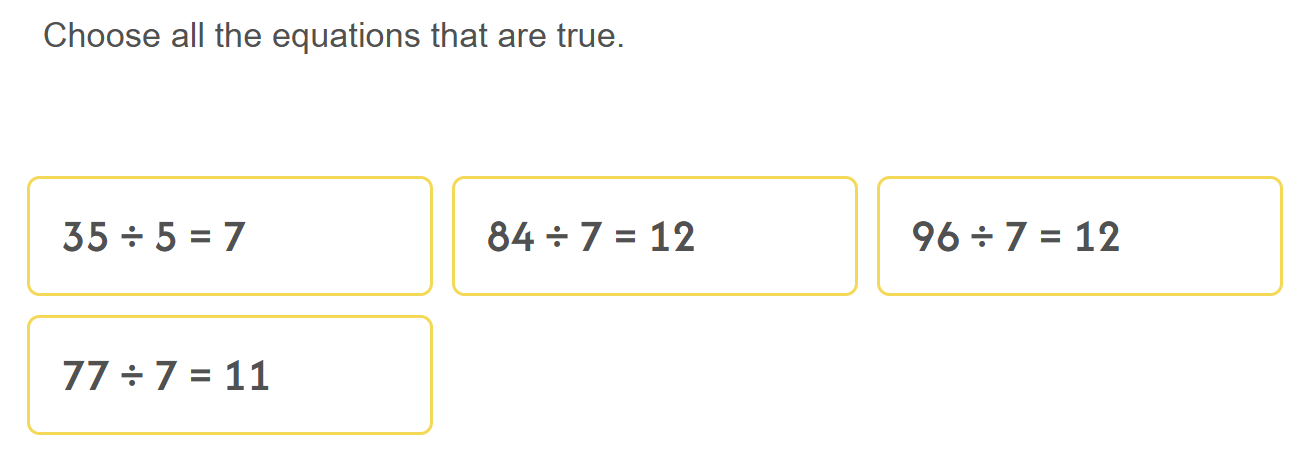
5. Multiplication and division facts: True or false
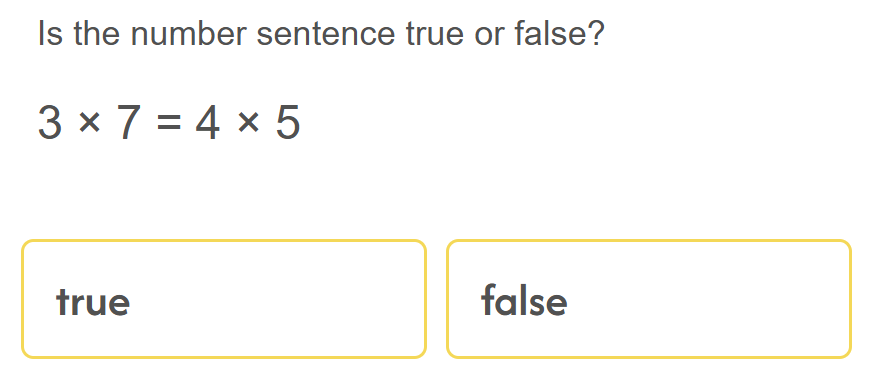
6. Multiplication and division sentences: true or false
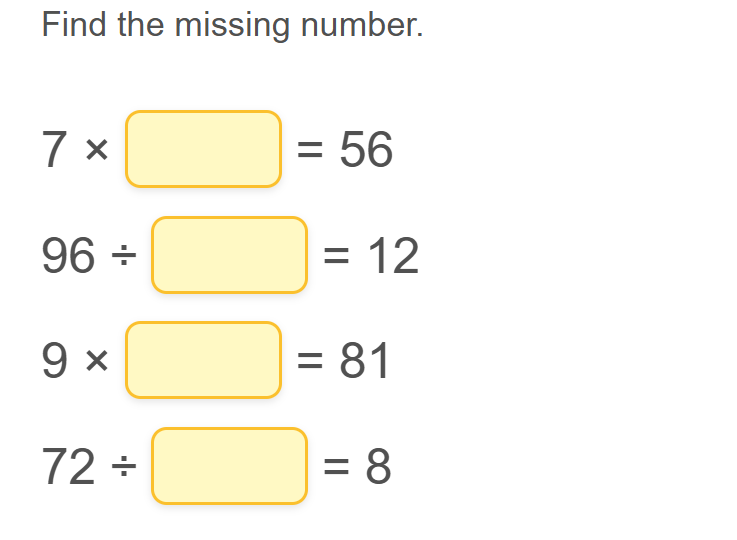
7. Multiplication and division facts: Find the missing number
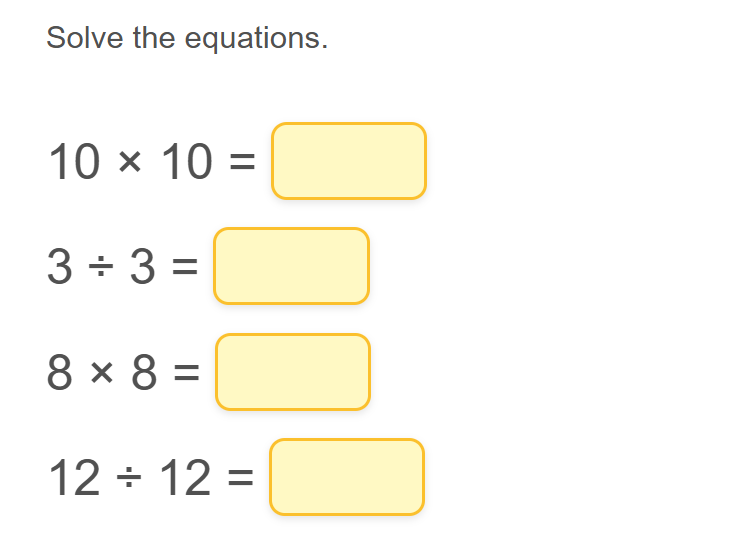
8. Multiplication and division facts: equal numbers
9. Multiplication and division: word problems I
10. Multiplication and division: word problems II
P. Multiplication word problems
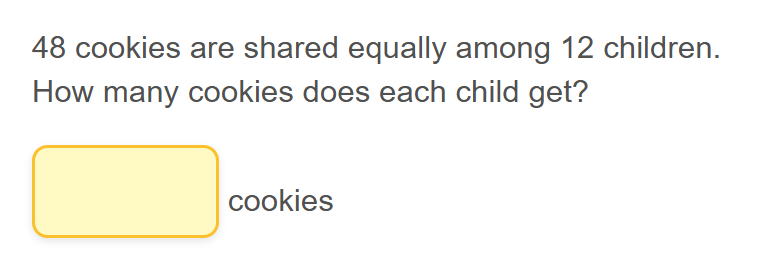
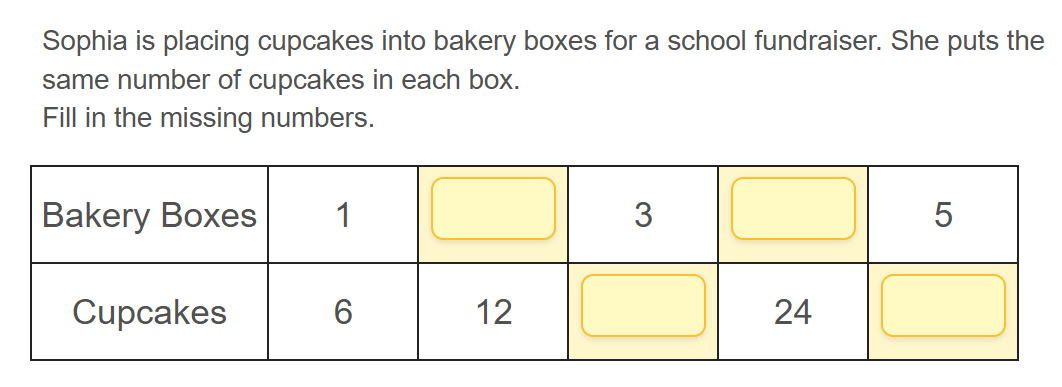
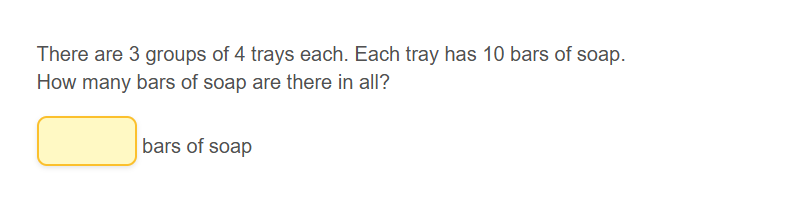
1. Solve multiplication problems using equal groups
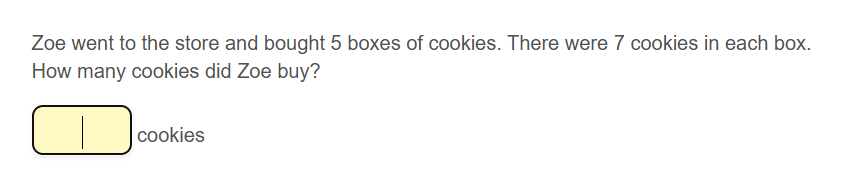
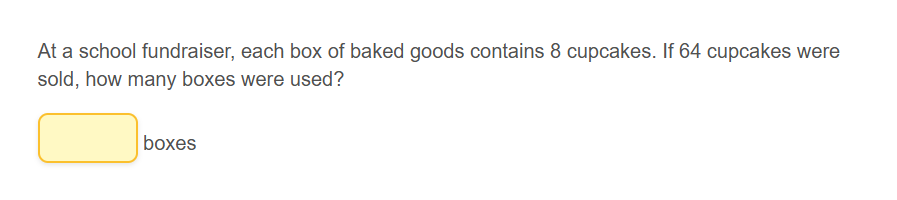
2. Multiplication word problems I
3. Multiplication word problems II
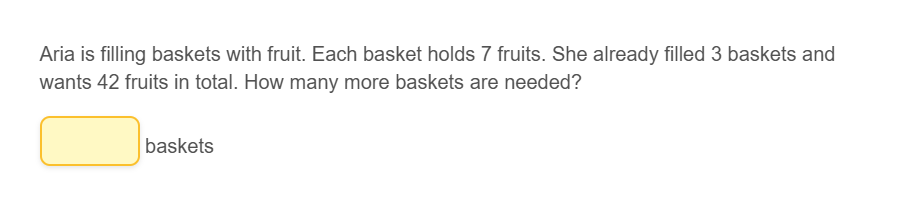
4. Find the missing factor in multiplication word problems I
5. Find the missing factor in multiplication word problems II
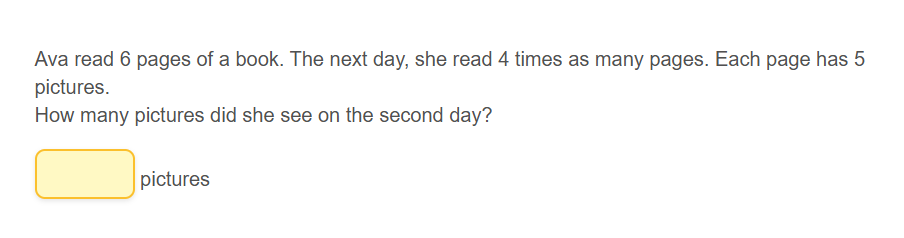
6. Compare quantities using multiplication: how many times as many
7. Choose the correct multiplication sentences
Q. Division word problems
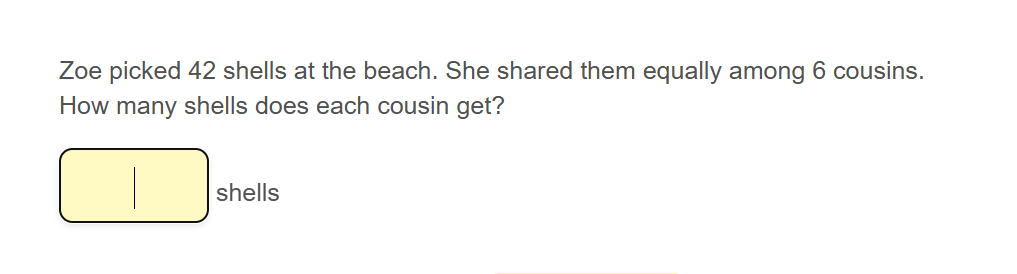
1. Solve division problems using equal groups
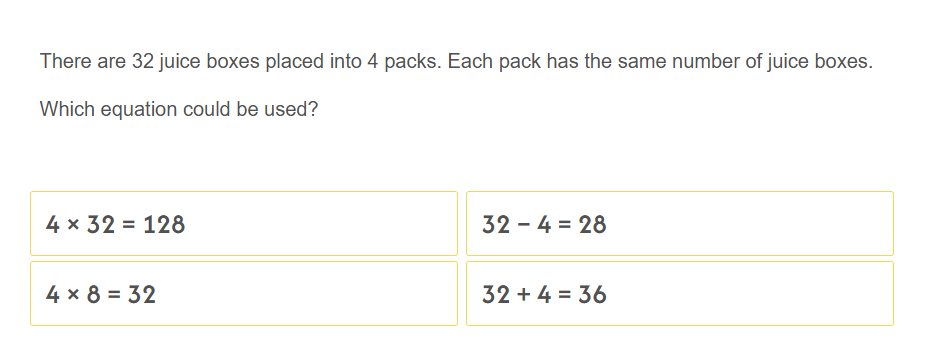
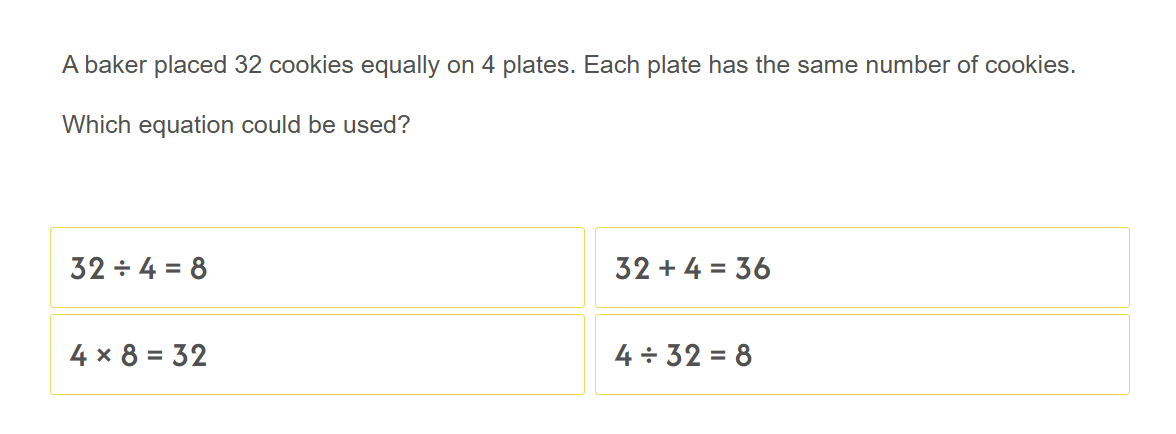
2. Choose the correct equation for division word problems
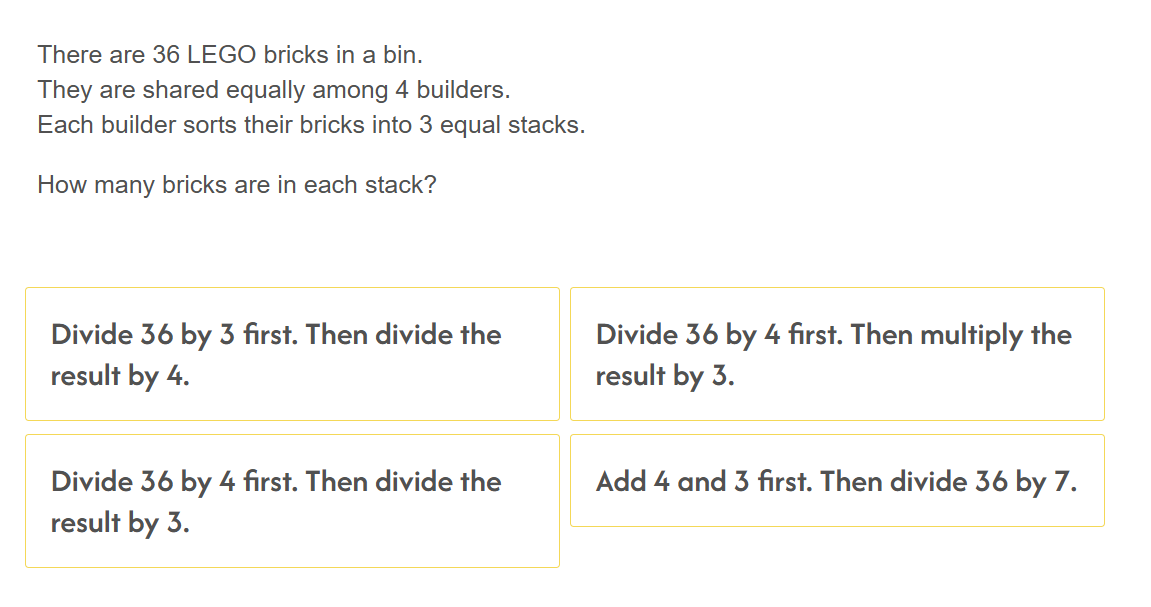
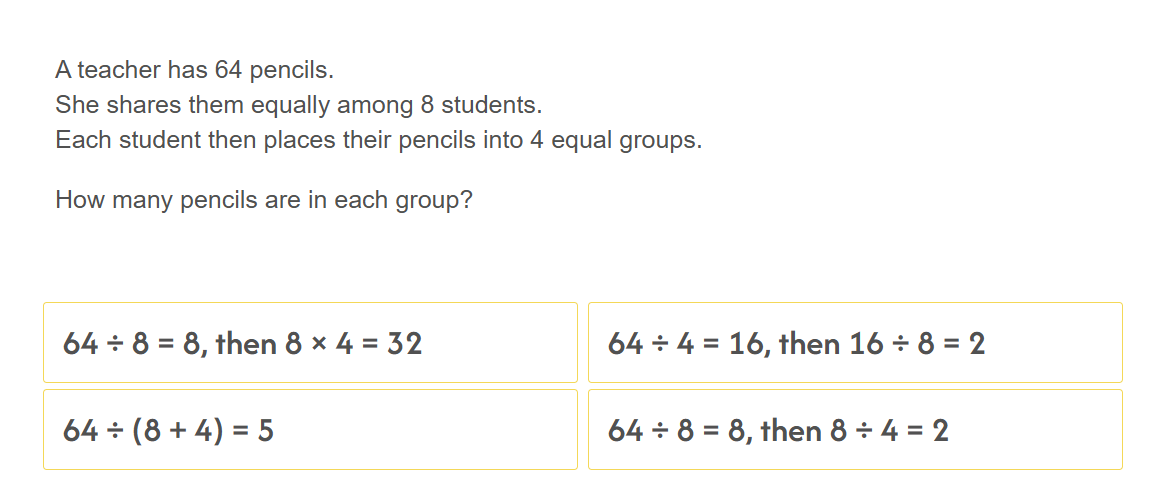
3. Choose the right method for two-step word problems
4. Choose the correct equation for two-step division word problems
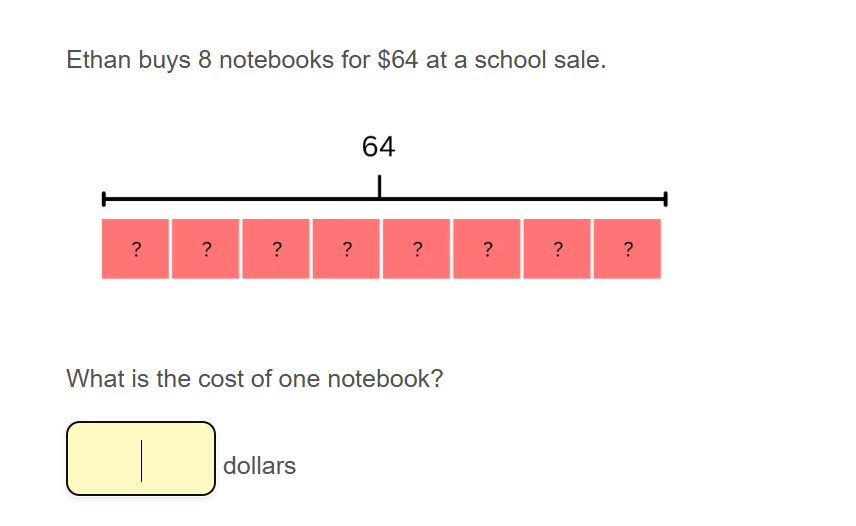
5. Use strip models to solve division word problems
6. Division word problems
R. Equations
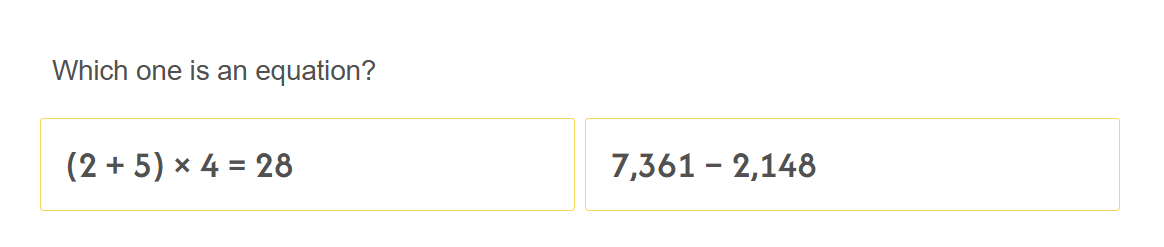
1. Identify the correct equations
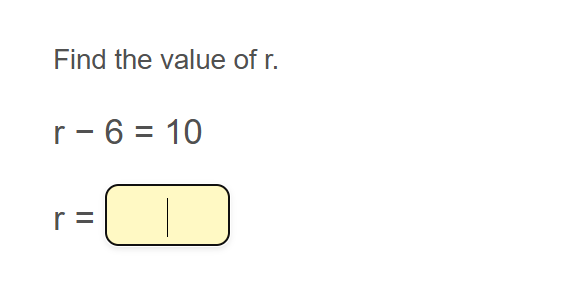
2. Solve for the variable: addition and subtraction
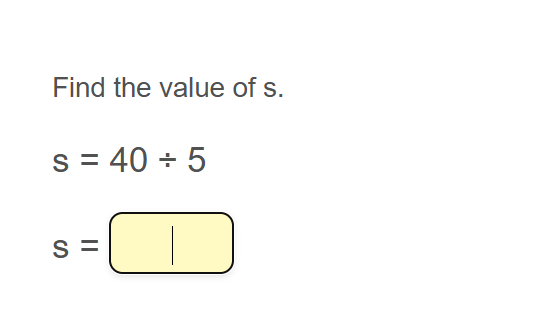
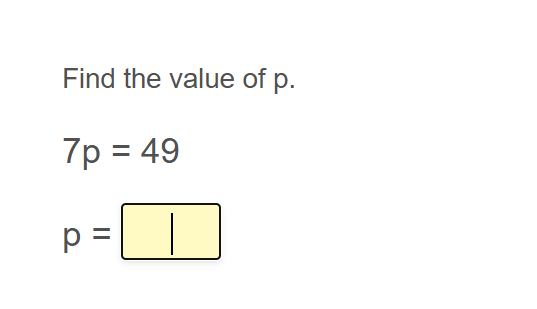
3. Solve for the variable: multiplication and division
4. Solve for the variable
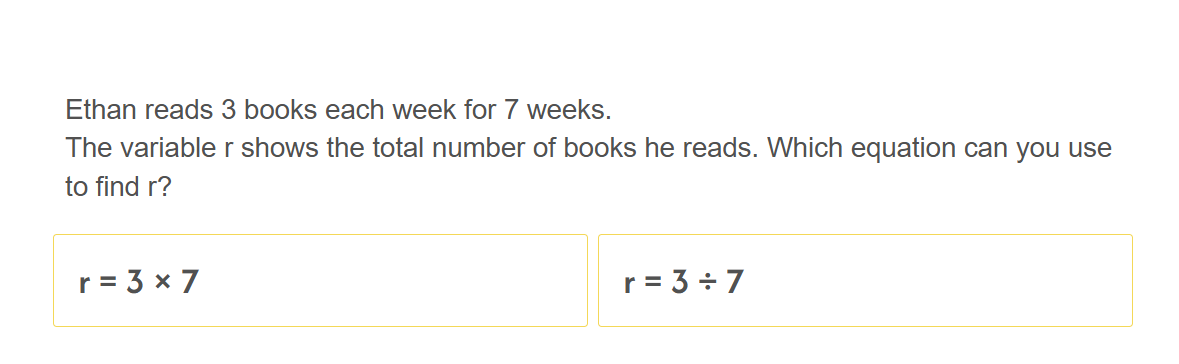
5. Write equations from multiplication and division: word problems
S. Area
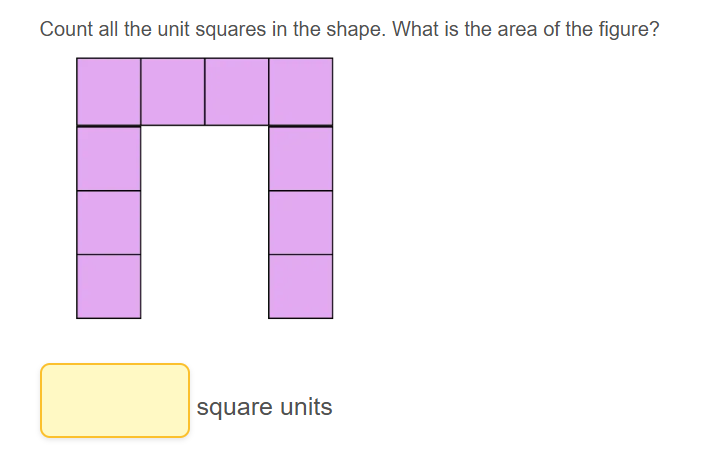
1. Count unit squares to find area
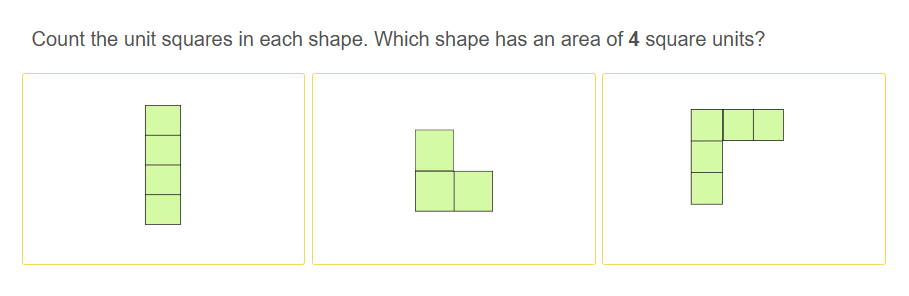
2. Select the shape with a given area
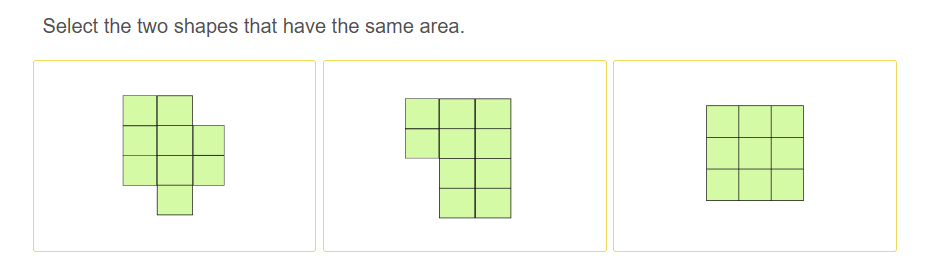
3. Select two shapes with the same area
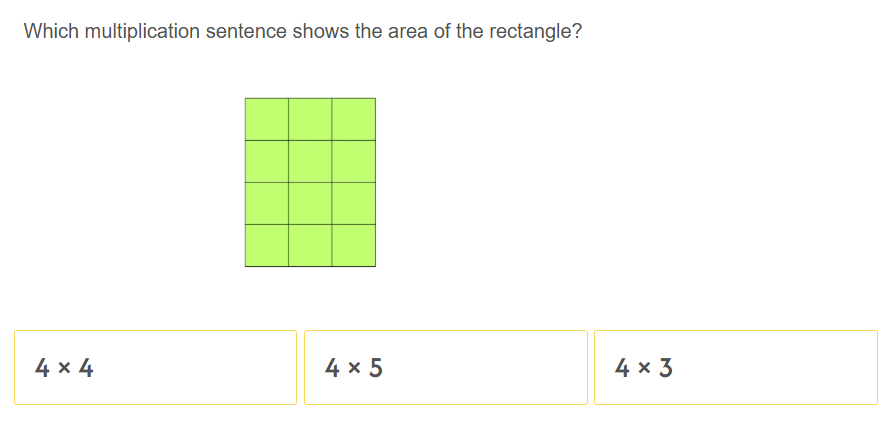
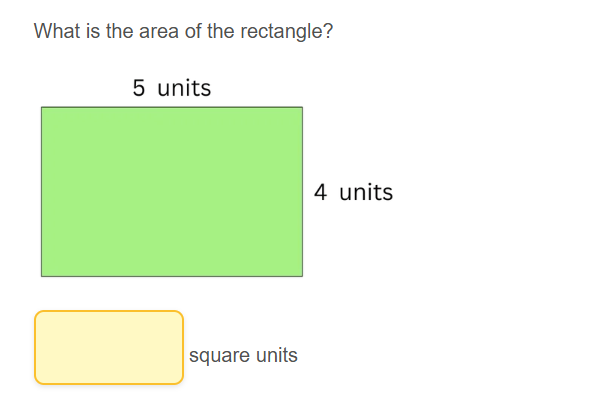
4. Find area using multiplication
5. Find the area of rectangles and squares
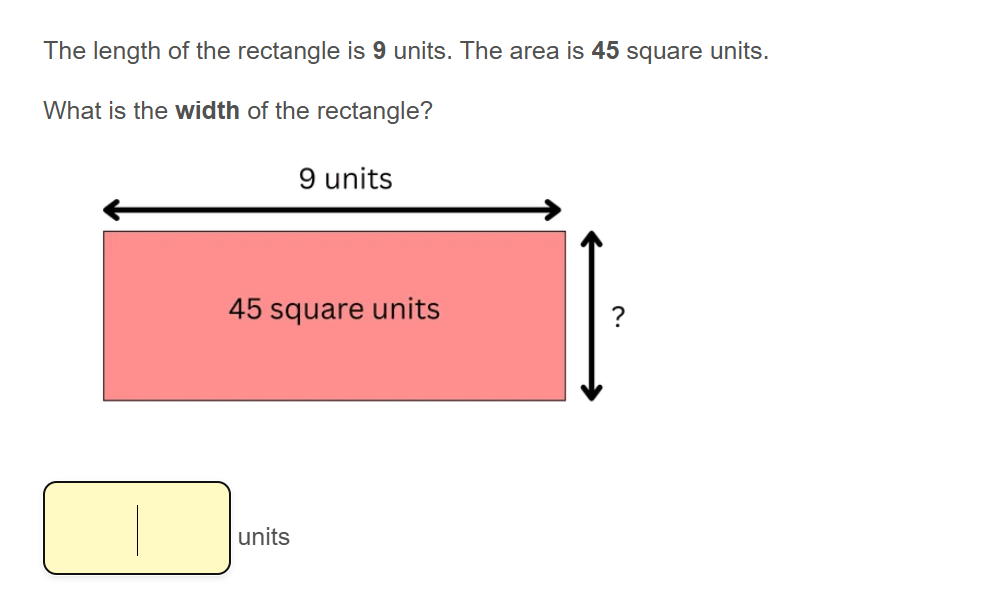
6. Find the missing side of a rectangle
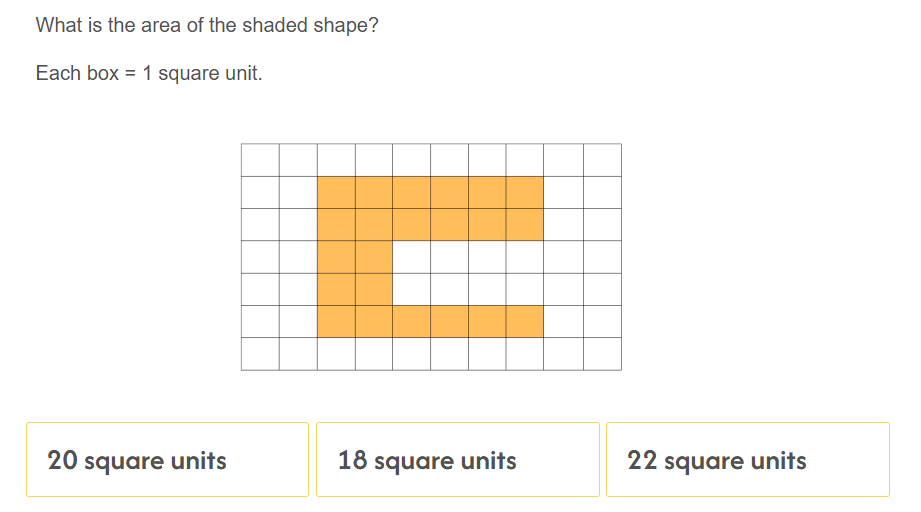
7. Find the area of shaded shapes: unit squares
8. Find area of shapes with missing unit squares
9. Find the area of rectangular shapes
10. Find the area of rectangles: word problems
11. Find the missing side of a rectangle: word problems
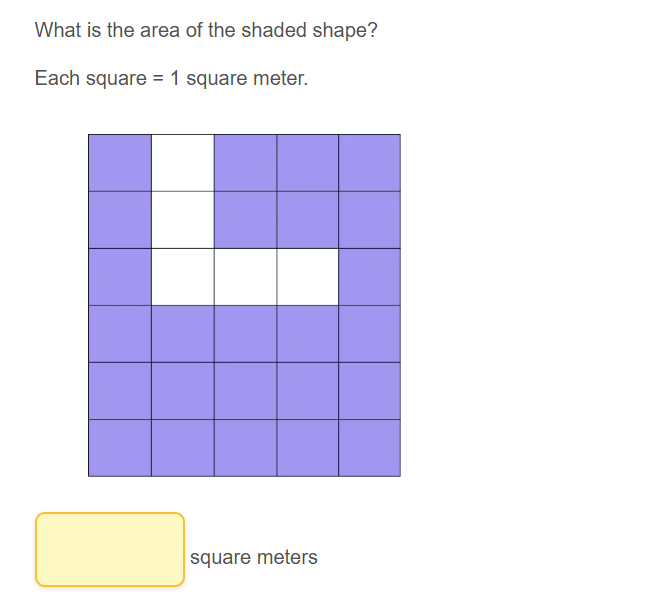
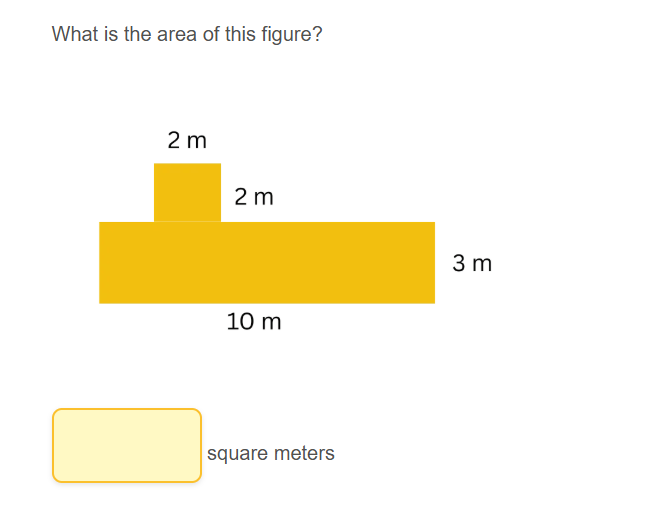
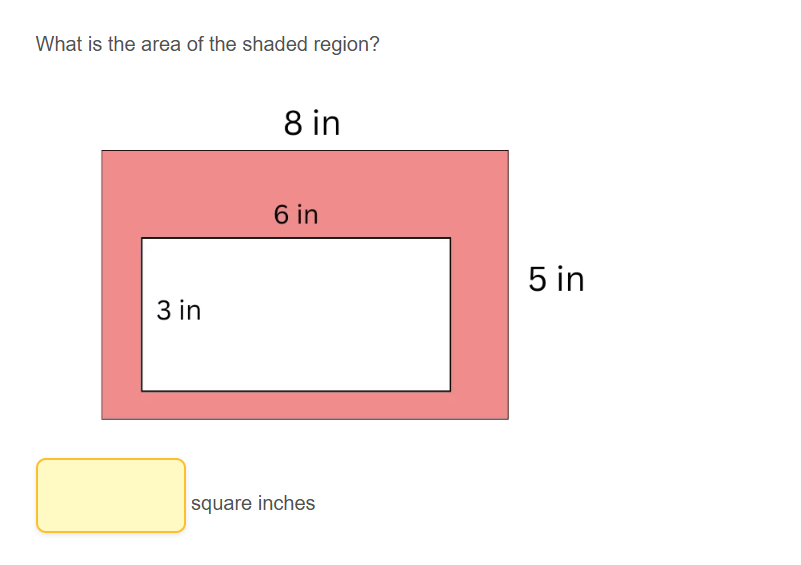
12. Find the area of the shaded shapes
T. Perimeter
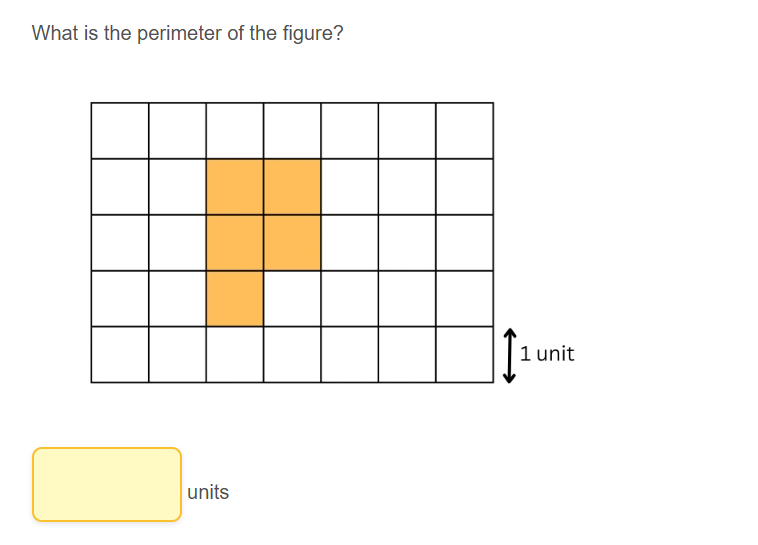
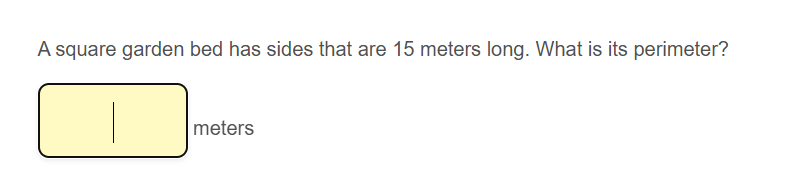
1. Find the perimeter of a figure
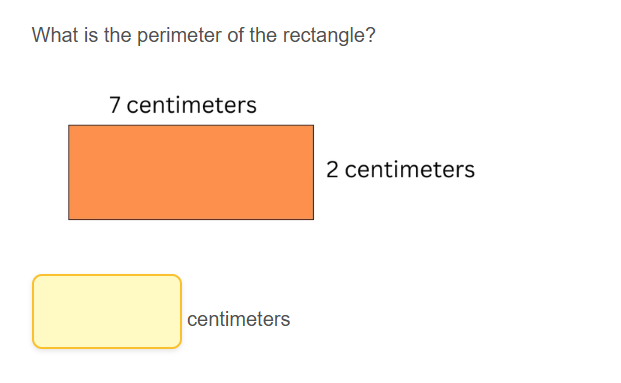
2. Find the perimeter of rectangles
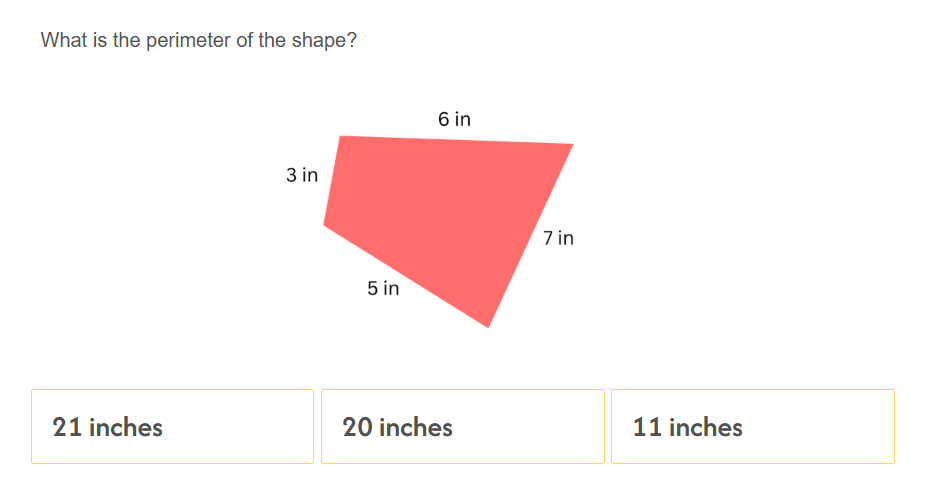
3. Find the perimeter of polygons
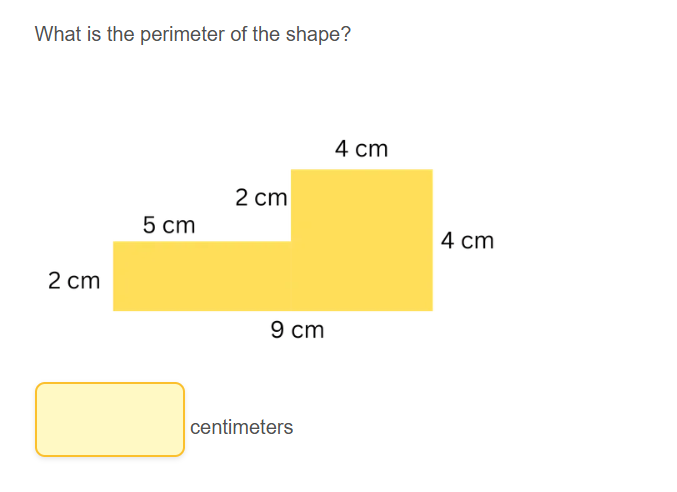
4. Find the perimeter of shapes
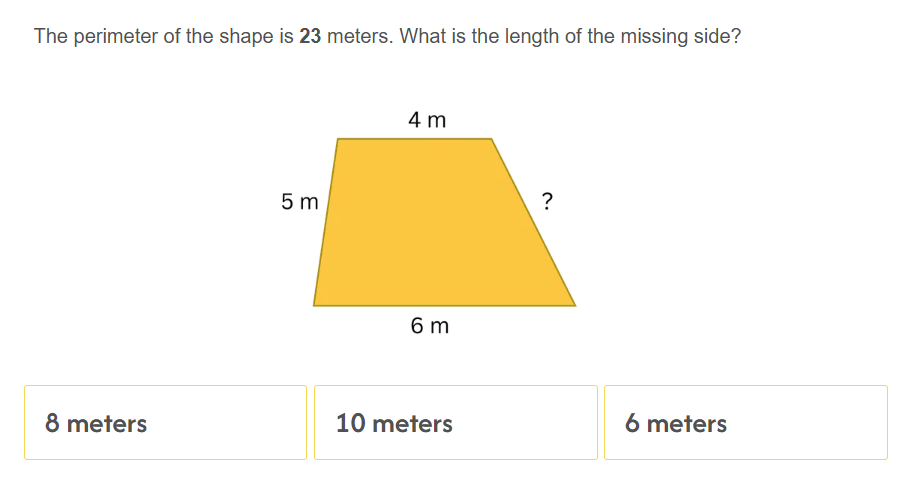
5. Find the missing side length using perimeter
6. Perimeter: word problems
II. Estimation & Rounding
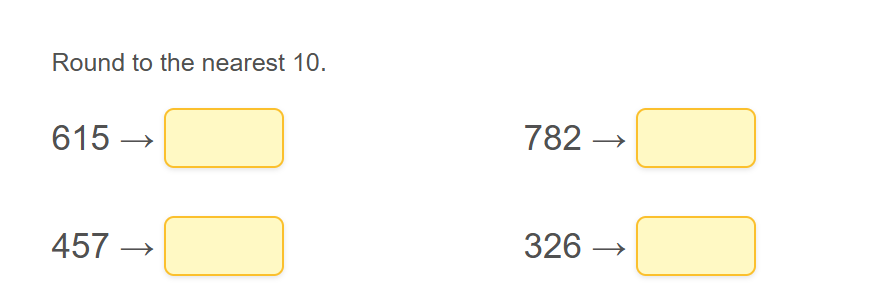
1. Round numbers to the nearest ten
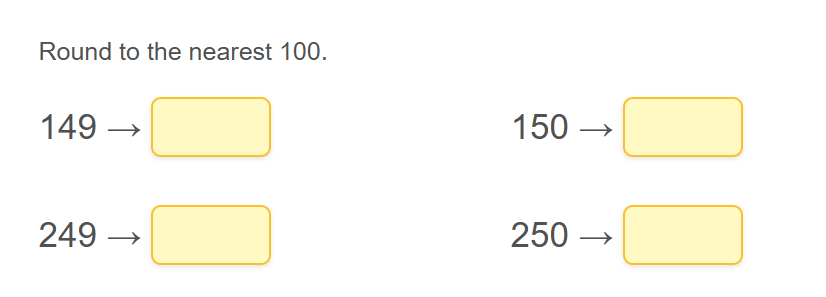
2. Round numbers to the nearest hundred
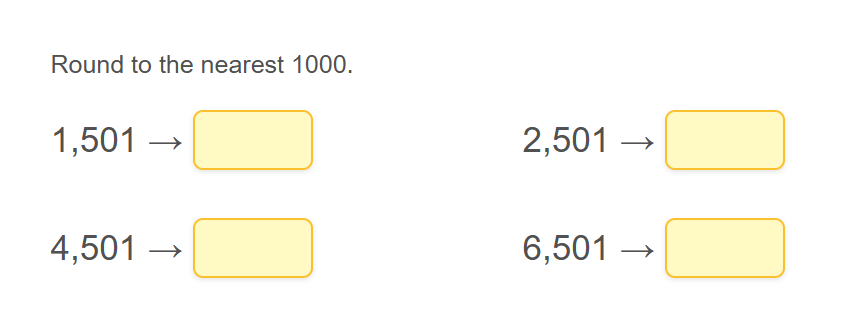
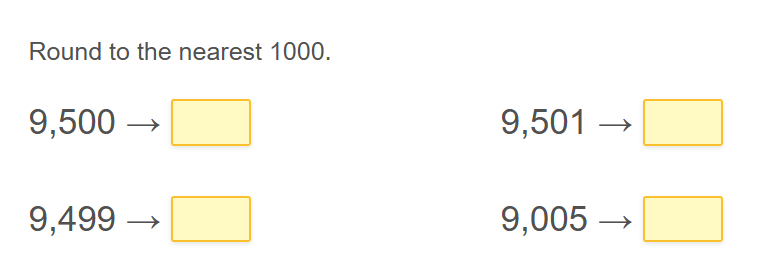
3. Round numbers to the nearest thousand
4. Round to the nearest 10, 100, or 1000
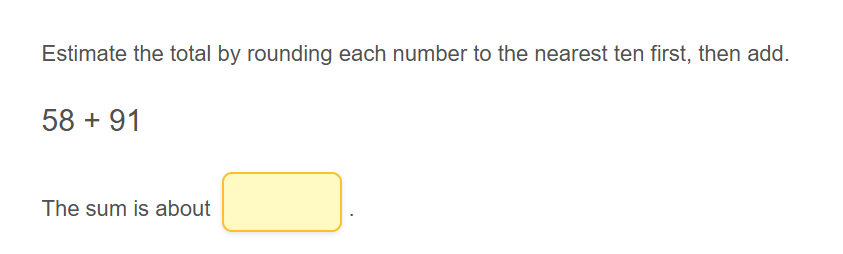
5. Estimate sums by rounding up to 1,000
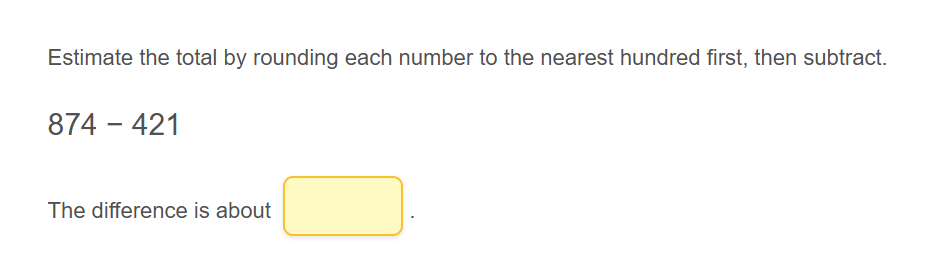
6. Estimate differences by rounding up to 1,000
V. Build fractions basics
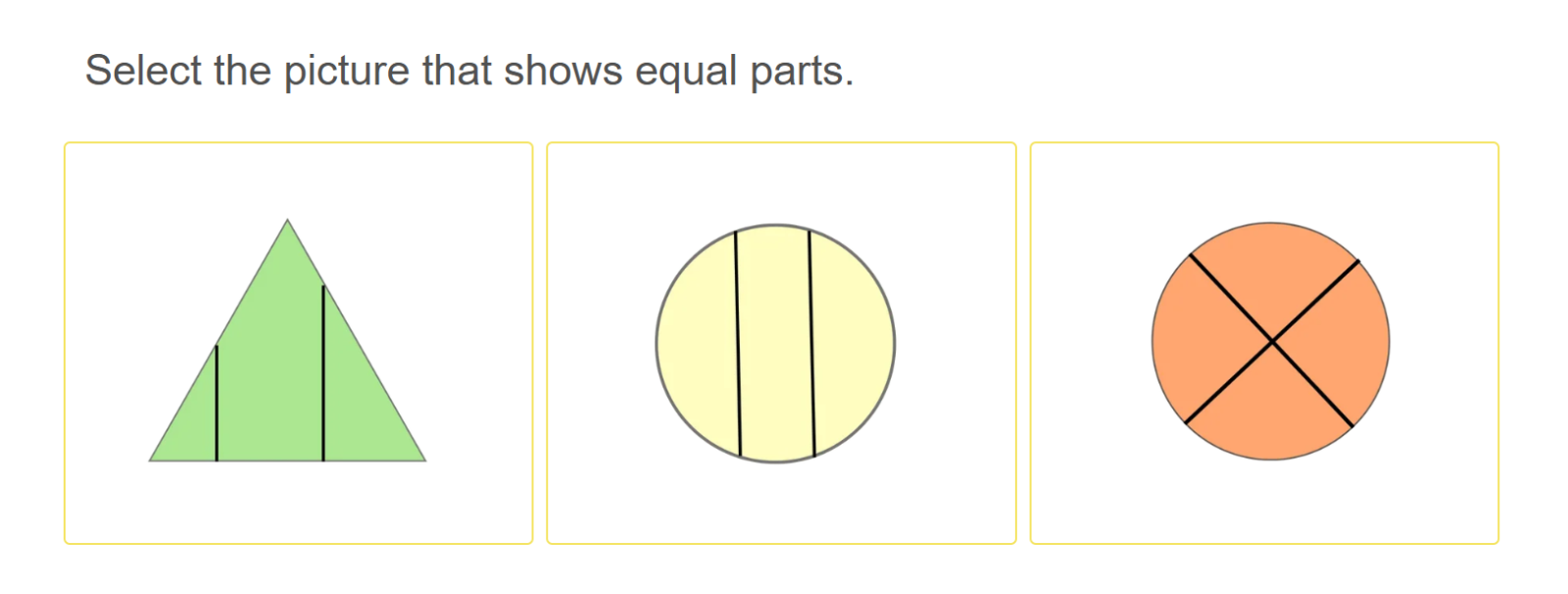
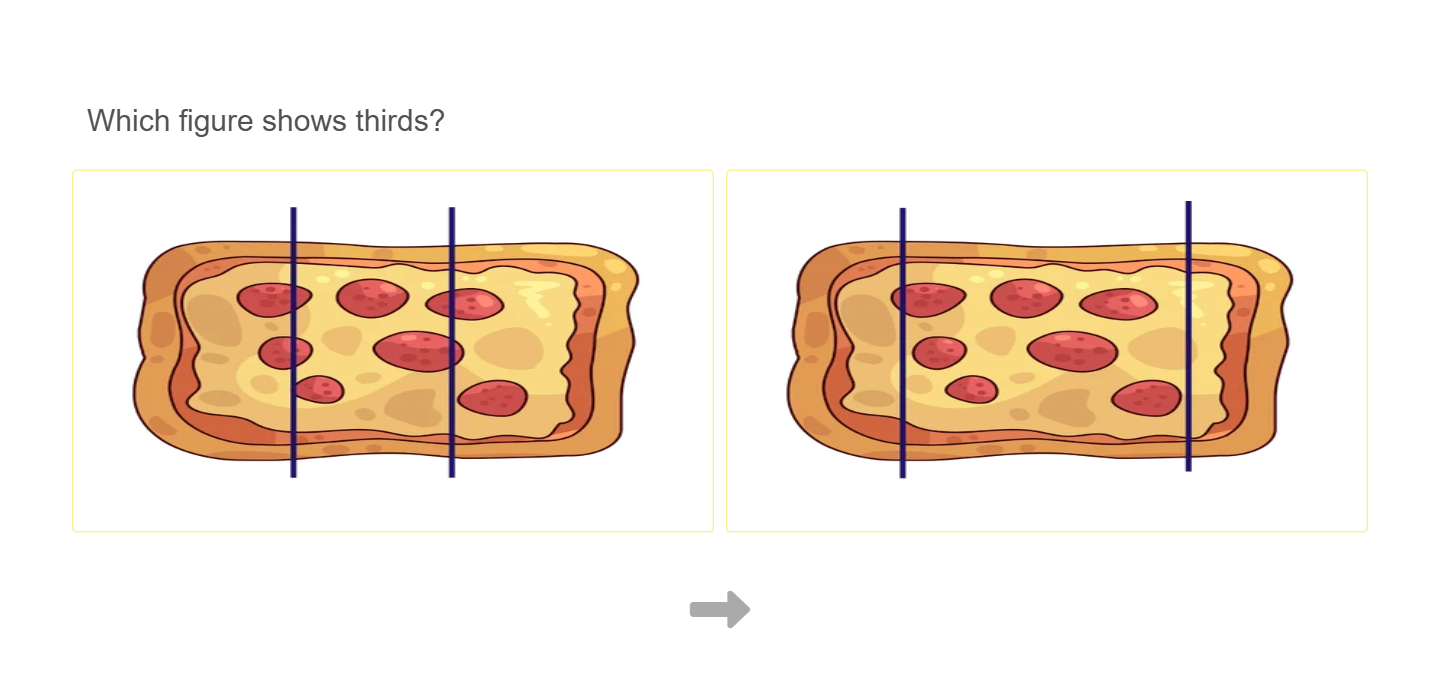
1. Equal shares: Halves, thirds and fourths
2. Halves, thirds and fourths with models
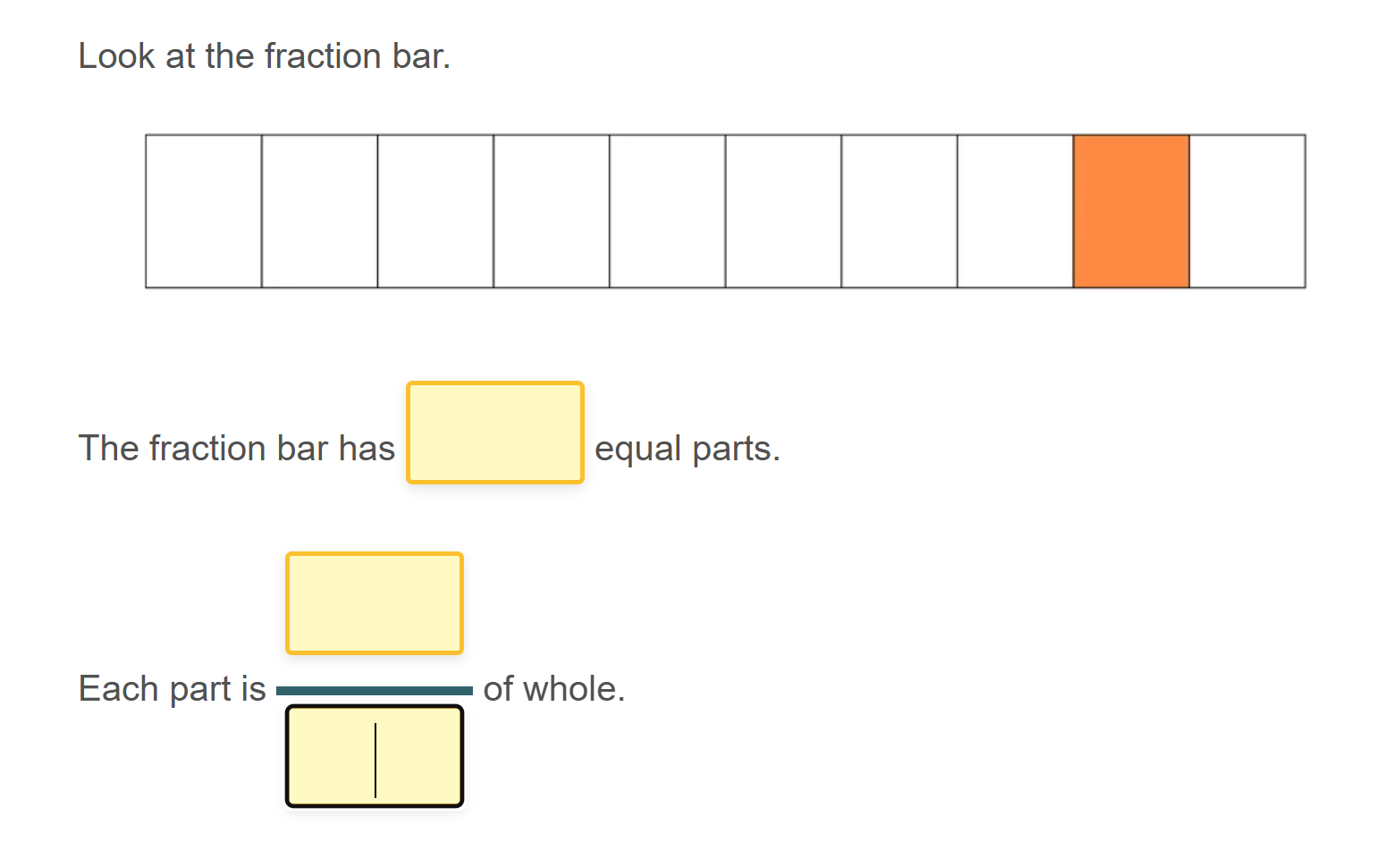
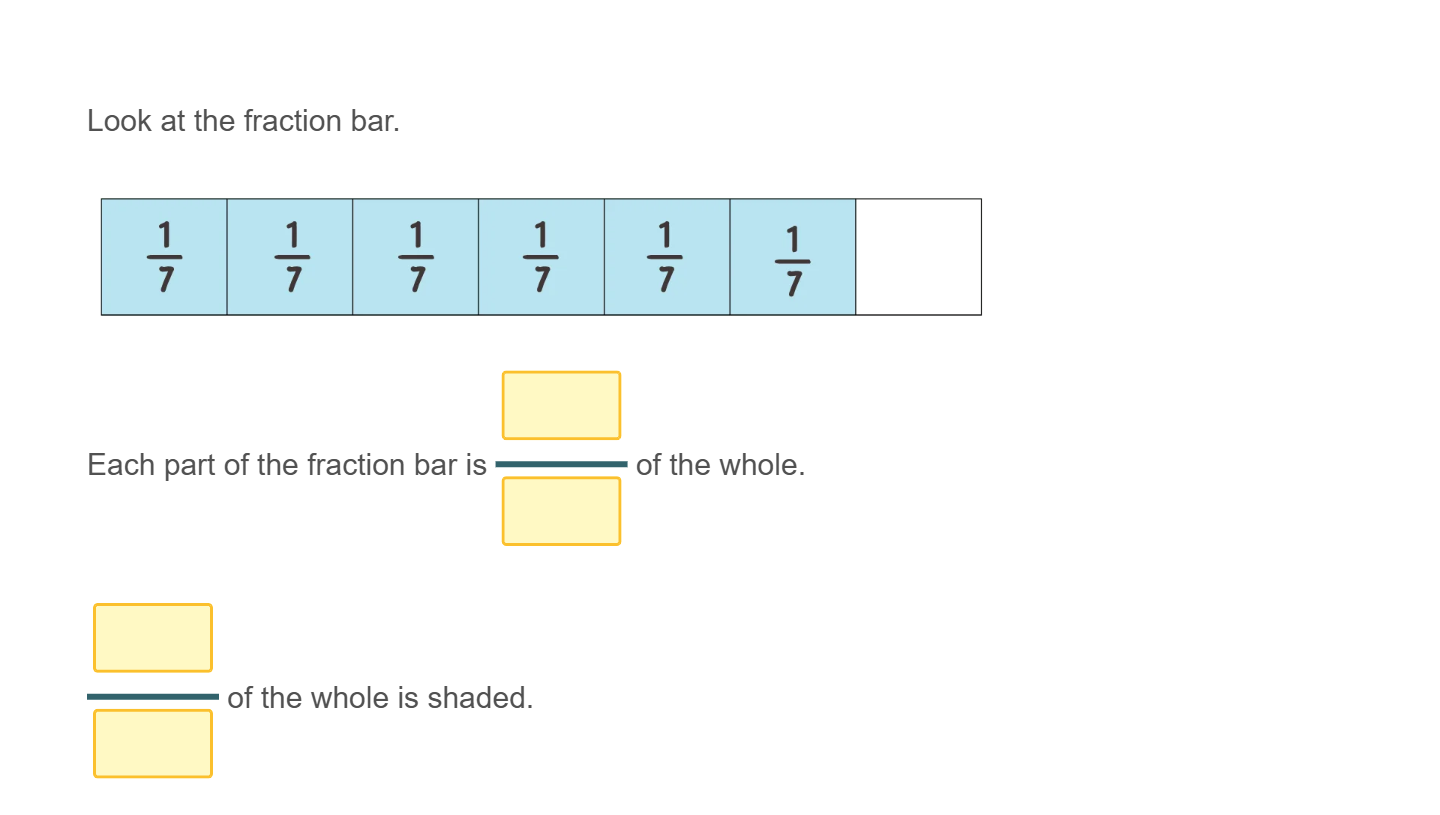
3. Understand fraction bars
4. Fraction bars
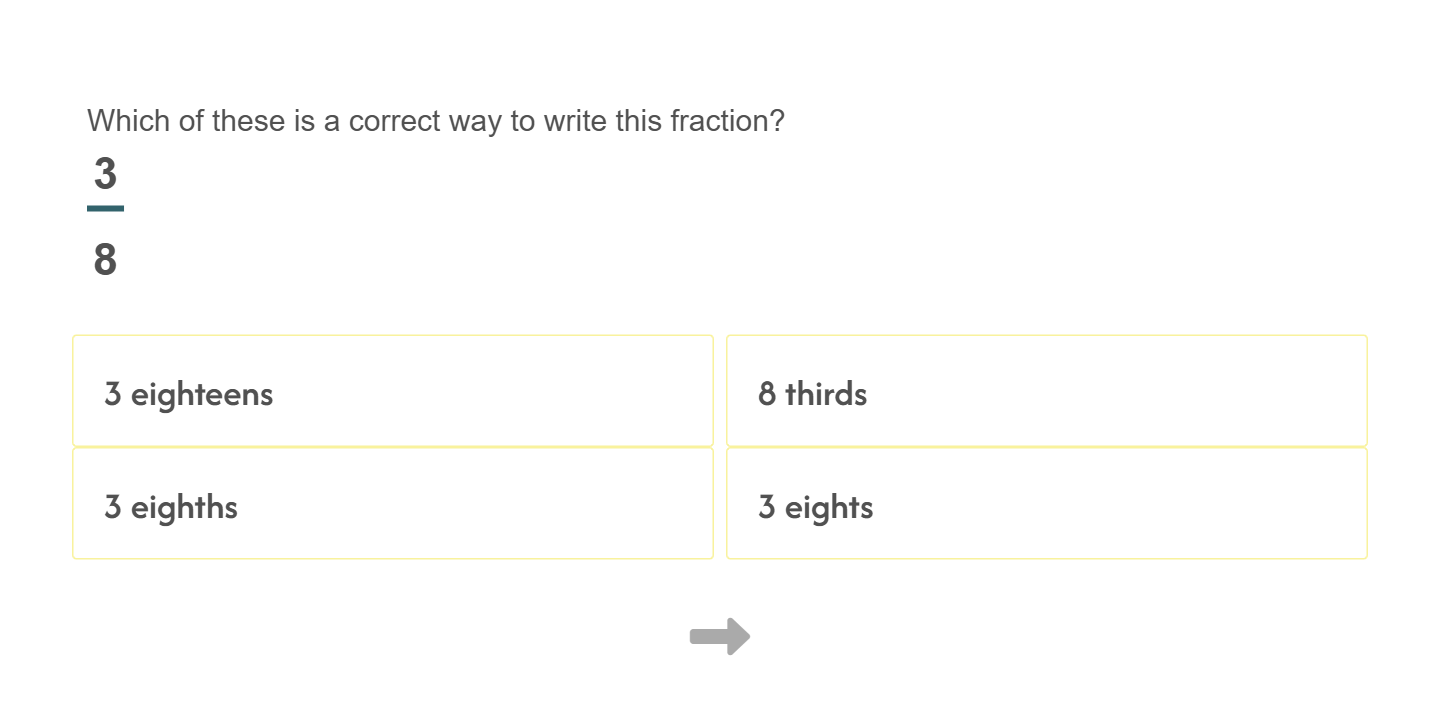
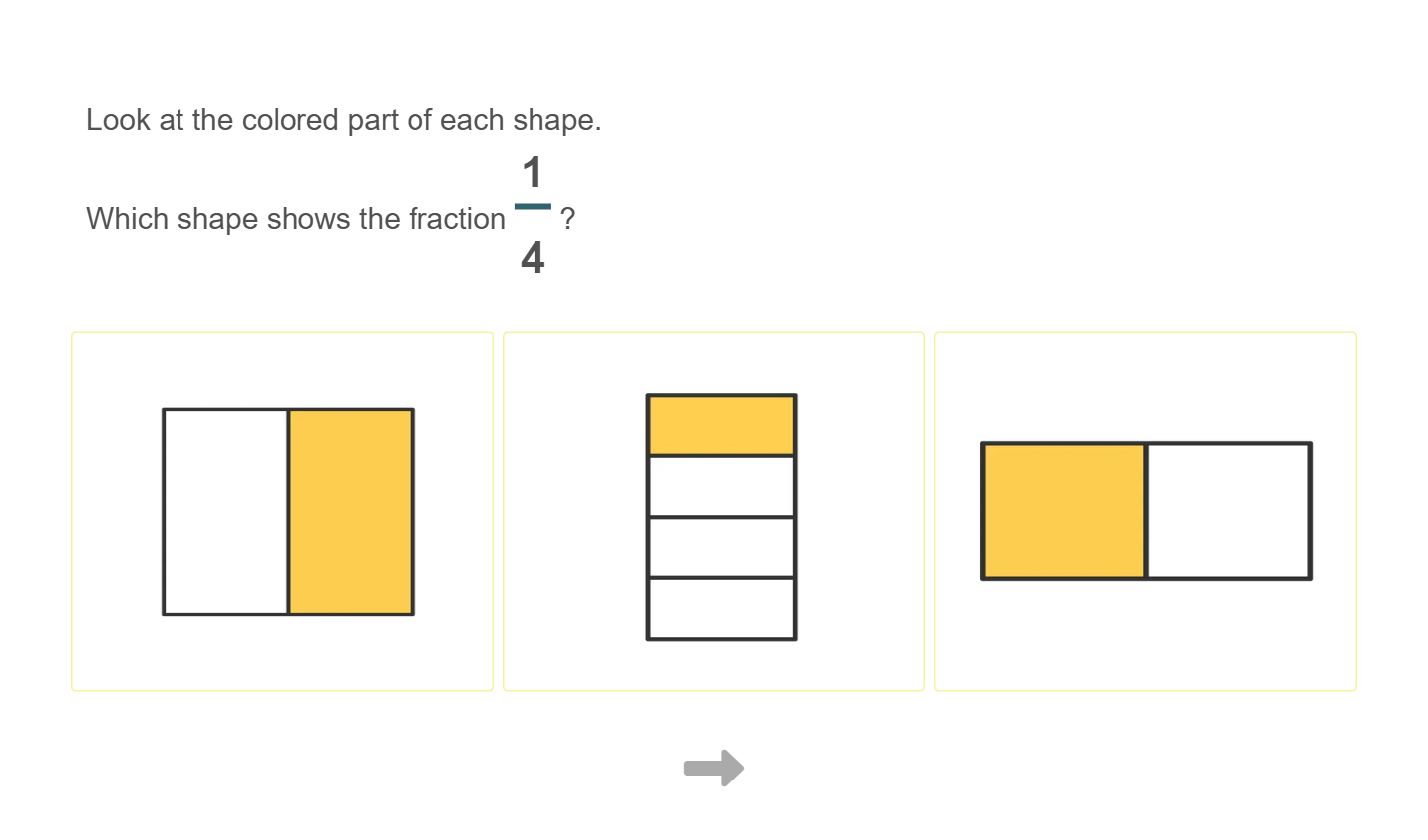
5. Write fractions in numbers and words
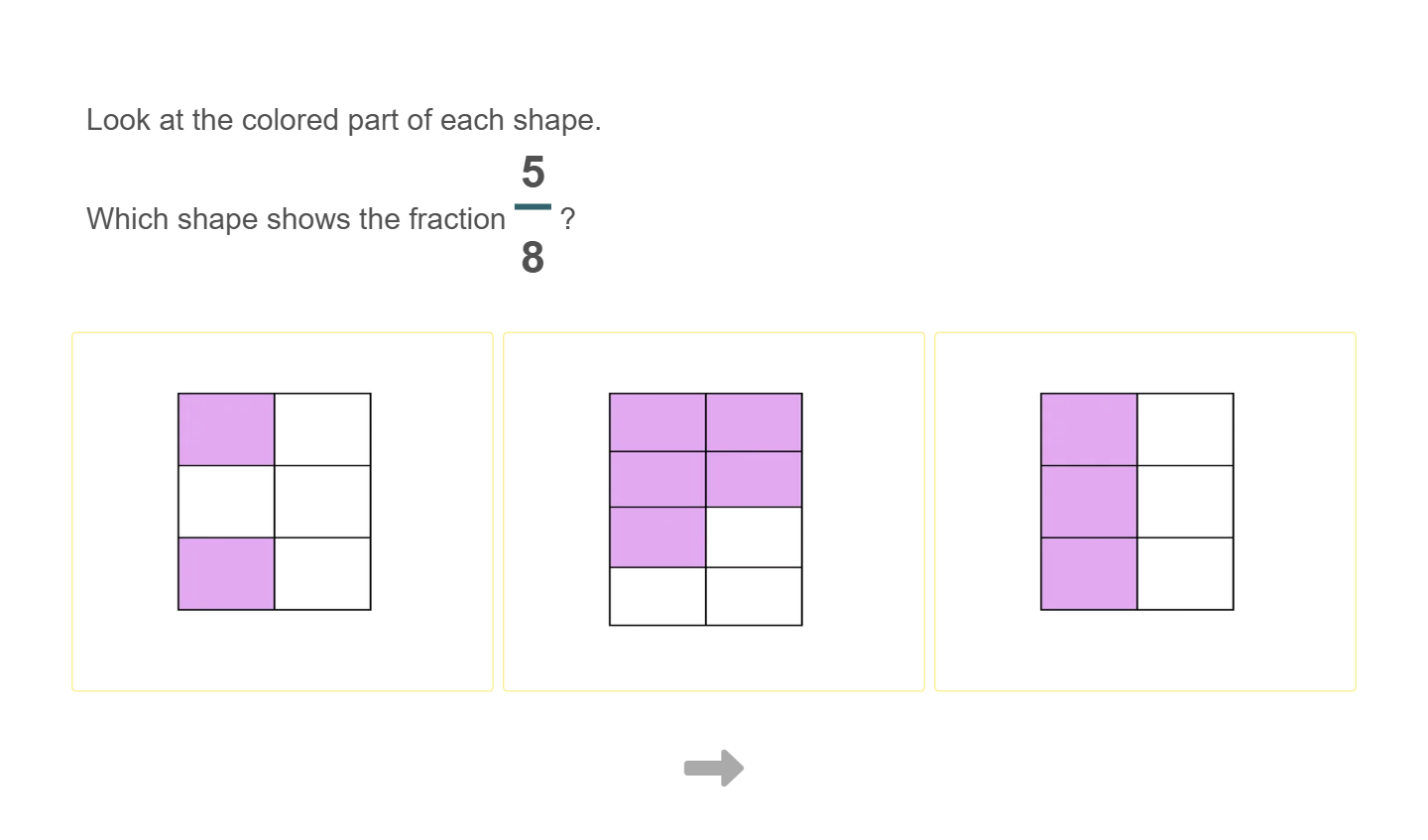
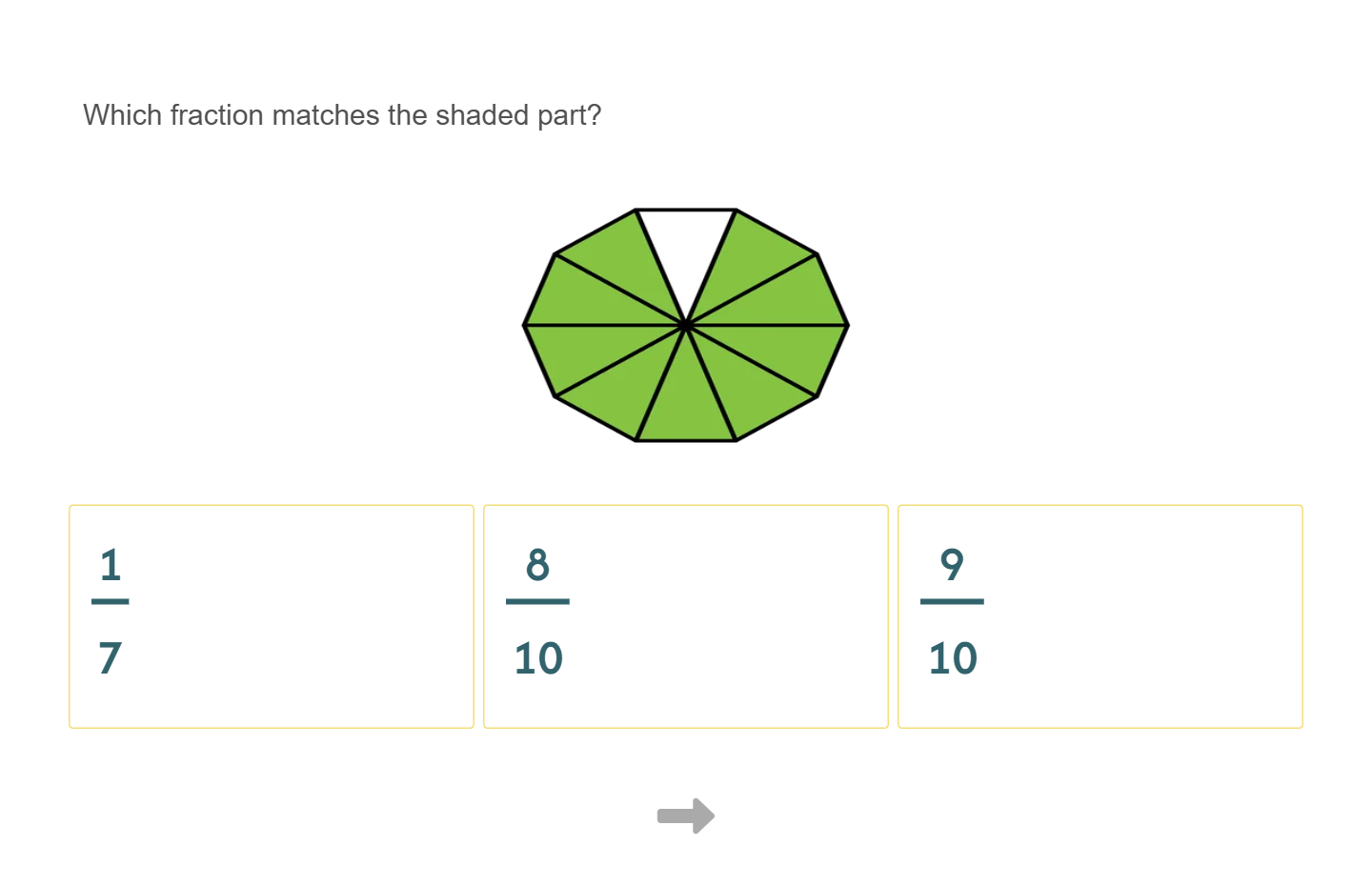
6. Match fractions to shaded shapes
7. Match fractions to models
8. Match models to fractions
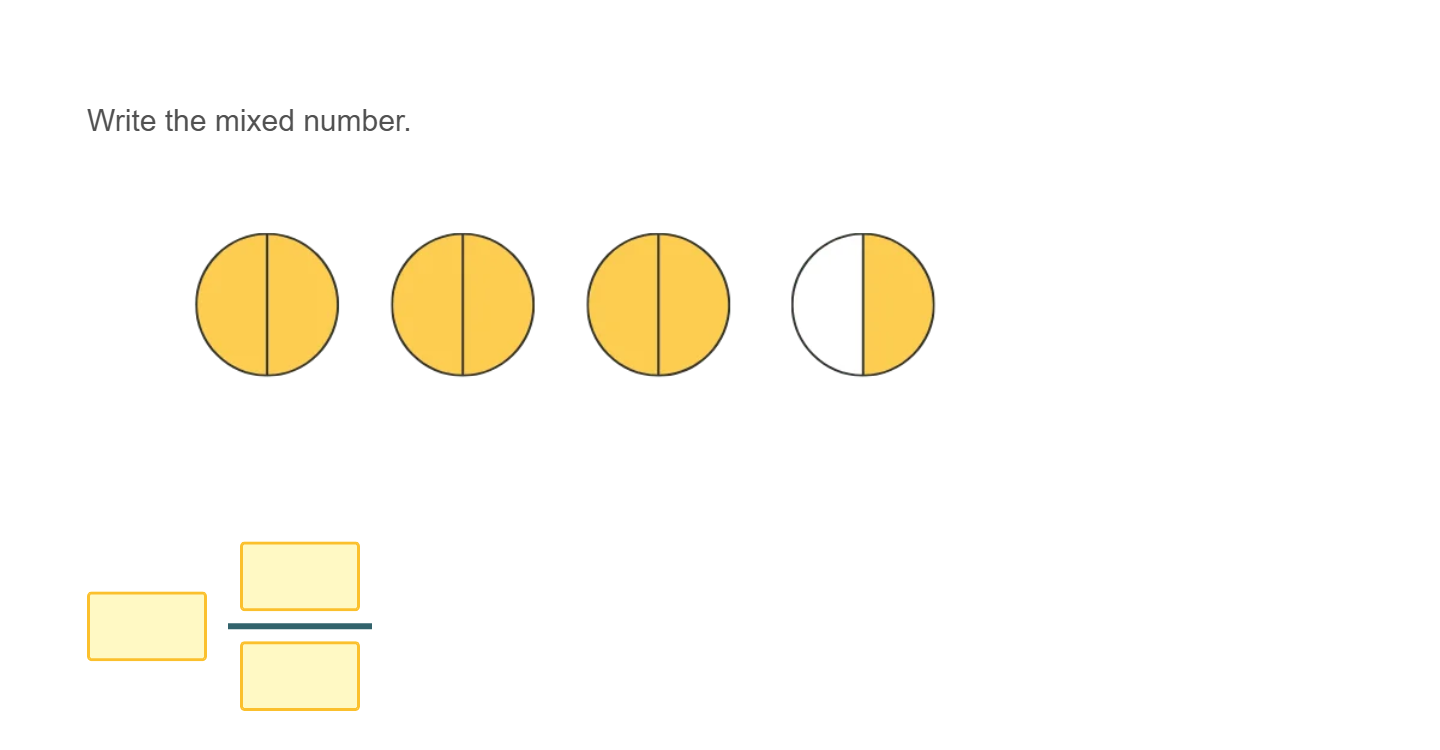
9. Write mixed numbers from models
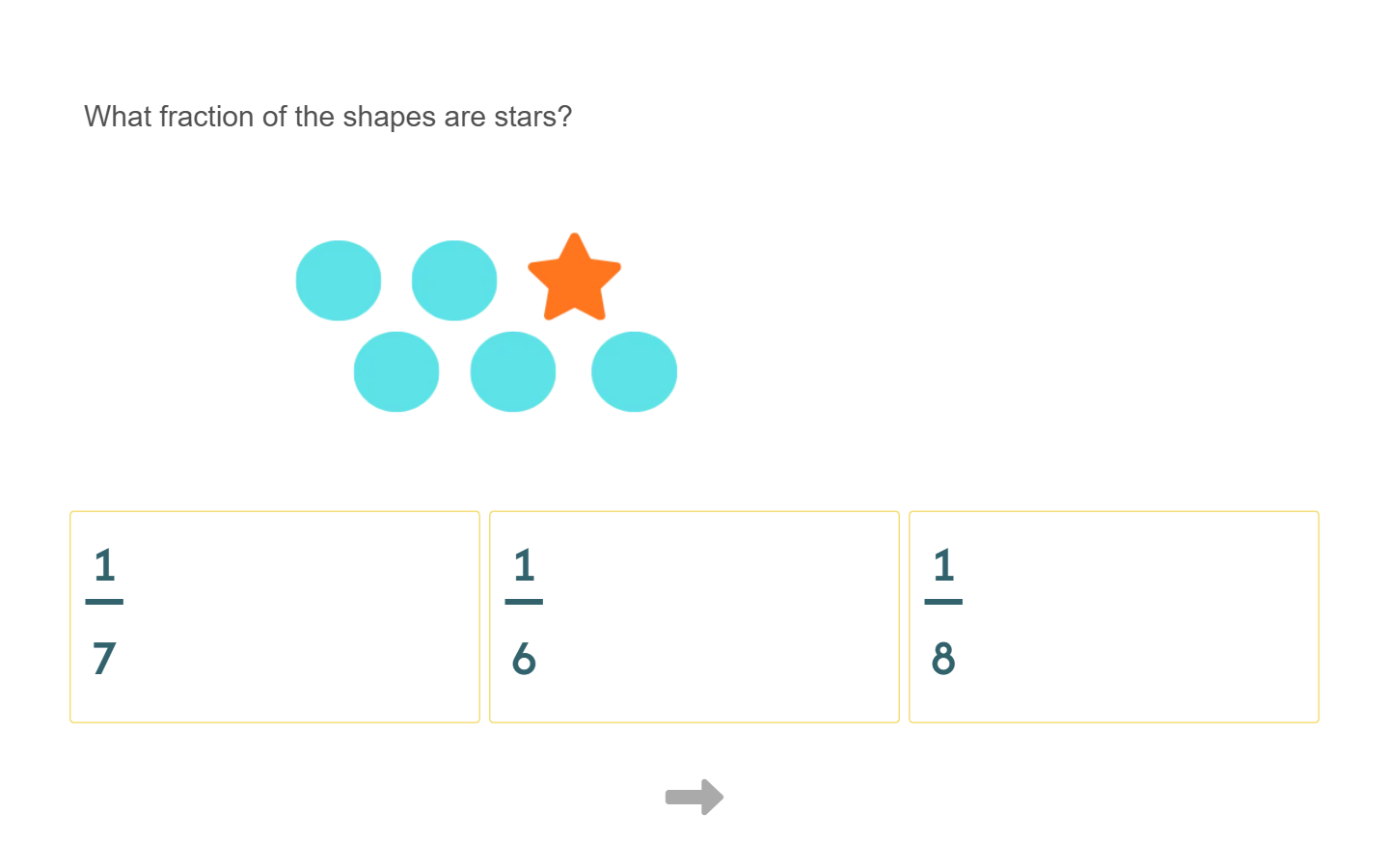
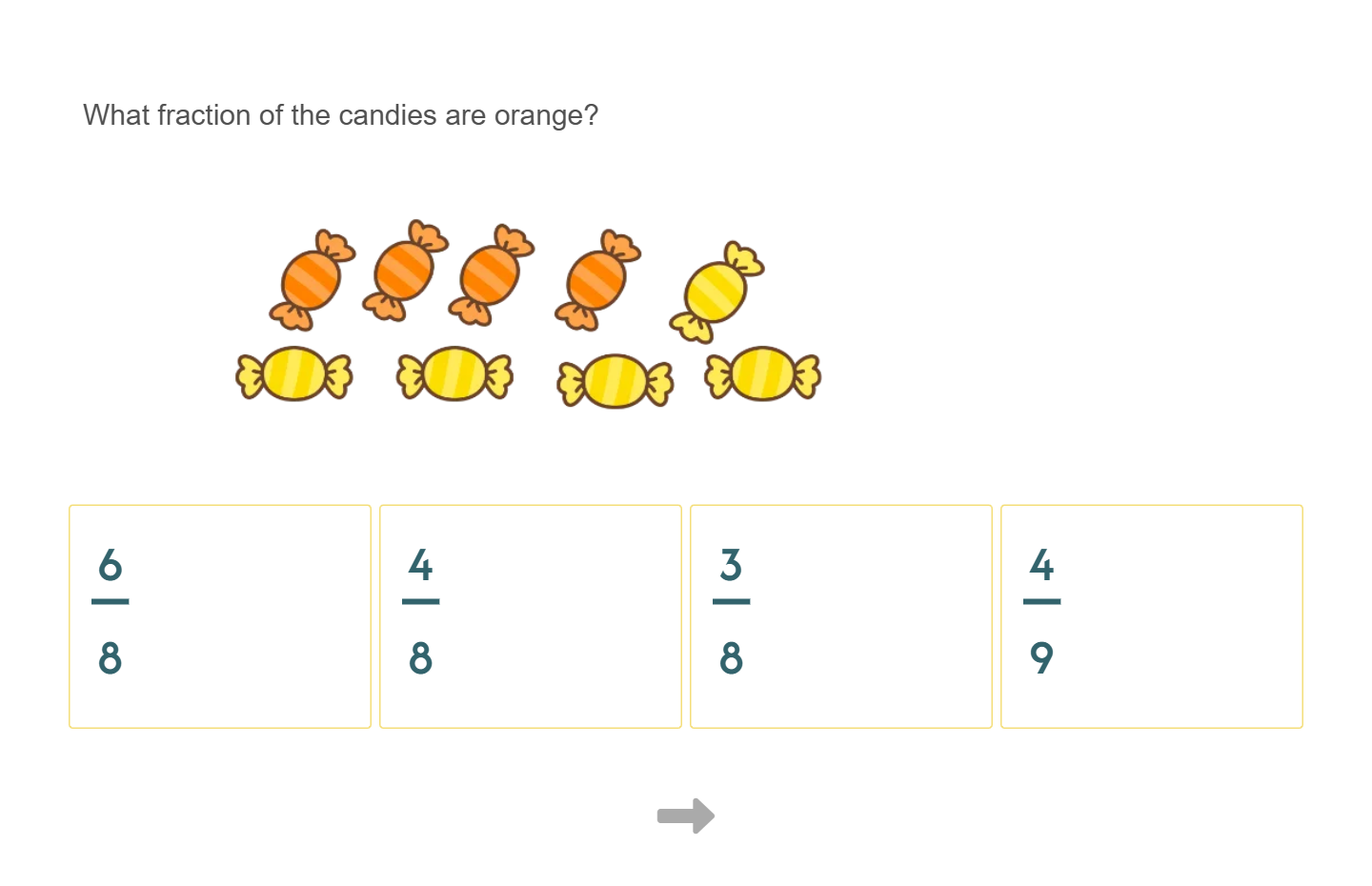
10. Fractions of a group : unit fractions
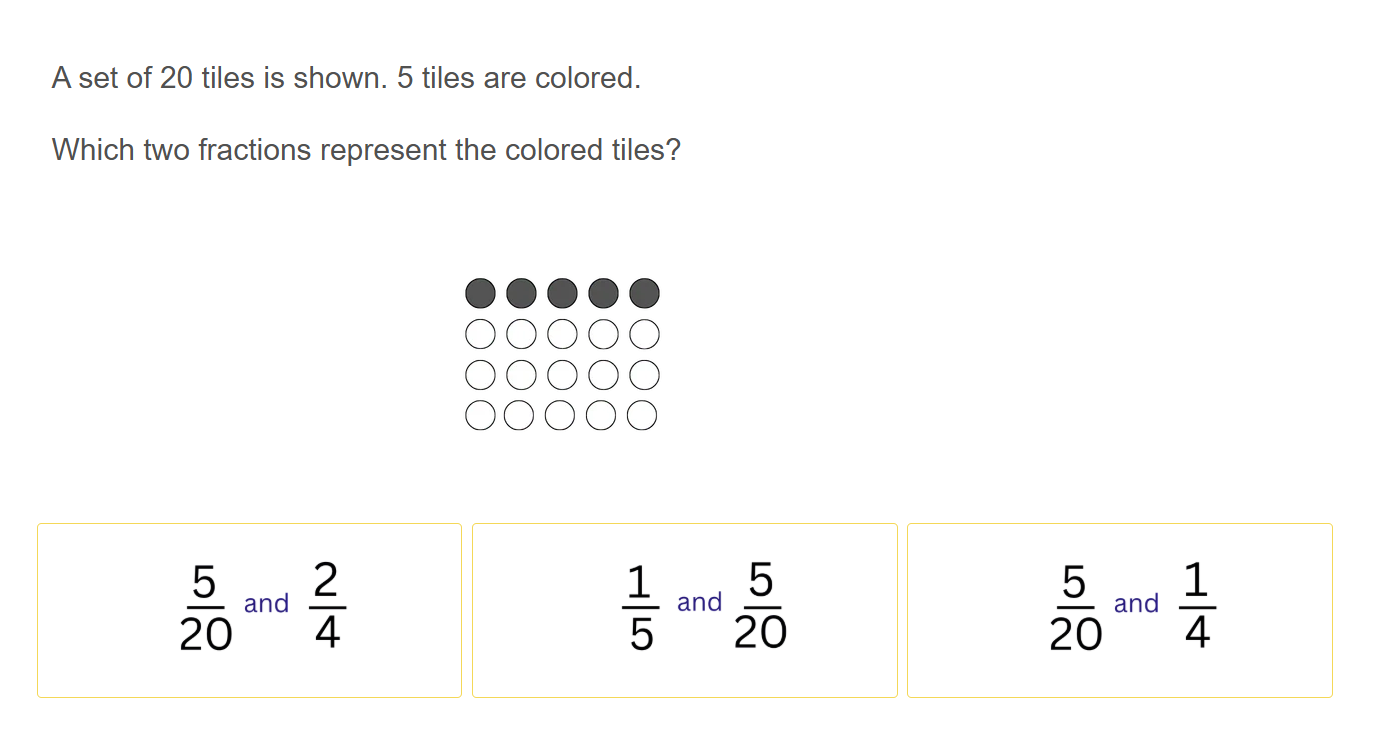
11. Fractions of a group
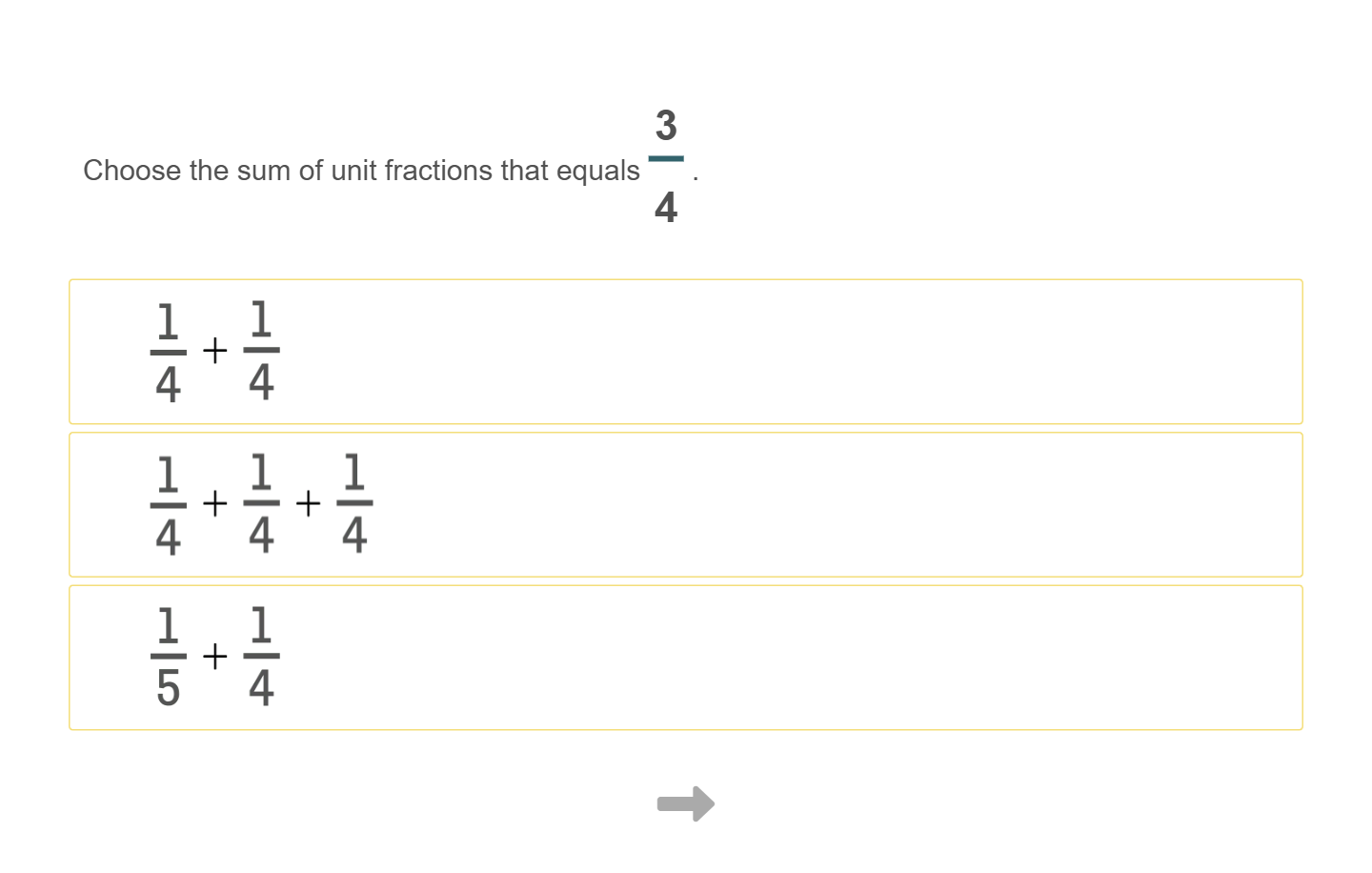
12. Decompose fractions into unit fractions
W. Fractions on number lines
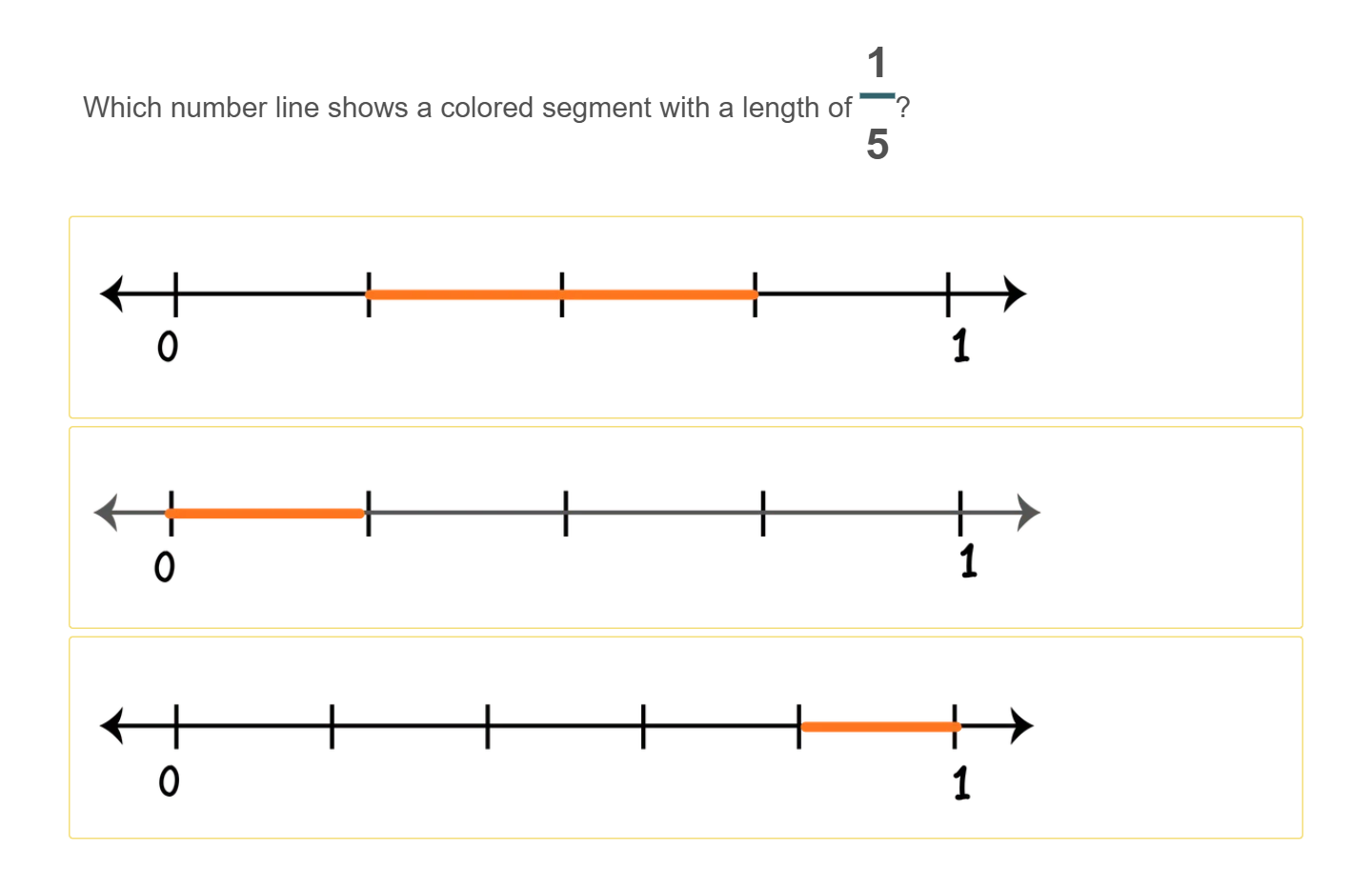
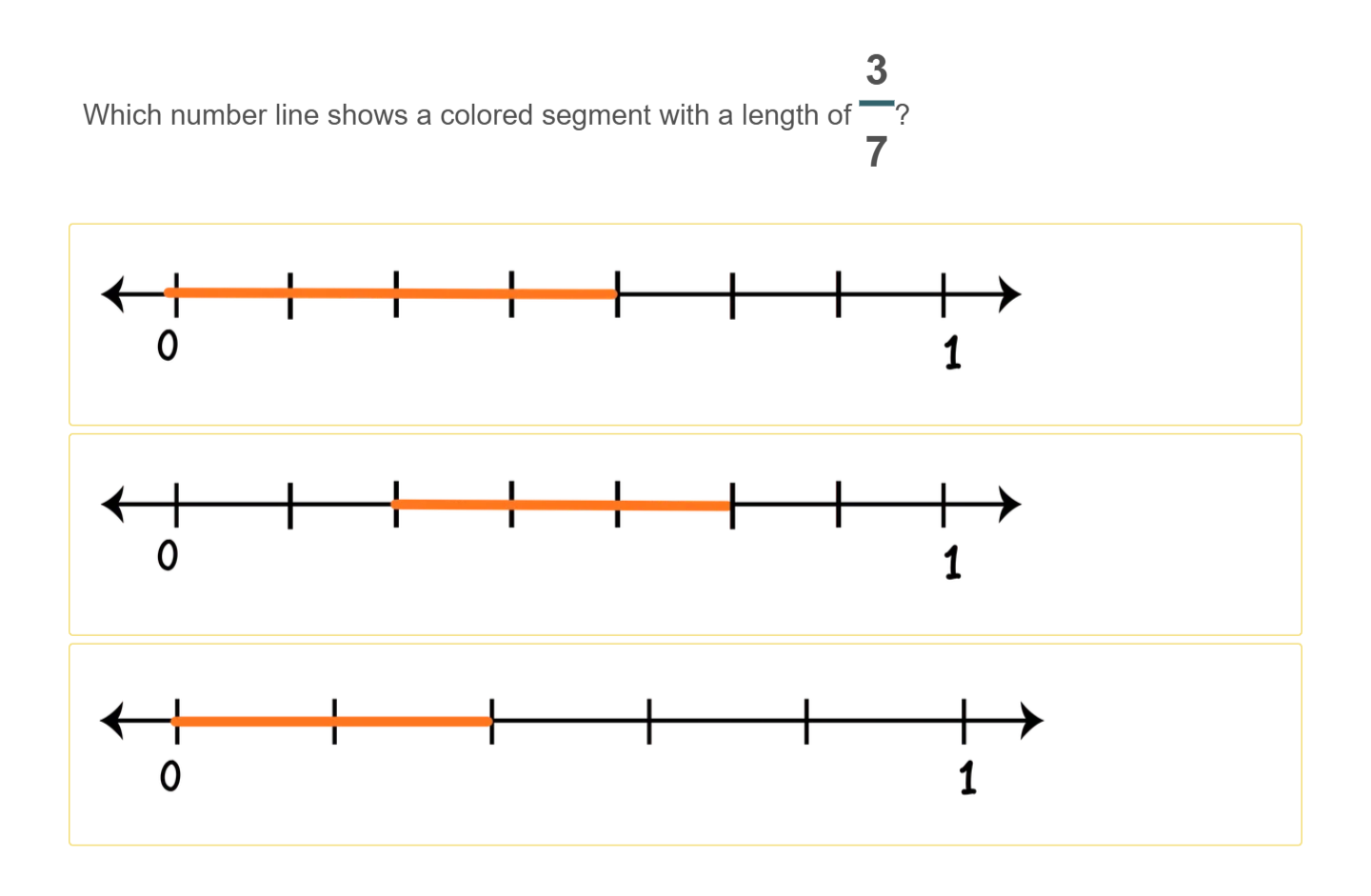
1. Unit fractions on a number line
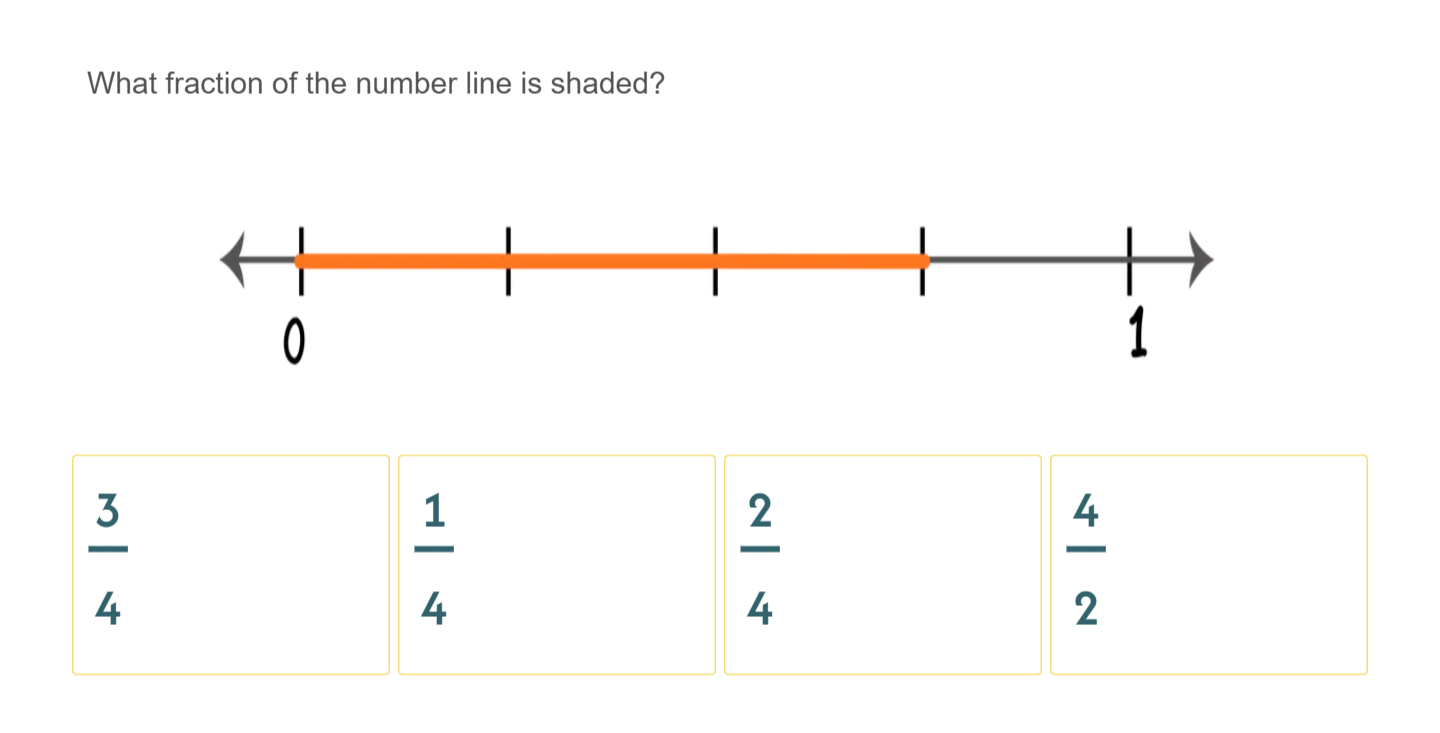
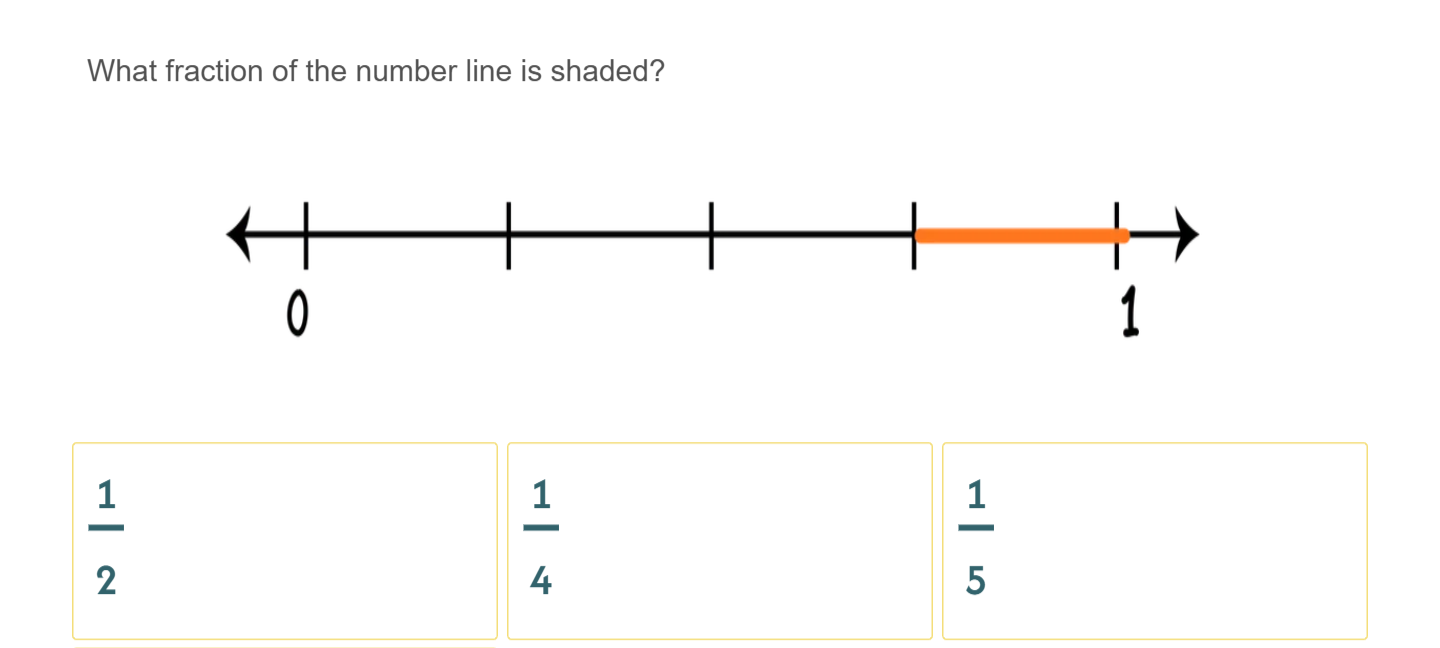
2. Fractions on a number line
3. Match unit fractions to a number line
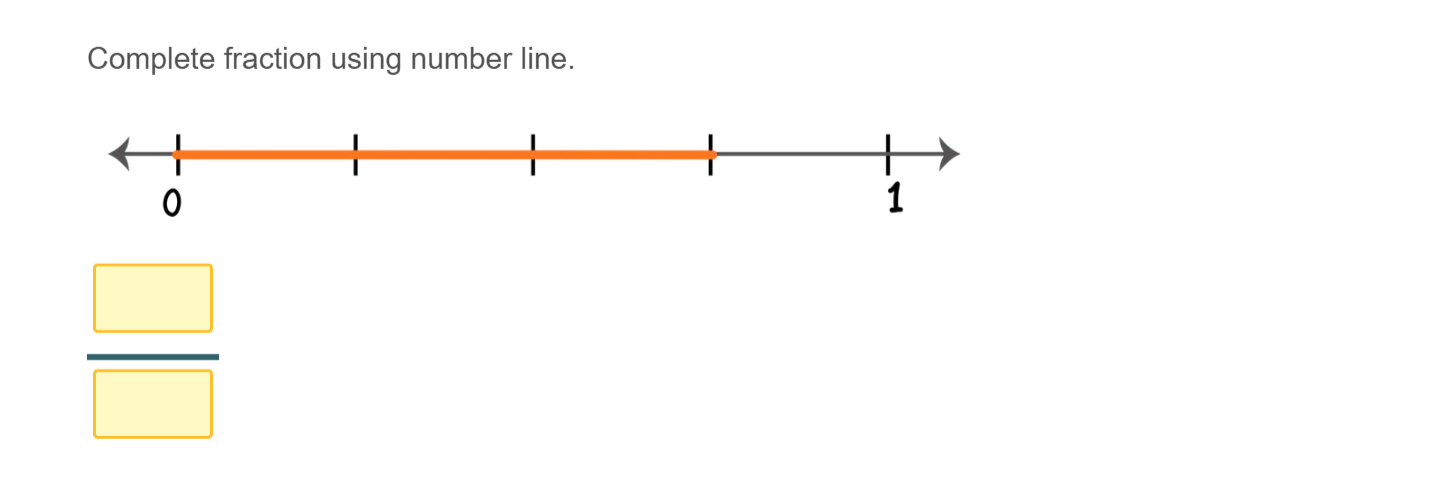
4. Write fractions from a number line
5. Fractions review
X. Equivalent Fractions
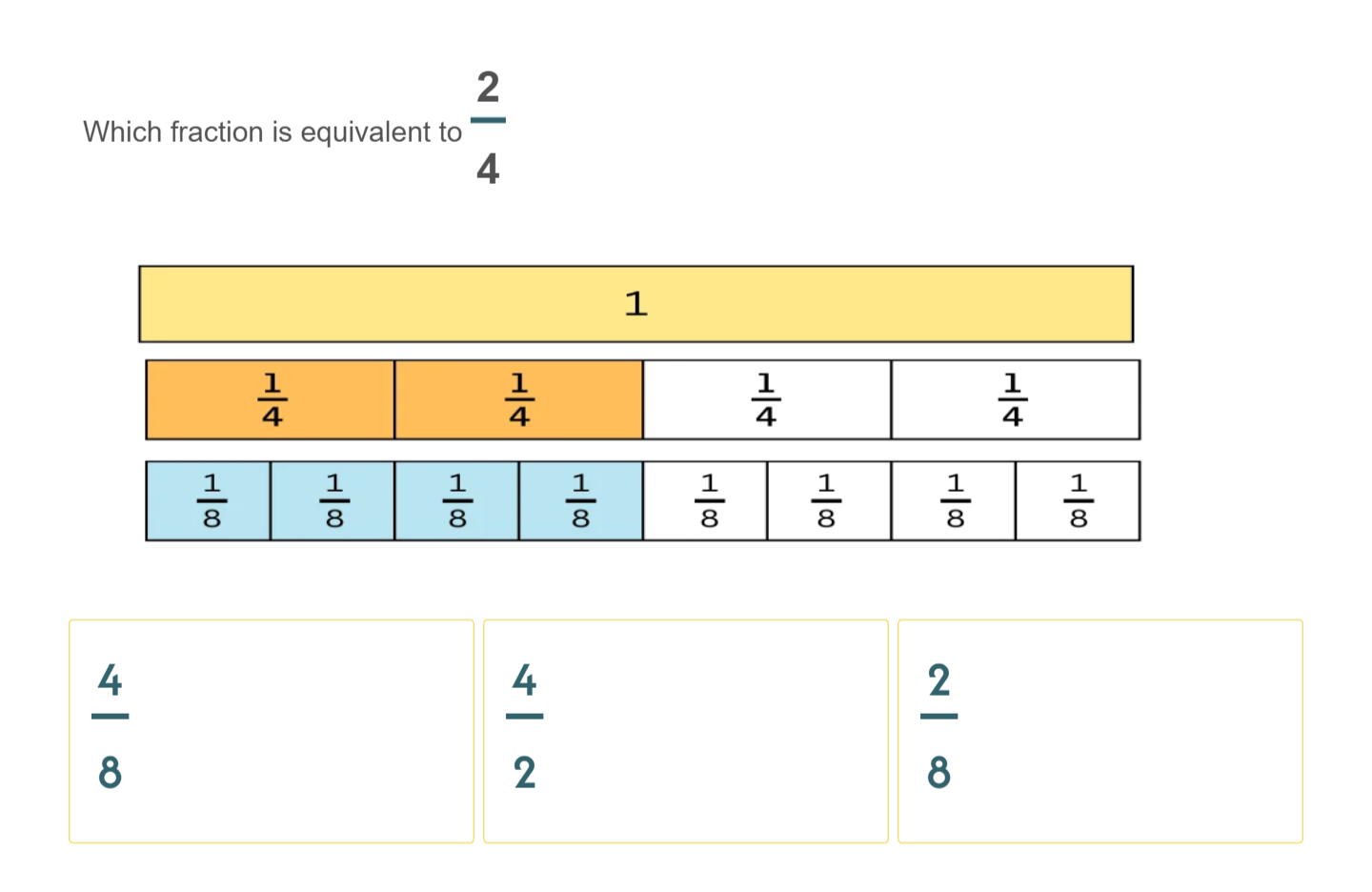
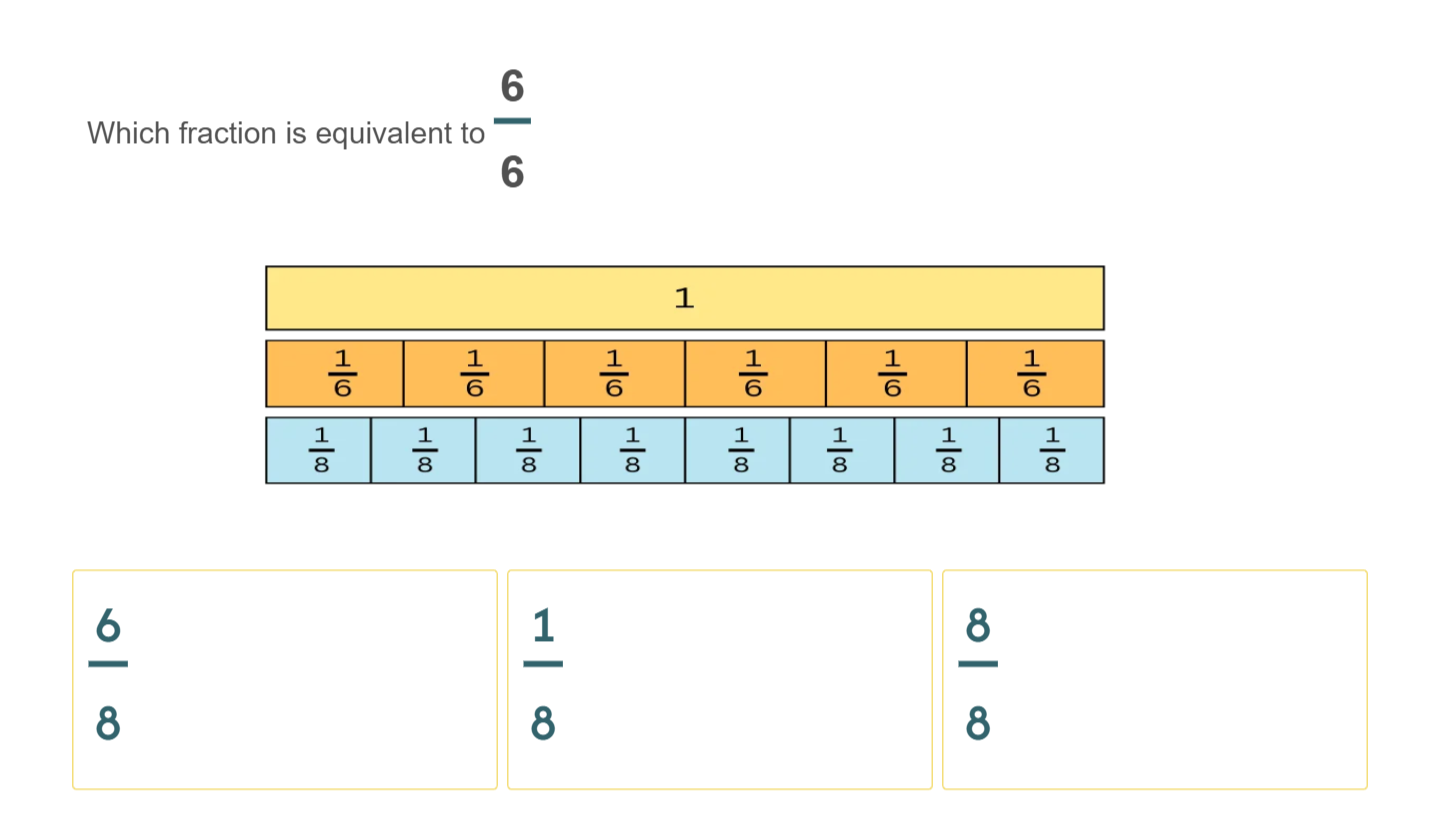
1. Choose equivalent fractions using fraction strips
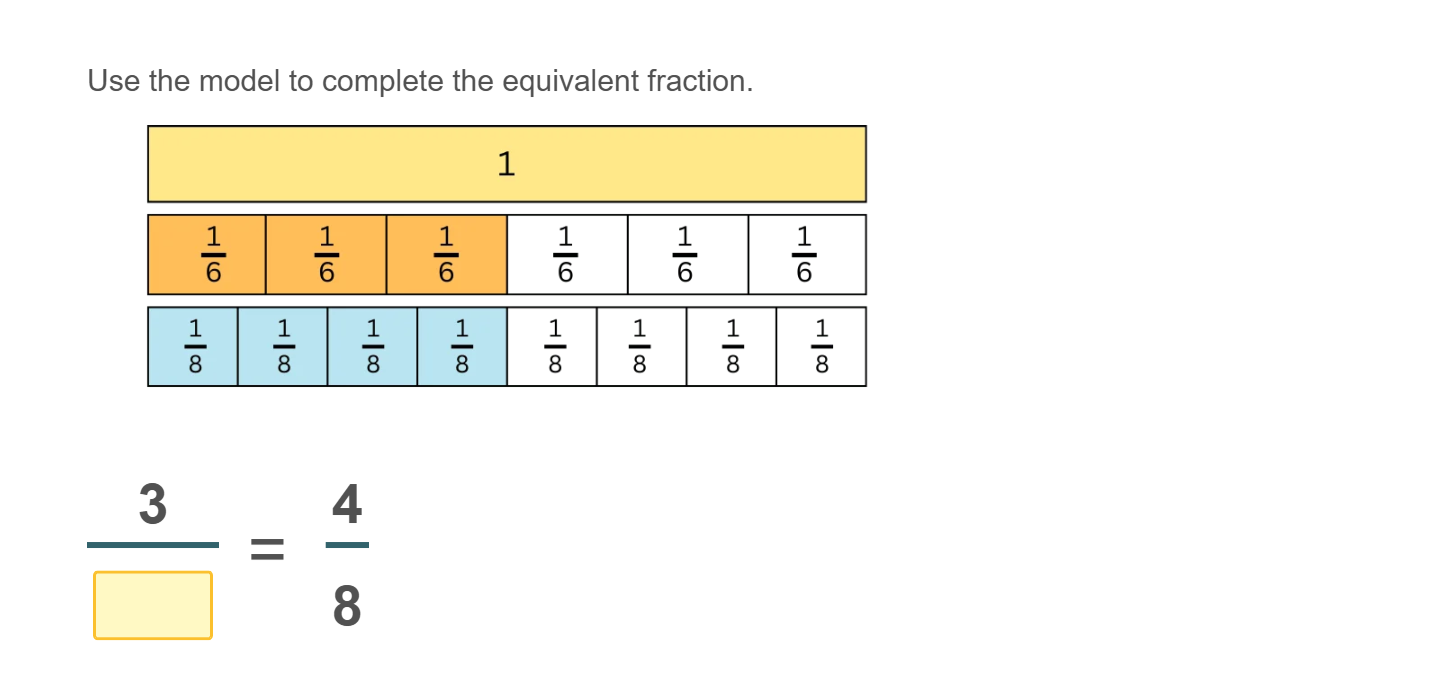
2. Complete equivalent fractions using fraction strips
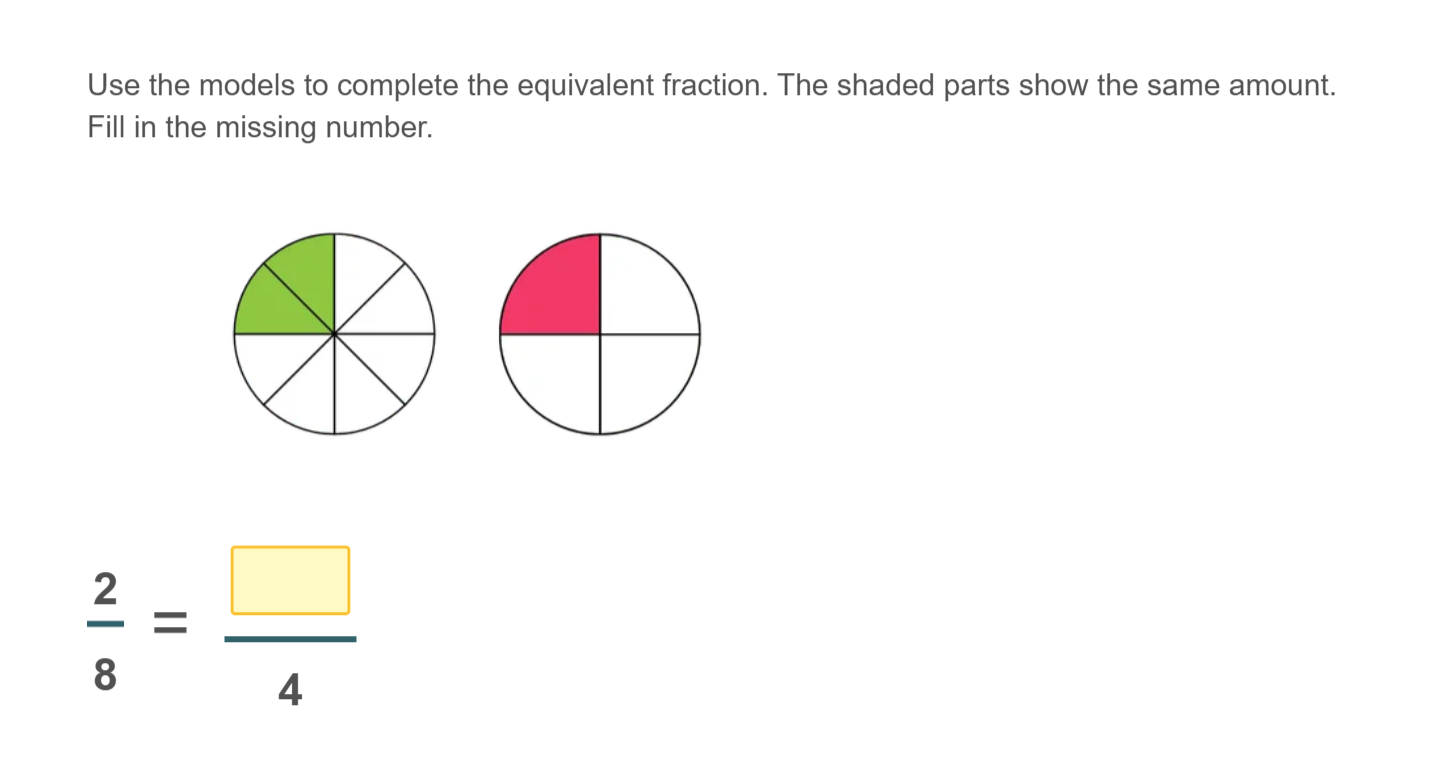
3. Complete equivalent fractions using models
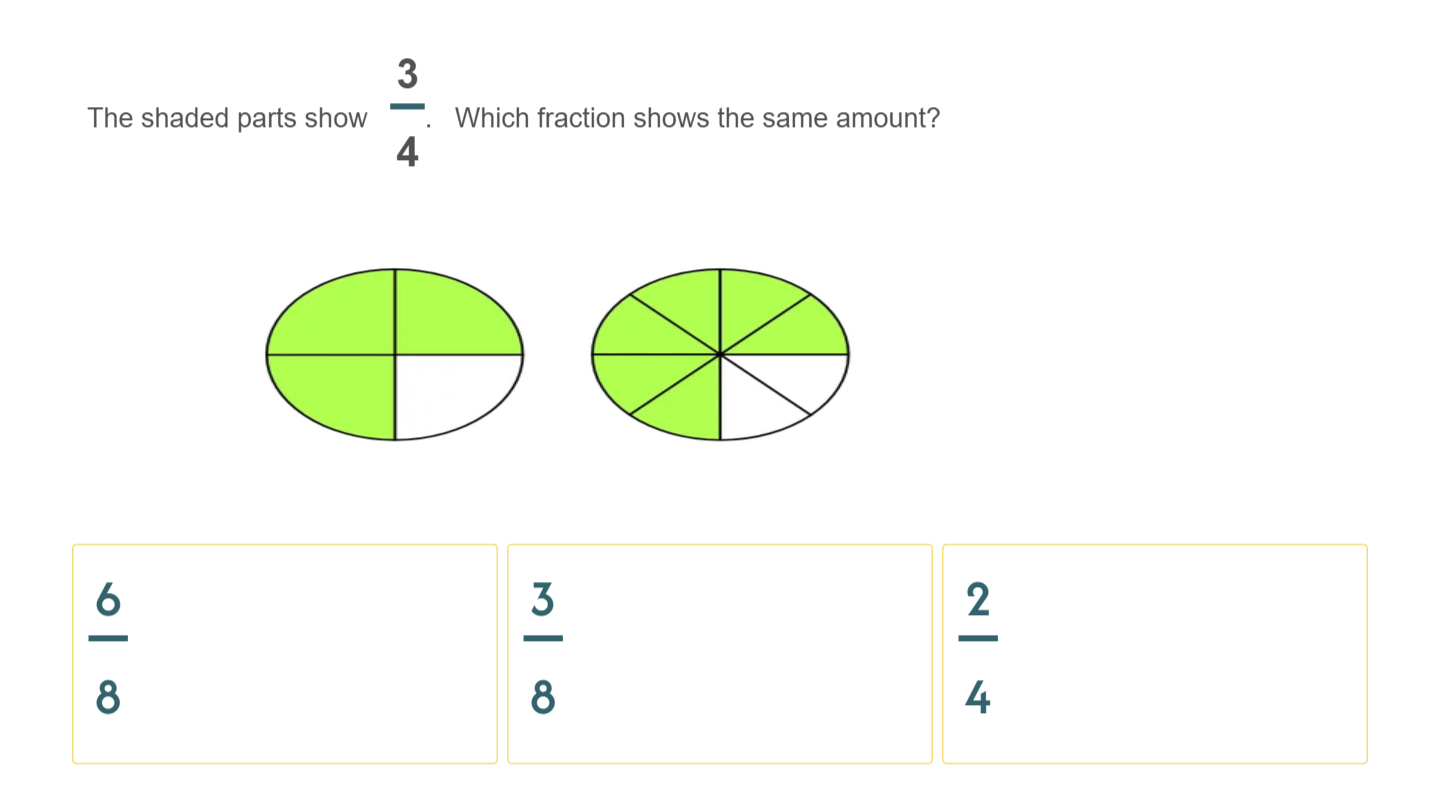
4. Choose equivalent fractions using models
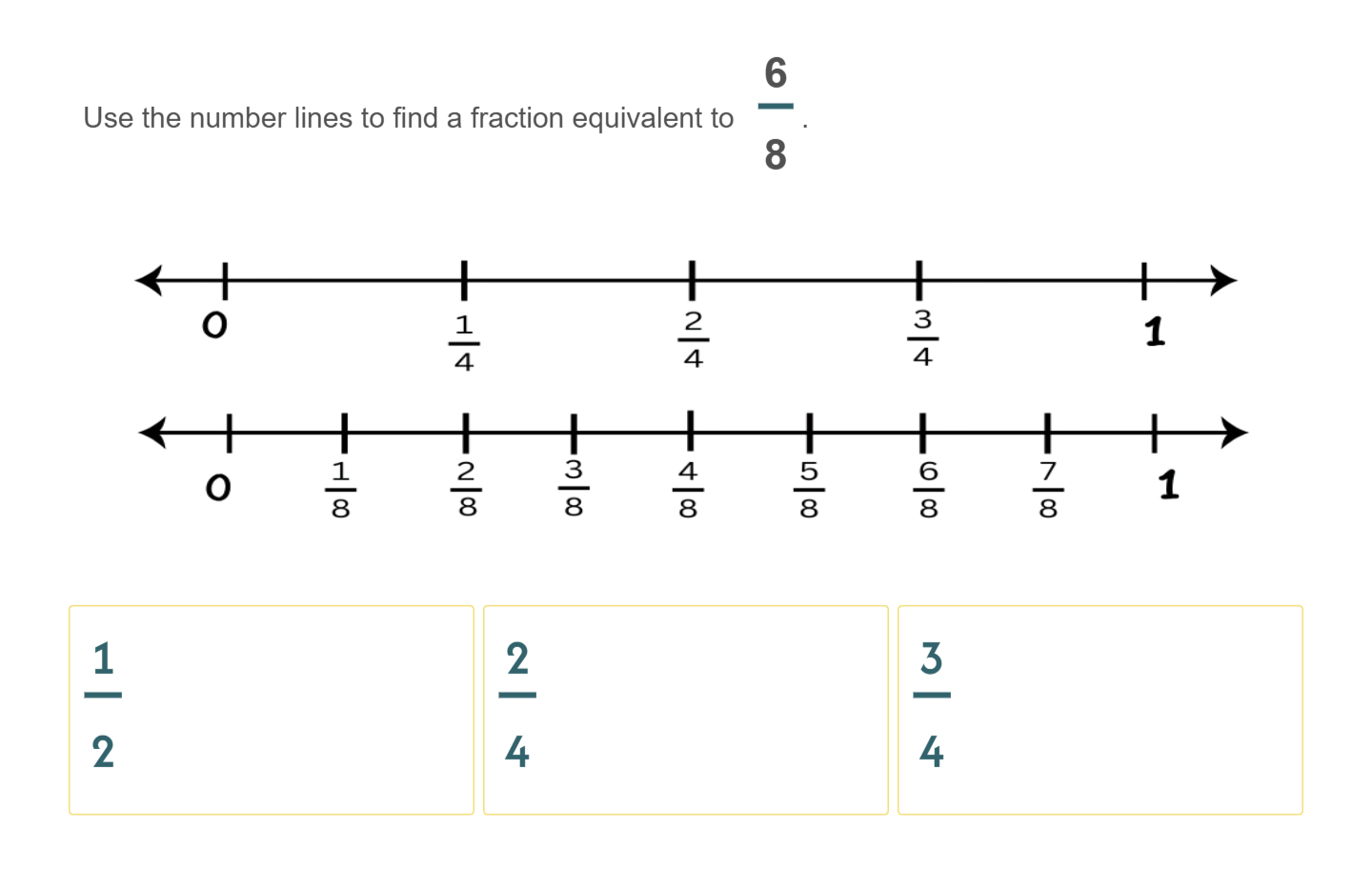
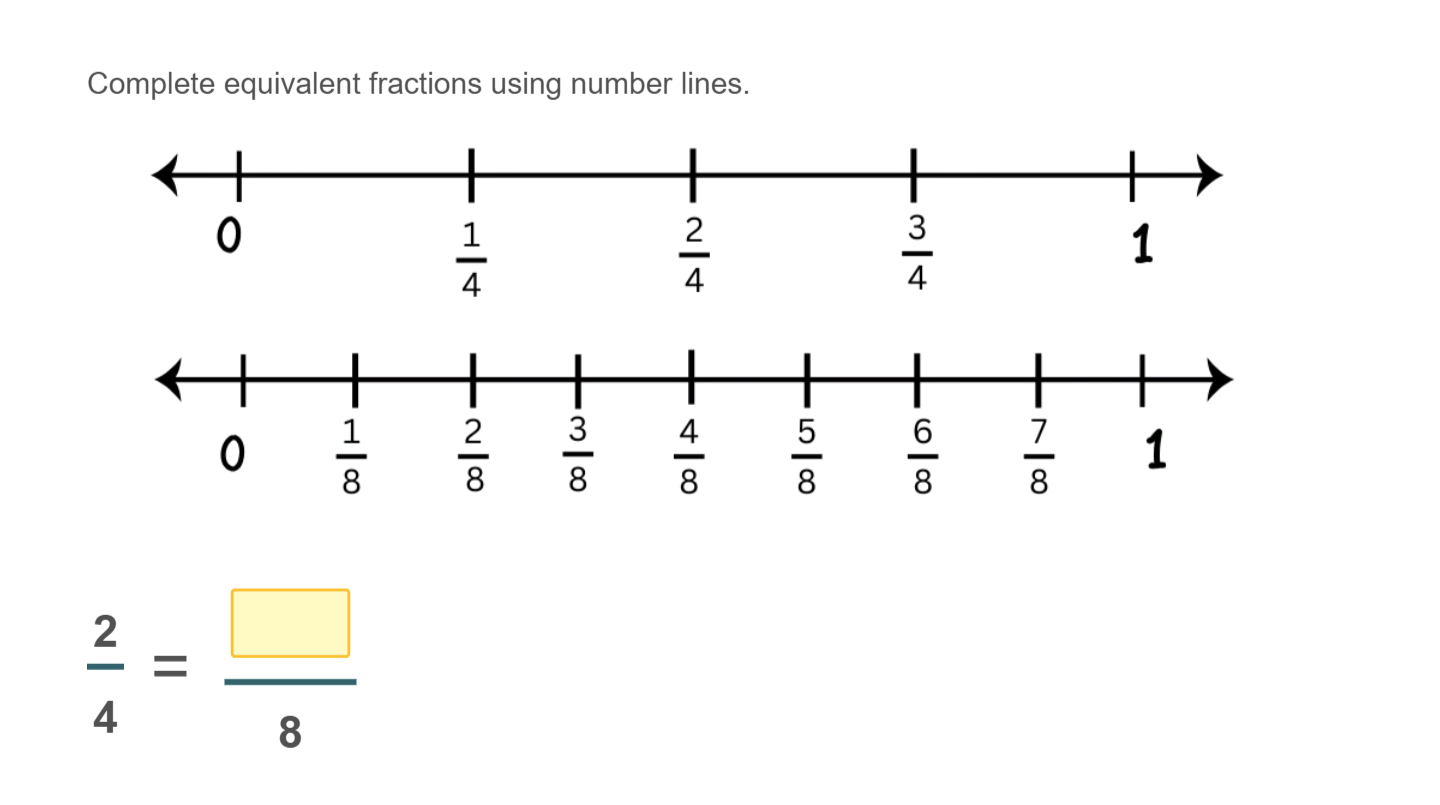
5. Equivalent fractions on a number line
6. Complete equivalent fractions using number lines
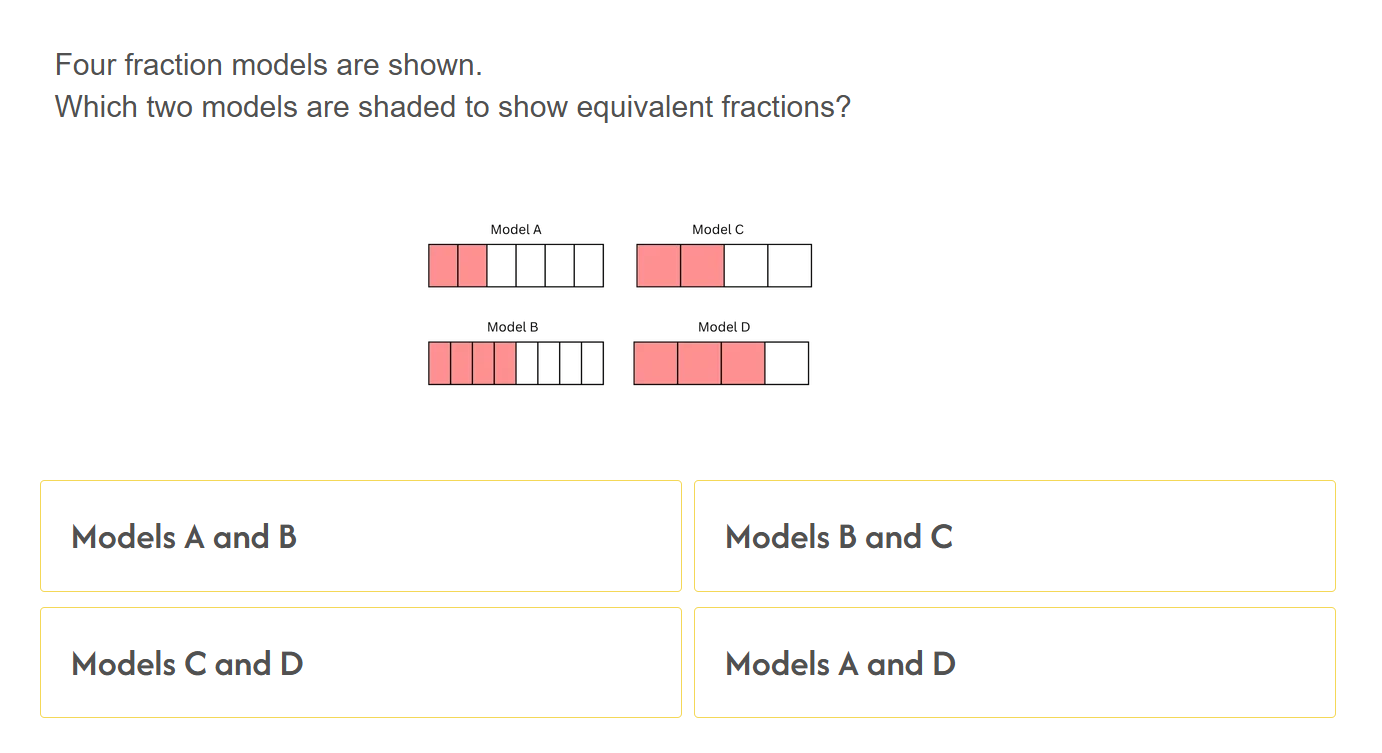
7. Equivalent fractions using models
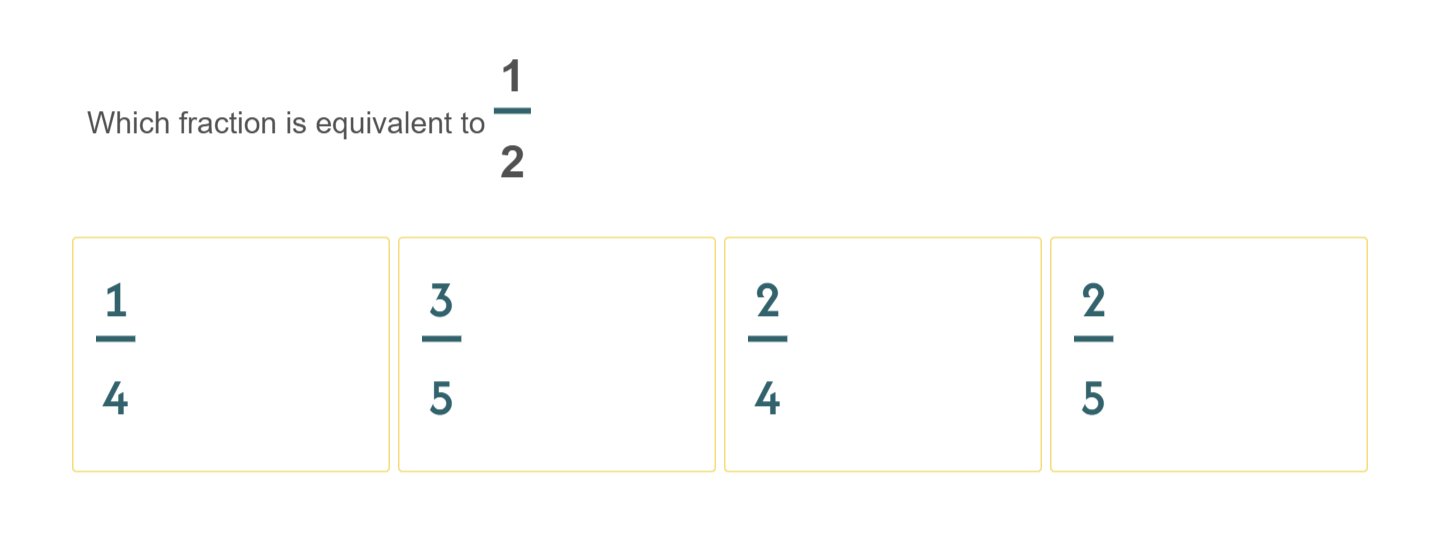
8. Identify equivalent fractions
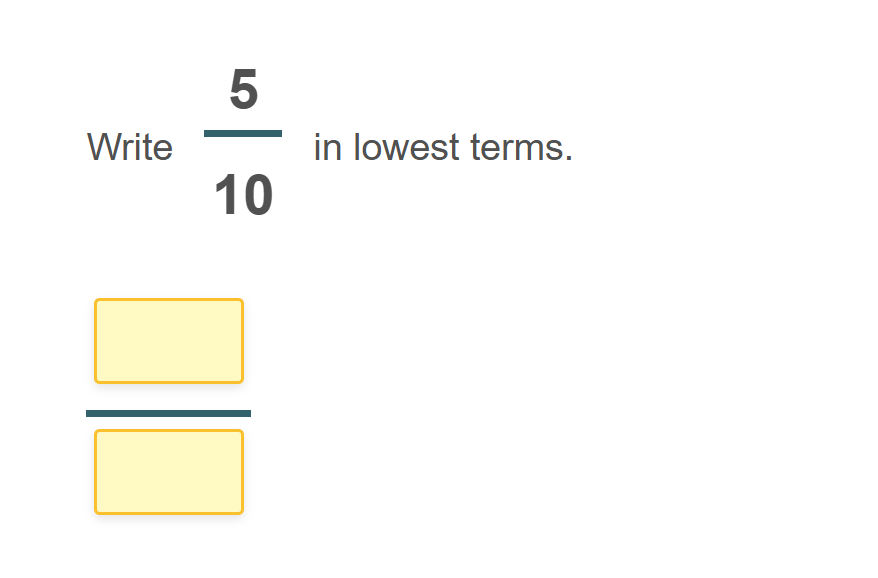
9. Write equivalent fractions in lowest terms
Y. Compare and order fractions
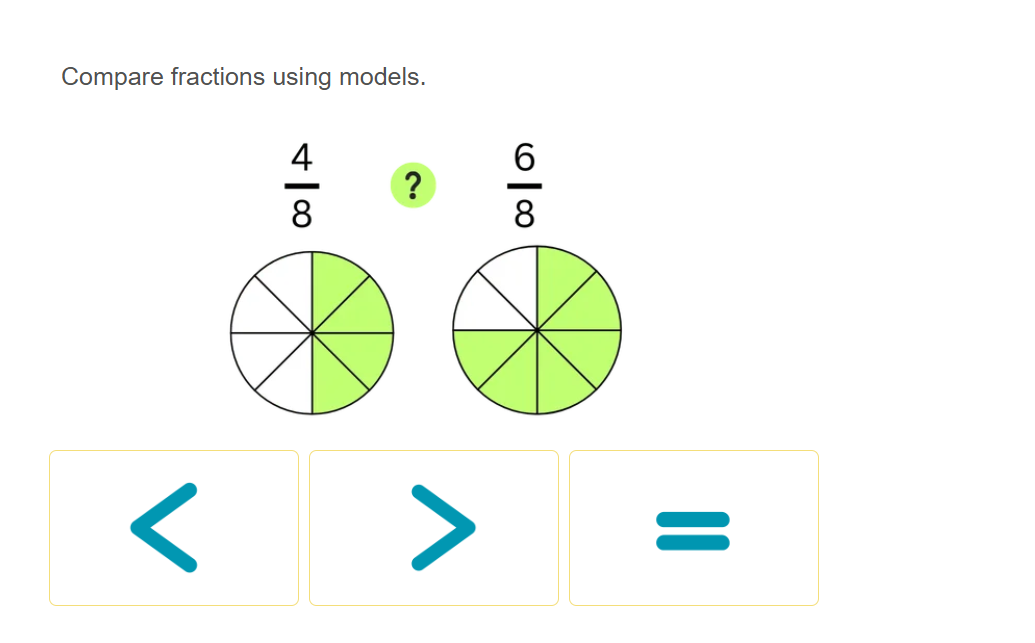
1. Compare fractions with like denominators using models
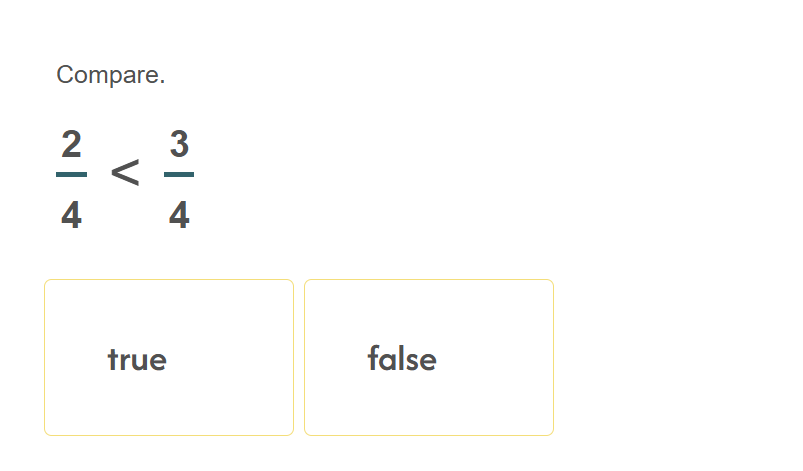
2. Compare fractions with like denominators
3. Compare fractions with like numerators using models
4. Compare fractions with like numerators
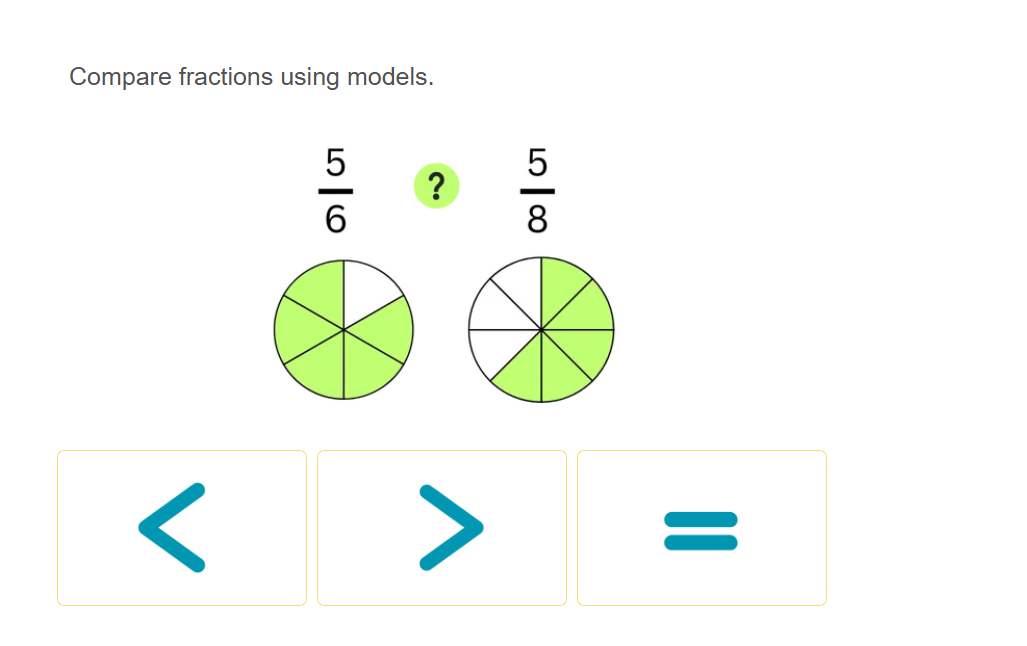
5. Compare fractions with like numerators or denominators using models
6. Compare fractions with like numerators or denominators
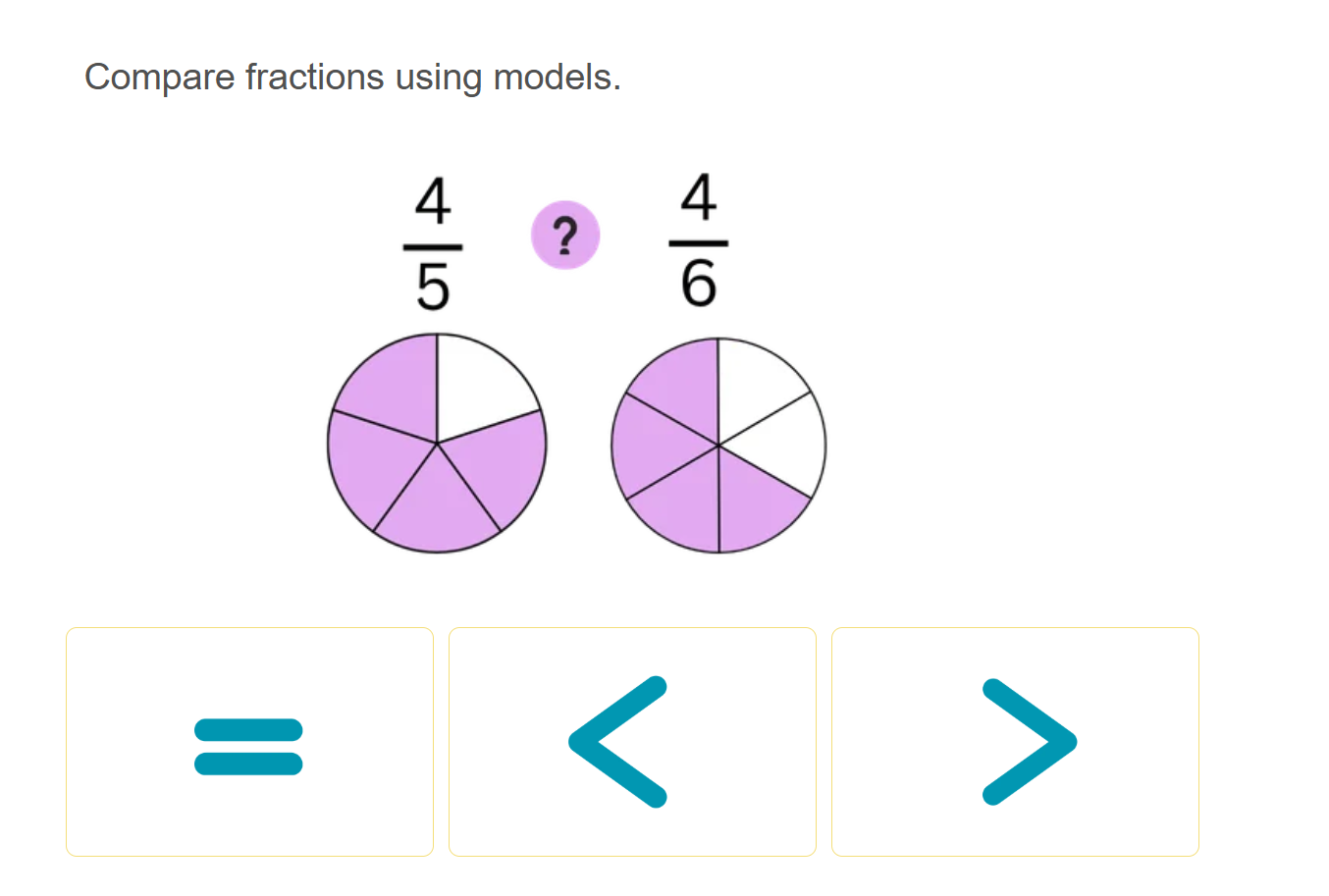
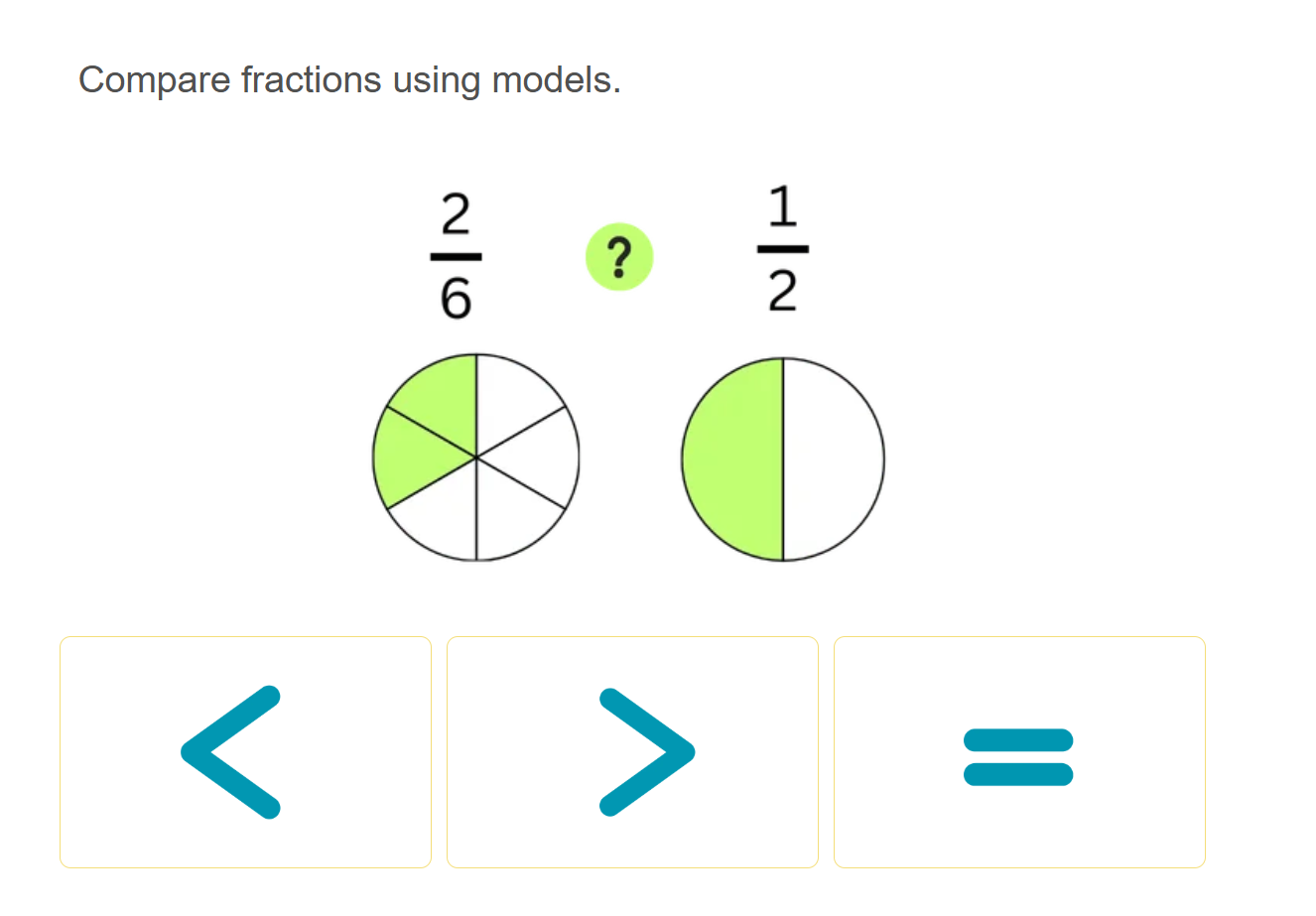
7. Compare fractions with models
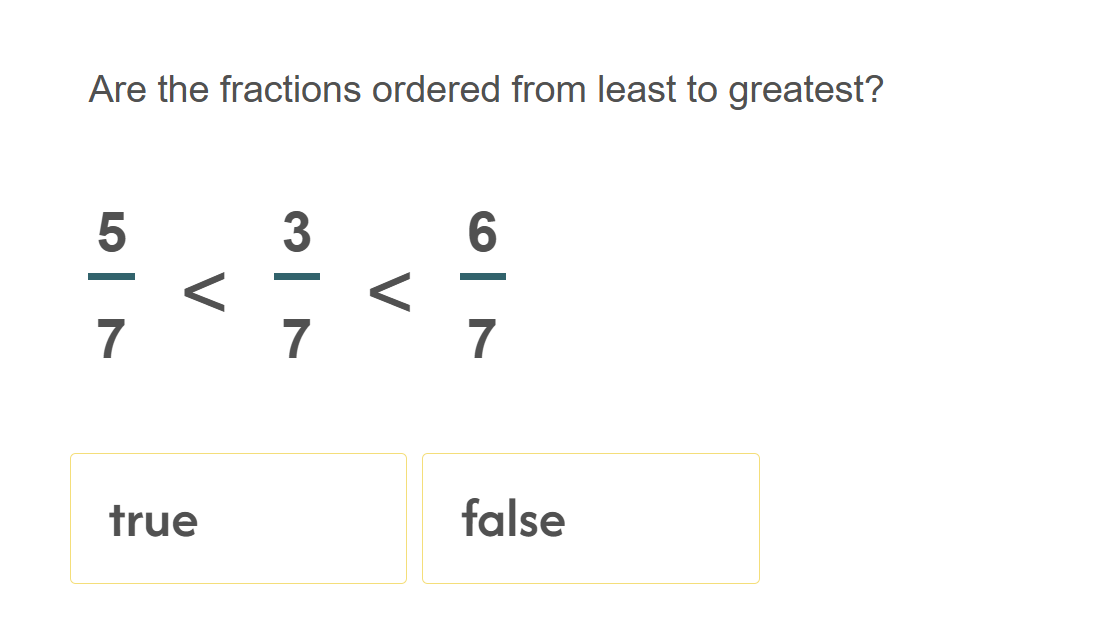
8. Order fractions with same denominators
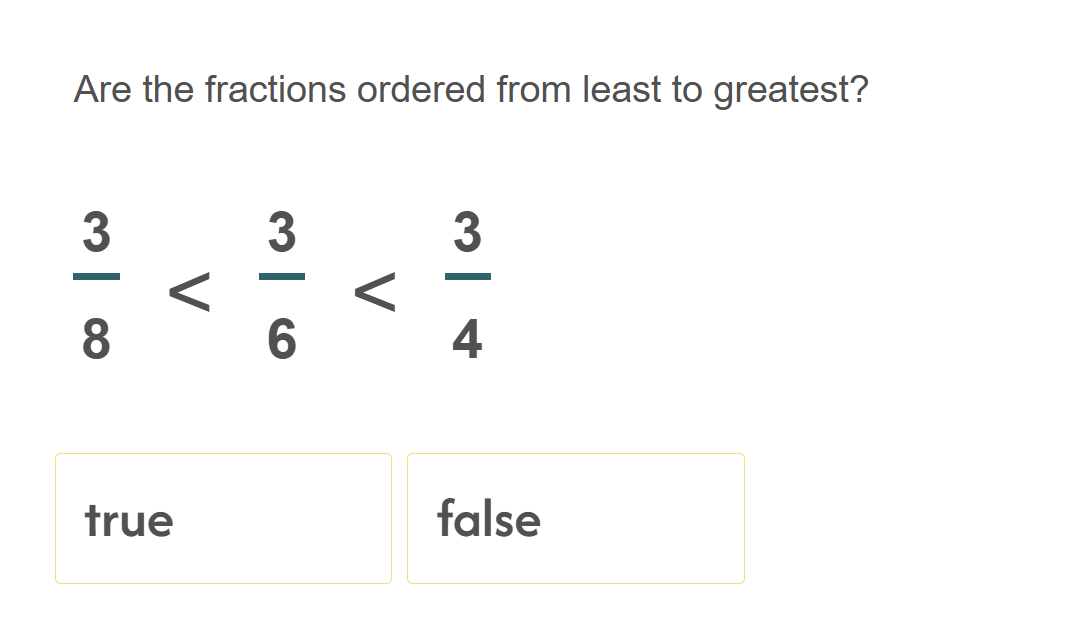
9. Order fractions with same numerators
Z. Fractions: word problems
1. Parts of a group and equal shares
2. Equal shares and equivalent fractions
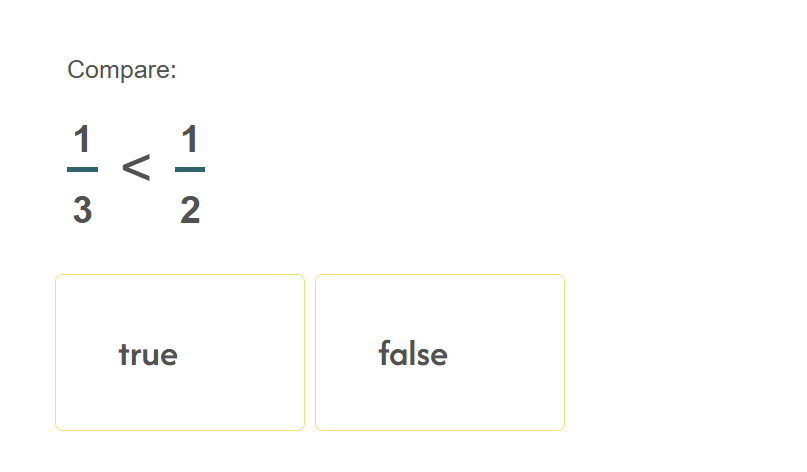
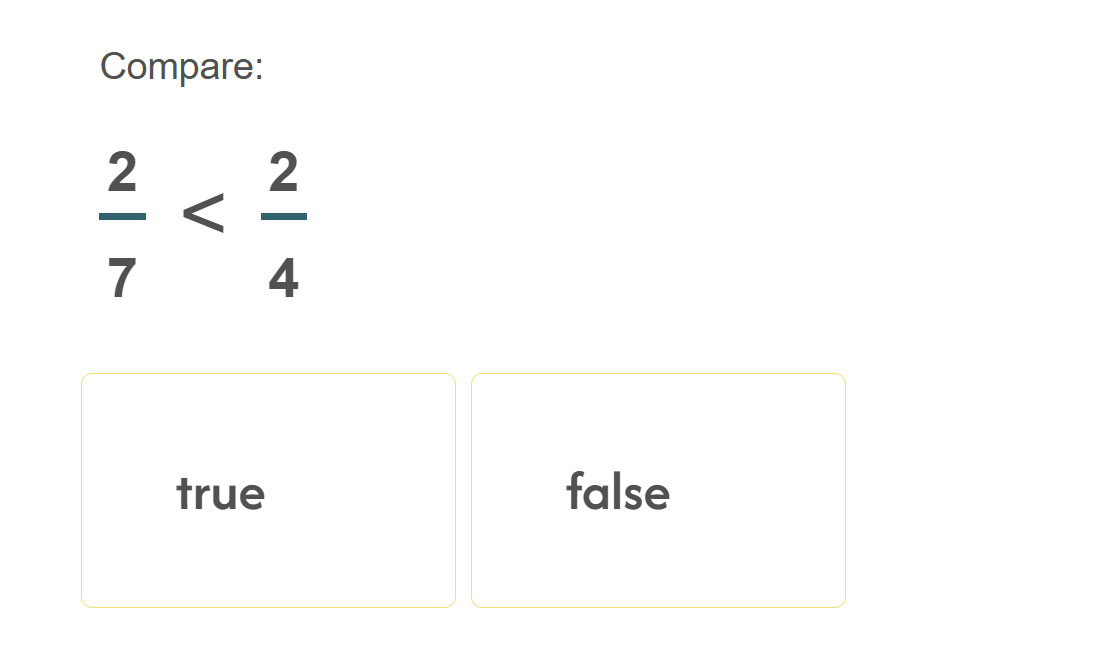
3. Compare fractions
4. Solve fractions word problems
AA. Lines, angles and Polygons
1. Rays, lines and line segments
2. Parallel, perpendicular and intersecting lines
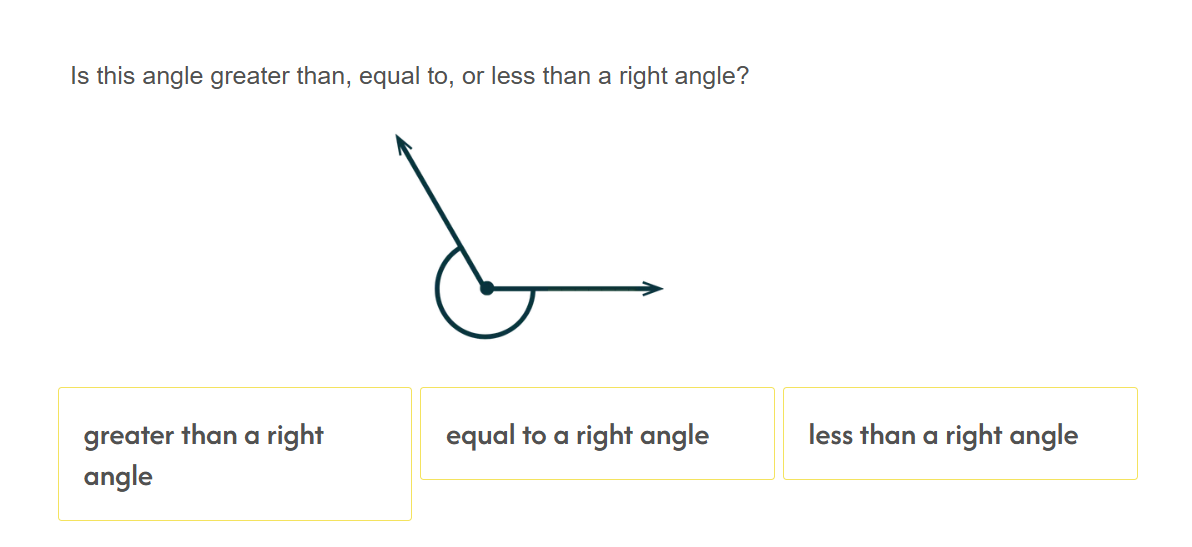
3. Angles greater than, less than or equal to a right angle
BB. Quadrilaterals
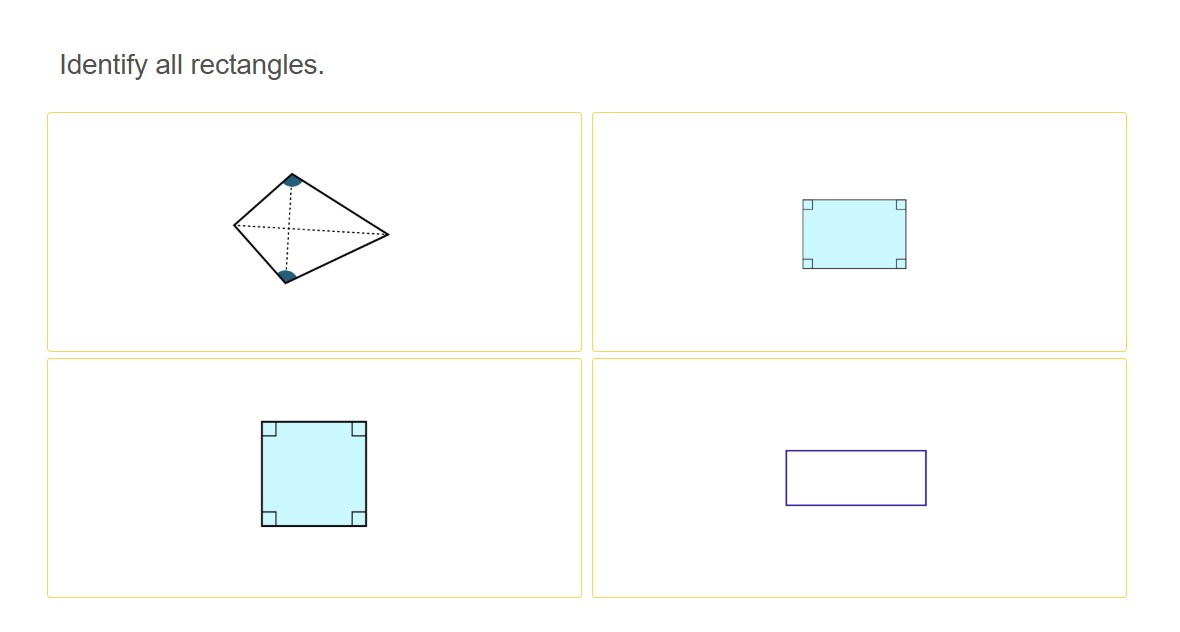
1. Rectangles
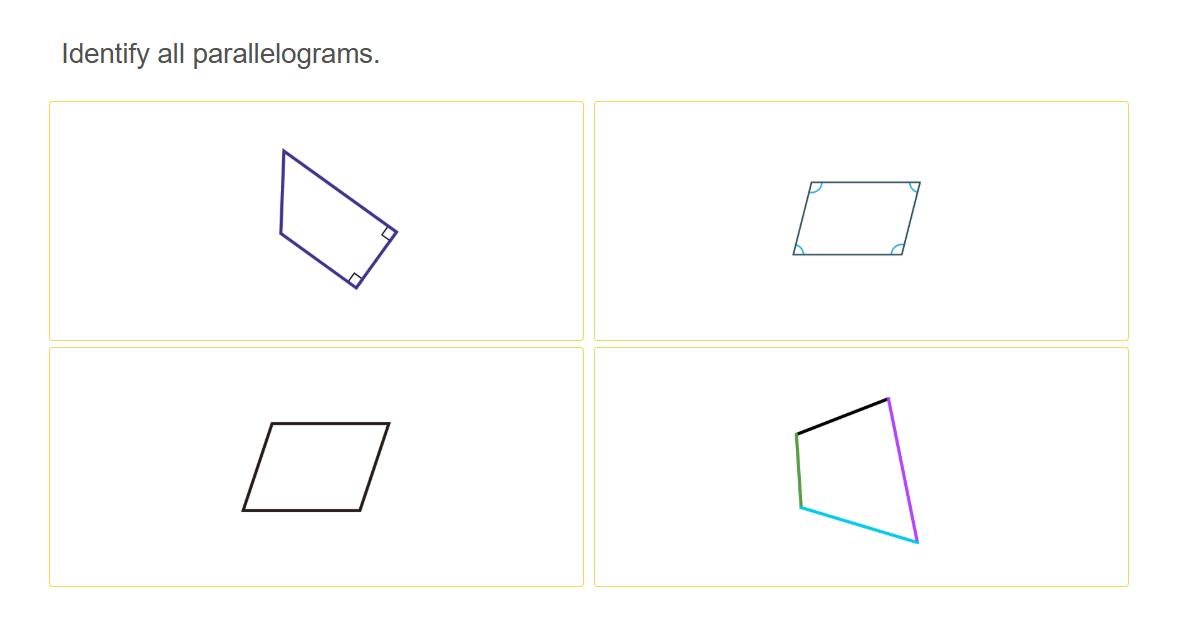
2. Parallelograms
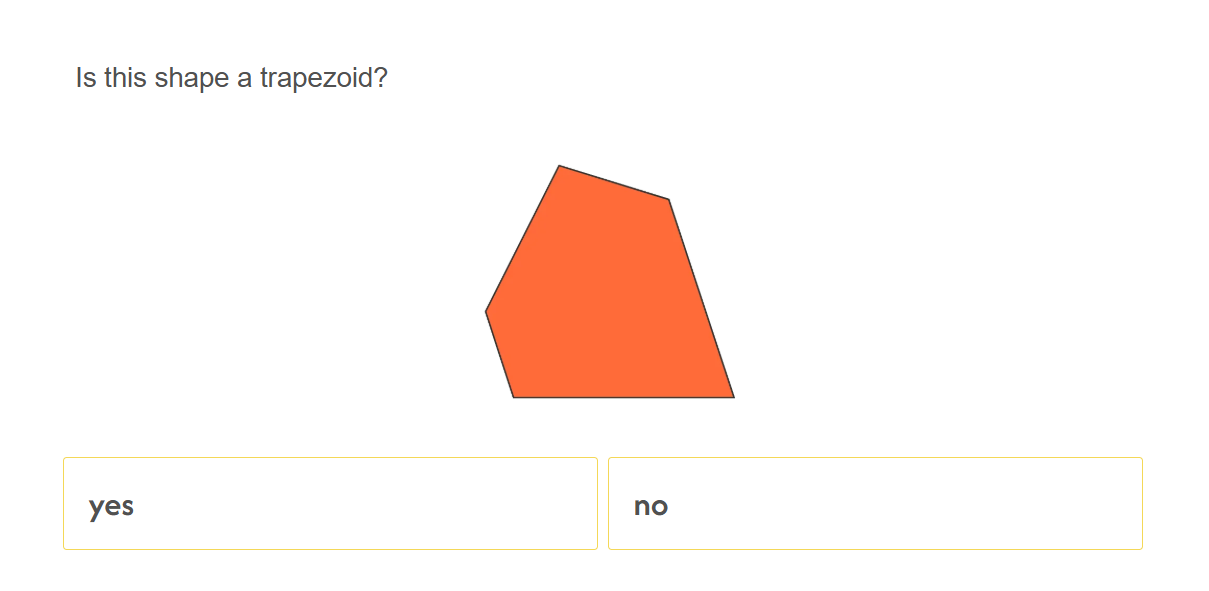
3. Trapezoids
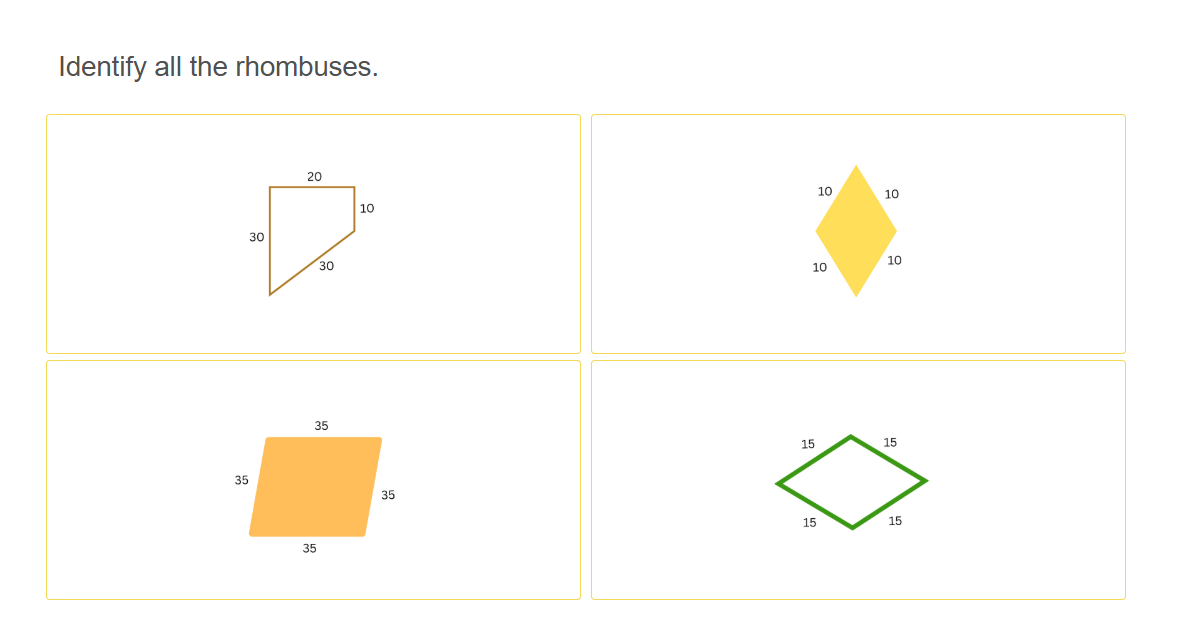
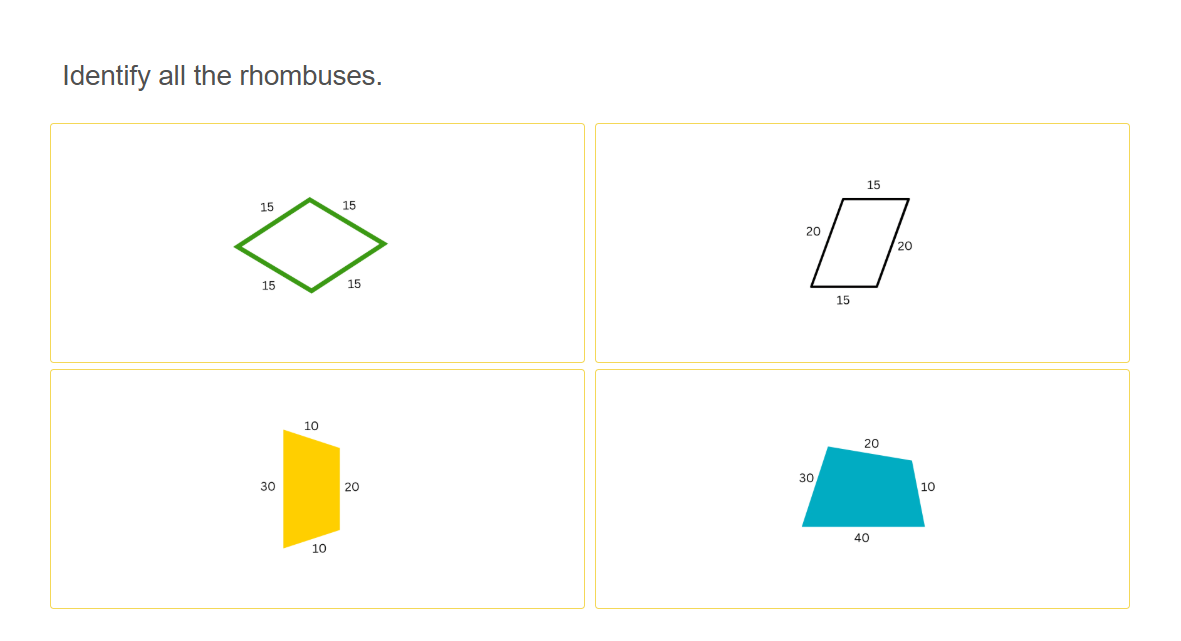
4. Rhombuses
5. Quadrilaterals
6. Properties of quadrilaterals
CC. Measurement: Customary units
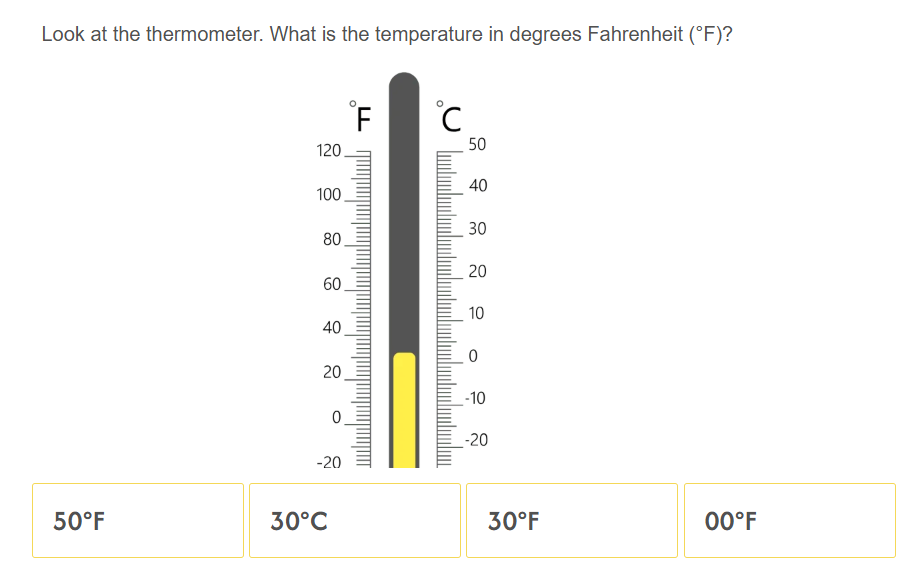
1. Read Fahrenheit thermometers
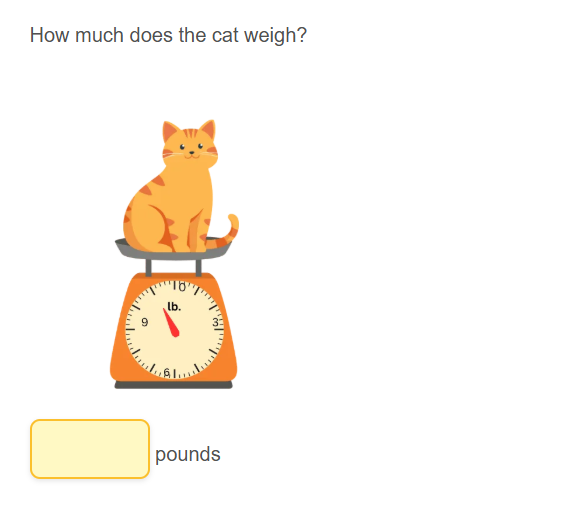
2. Read a scale: pounds and ounces
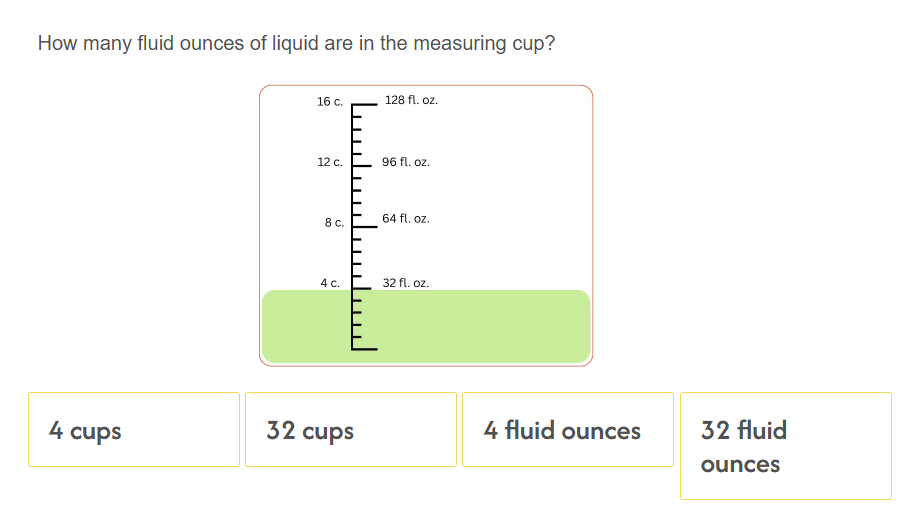
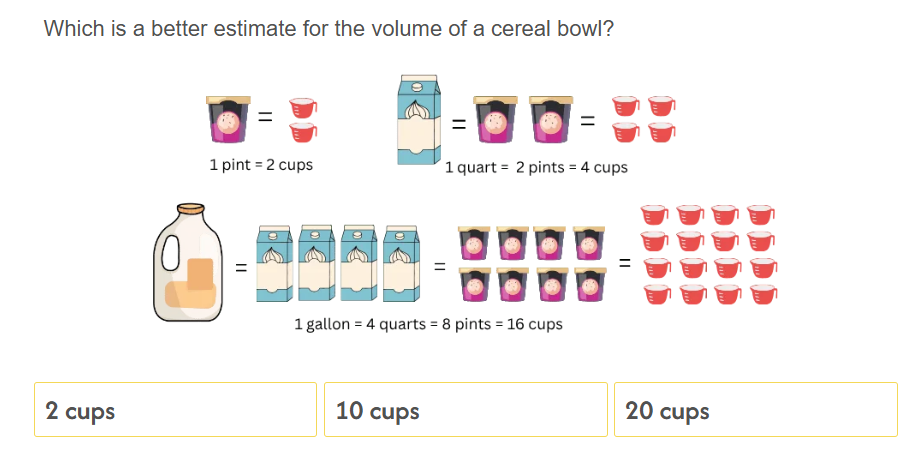
3. Measure liquid volumes: cups, pints, quarts, and gallons
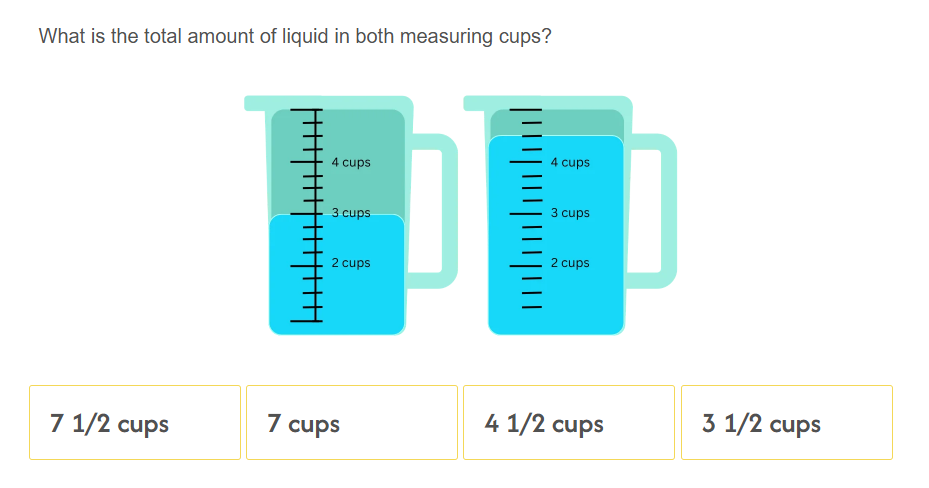
4. Measure liquid volumes: half and quarter cups
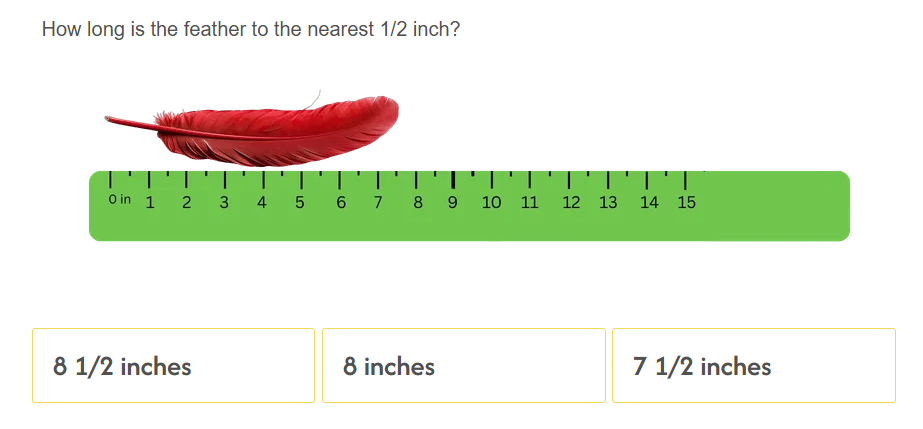
5. Measure length to the nearest 1/4 inch
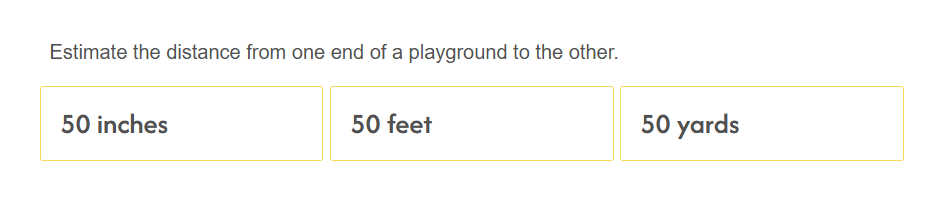
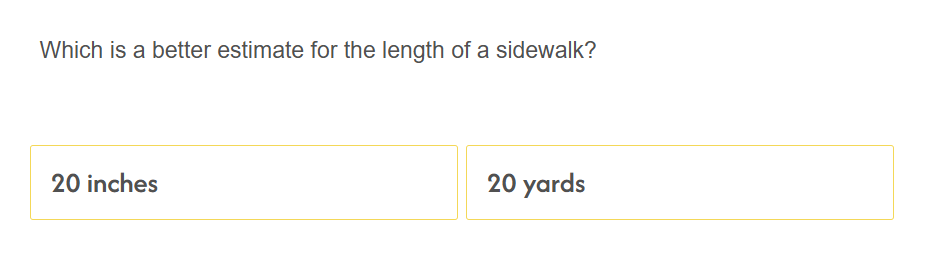
6. Estimate lengths with inches, feet, and yards
7. Choose the correct customary unit of length
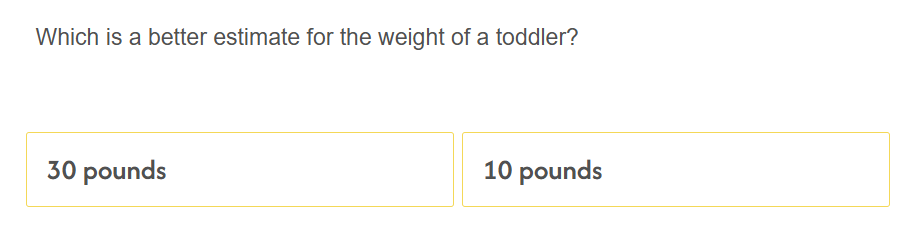
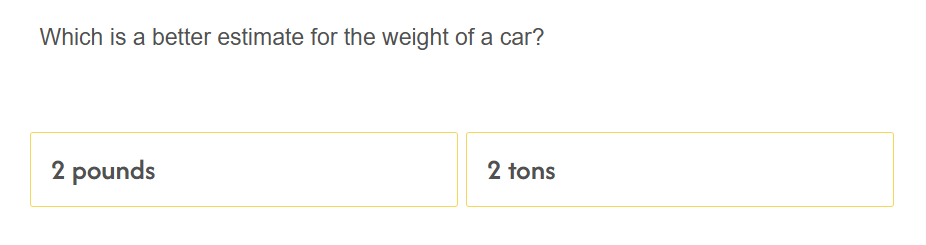
8. Choose the correct customary unit of weight
9. Choose the correct customary unit of capacity
10. Choose the appropriate customary unit
DD. Measurement: Metric units
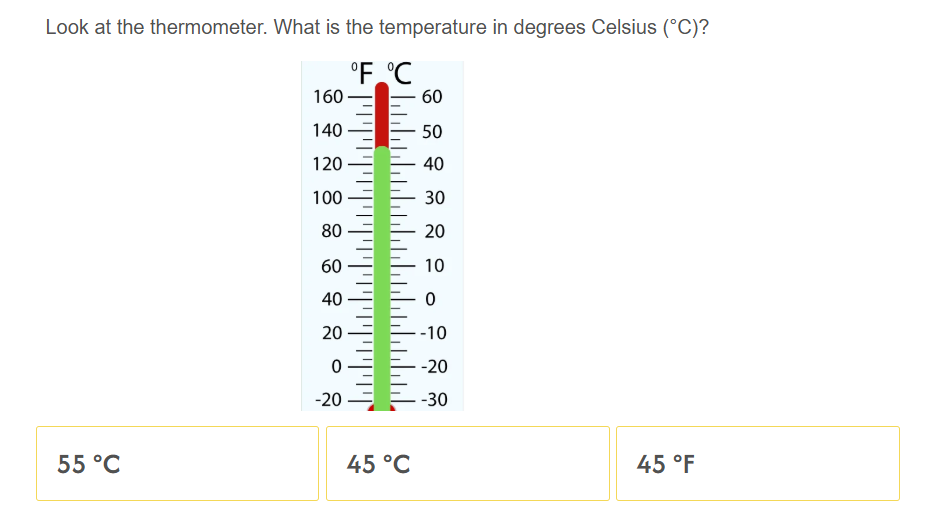
1. Read a Celsius thermometers
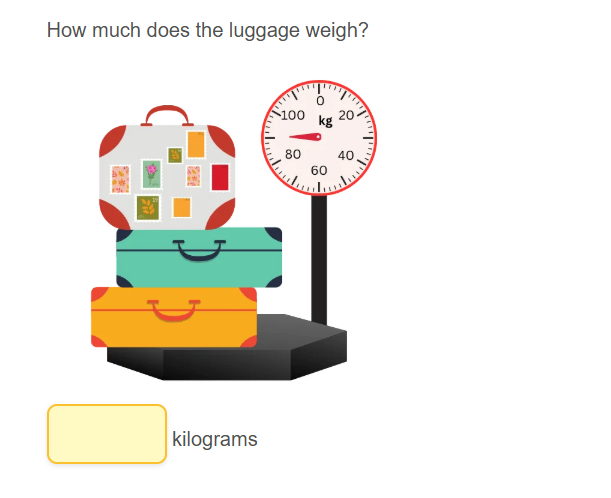
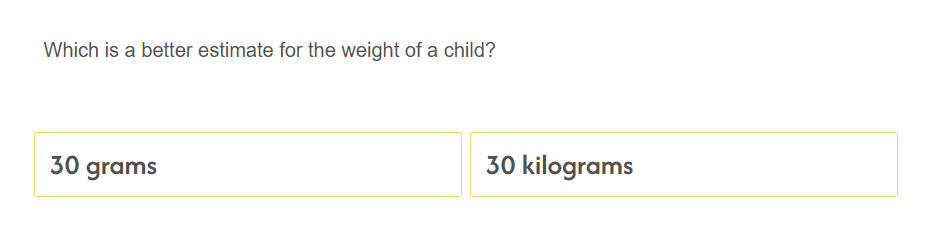
2. Read a scale: grams and kilograms
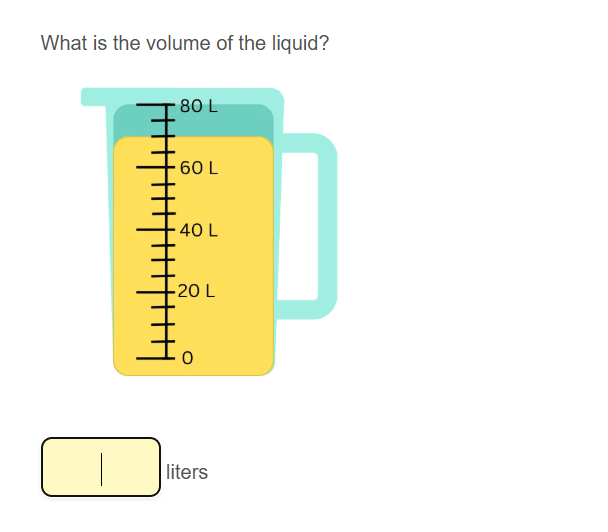
3. Measure liquid volumes: milliliters and liters
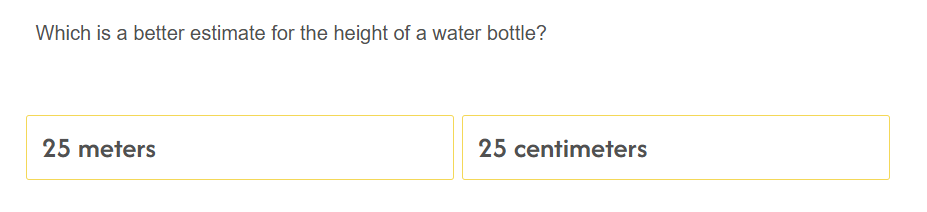
4. Estimate lengths with centimeters and meters
5. Choose the correct metric unit of length
6. Choose the correct metric unit of weight
7. Choose the correct metric unit of volume
EE. Time
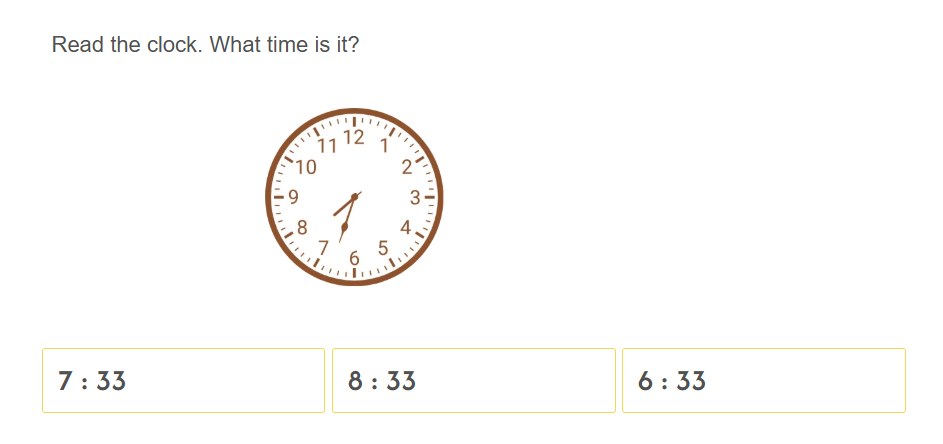
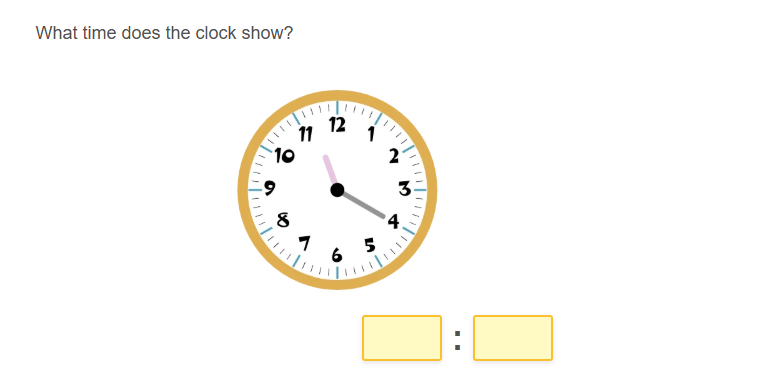
1. Tell time on analog clocks
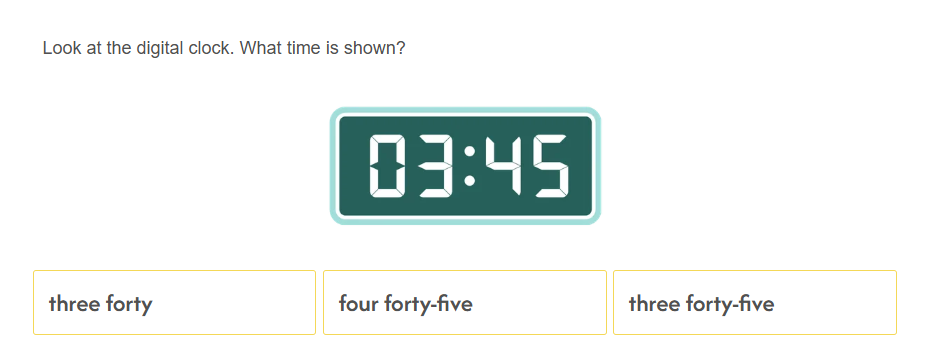
2. Match digital time to words
3. Read a clock
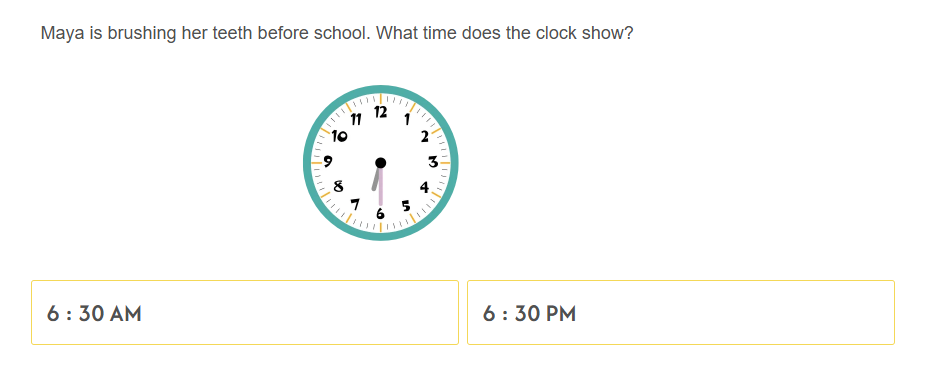
4. A.M. or P.M.
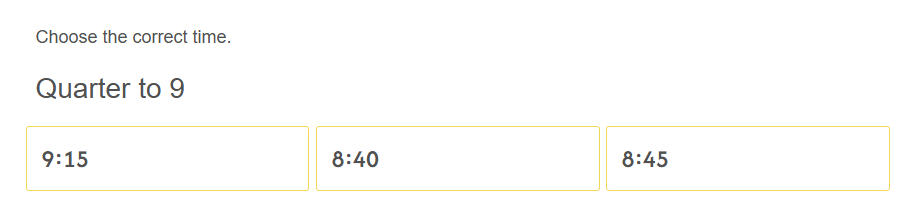
5. Time phrases
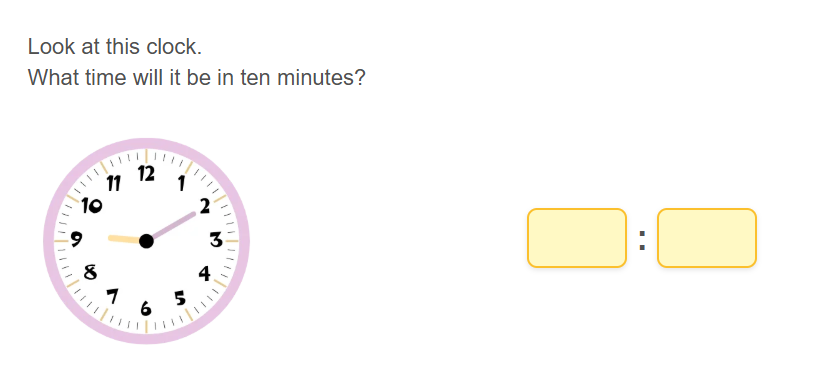
6. Find the end time
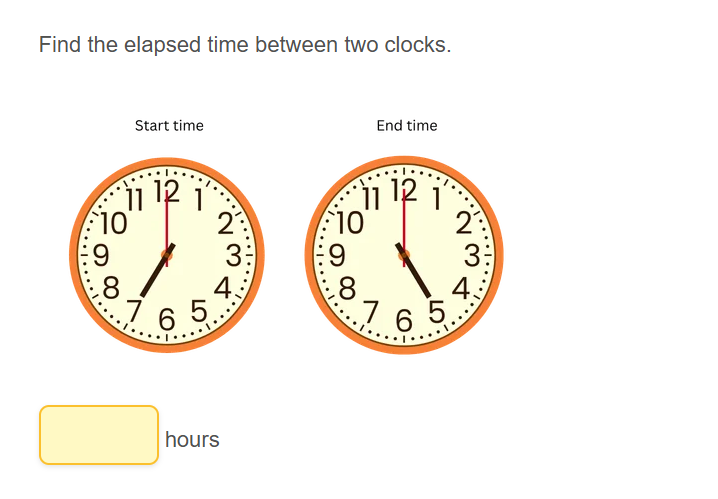
7. Find the elapsed time (hours)
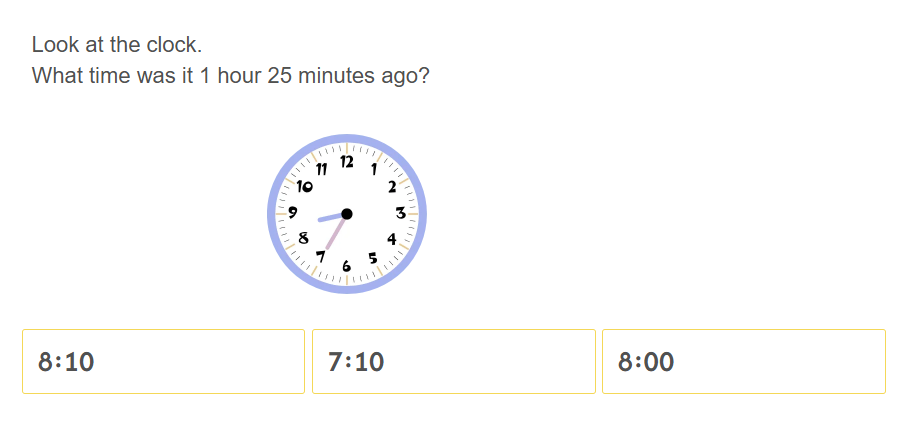
8. Elapsed time: forward and backward
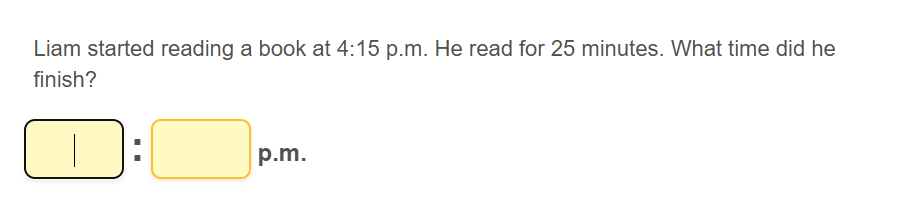
9. Find the end time: word problems
10. Find the elapsed time: word problems
11. Find the start time: word problems
12. Find the start time, end time, or elapsed time: word problems
FF. Data and graphs
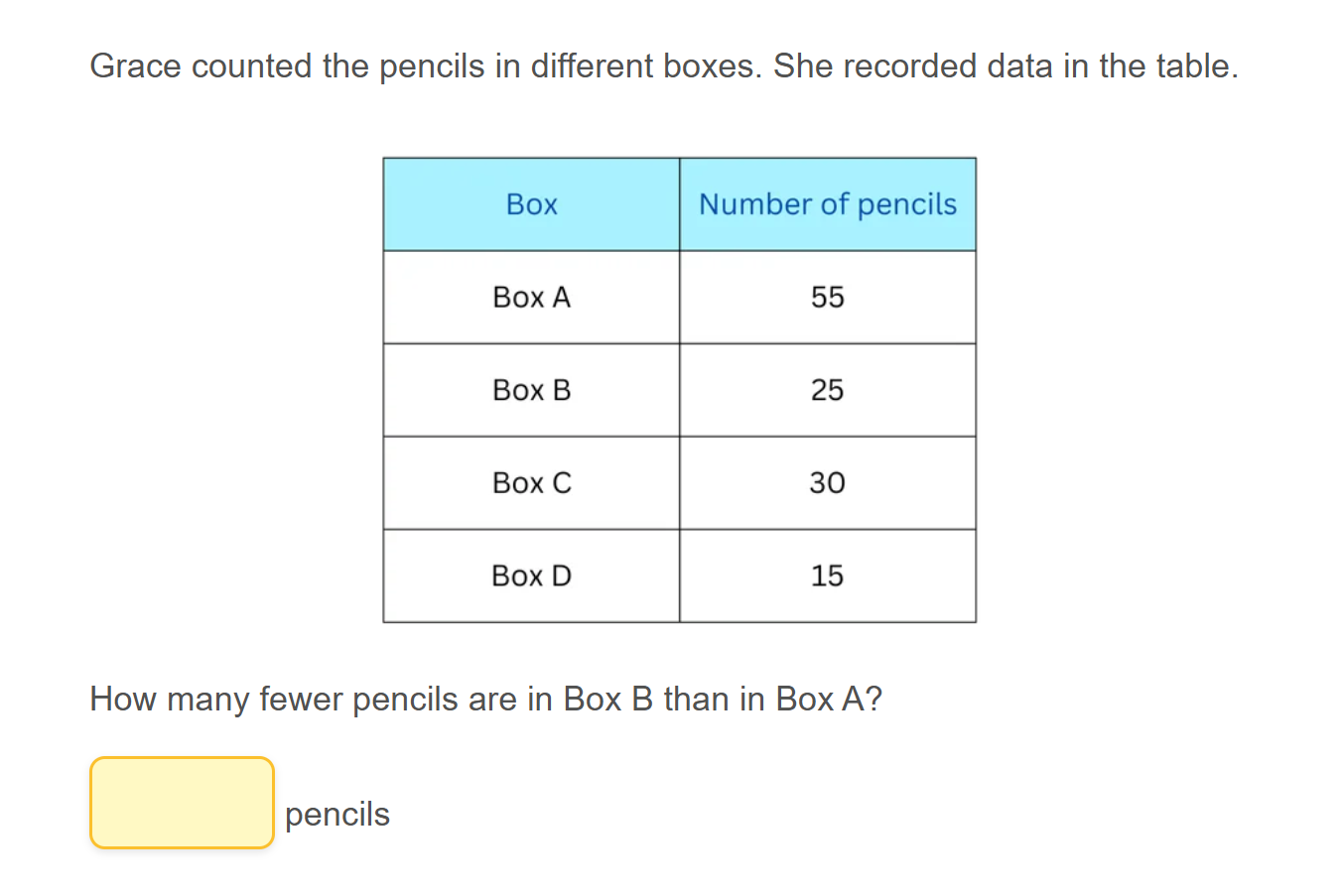
1. Interpret data in tables
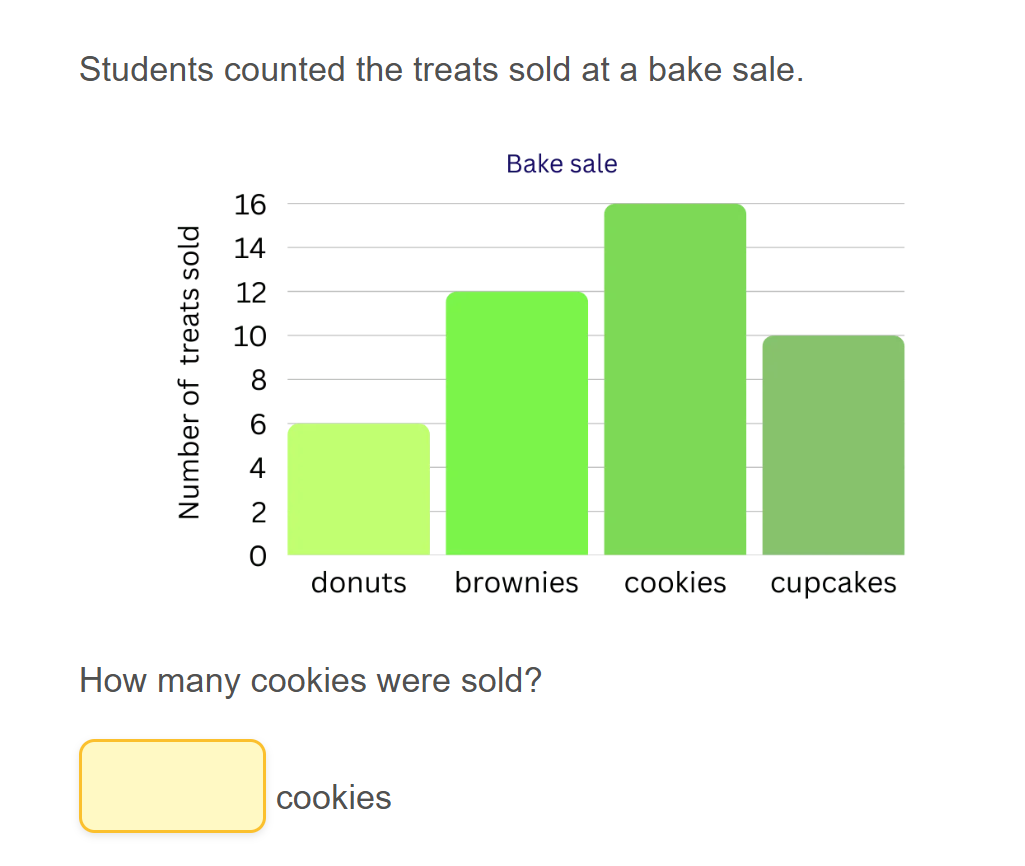
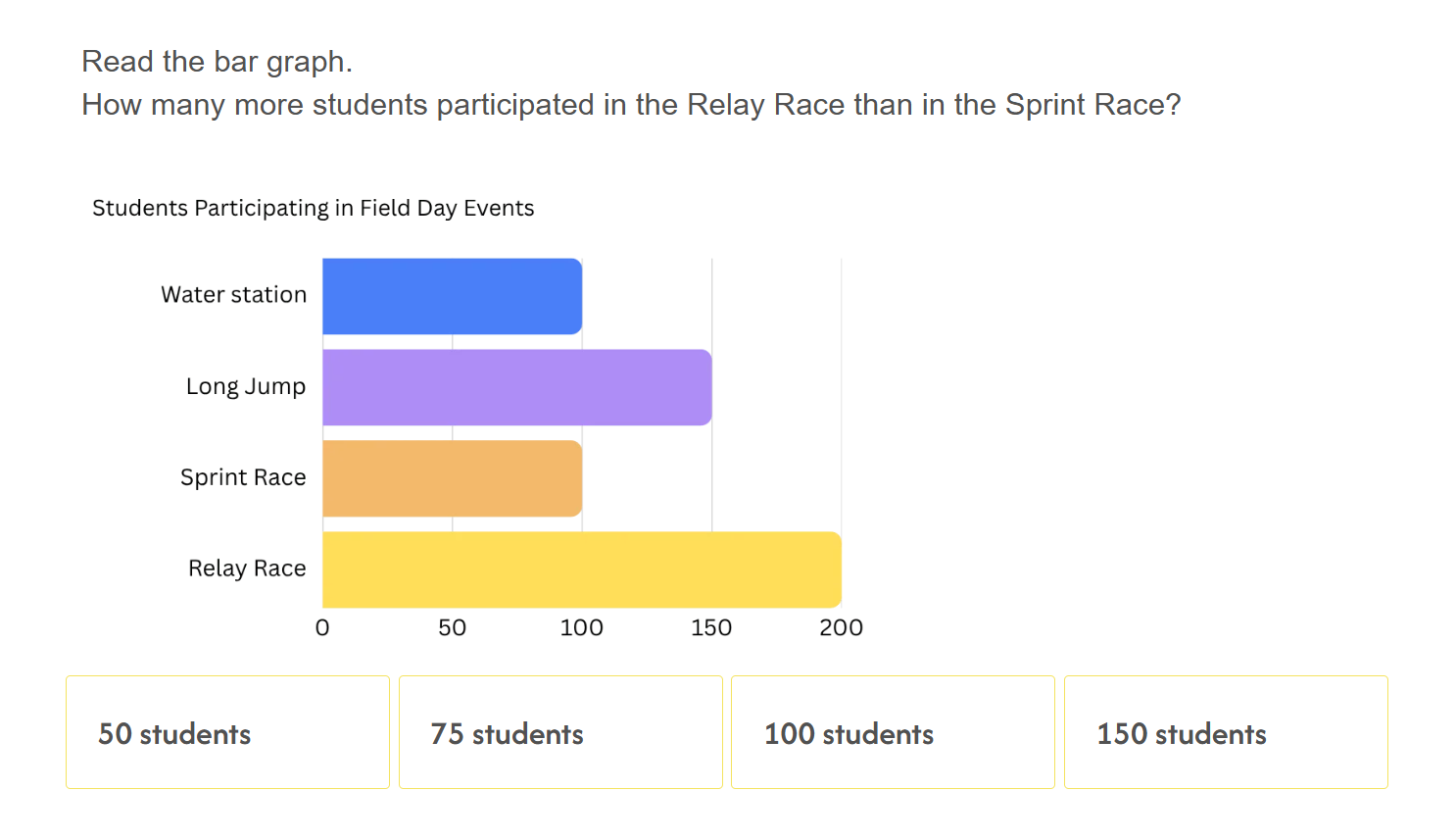
2. Interpret scaled bar graphs
3. Use bar graphs to solve problems
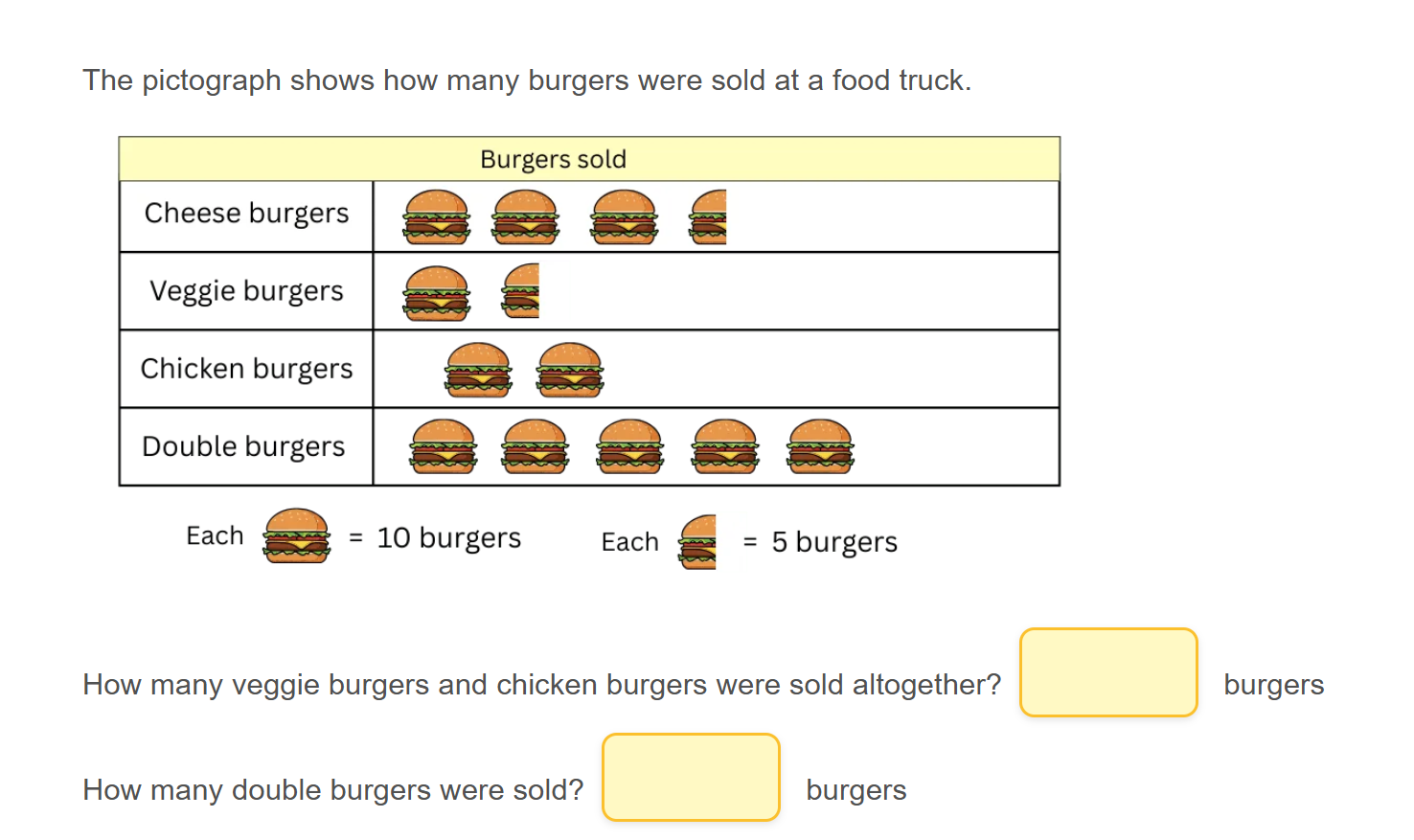
4. Interpret scaled picture graphs
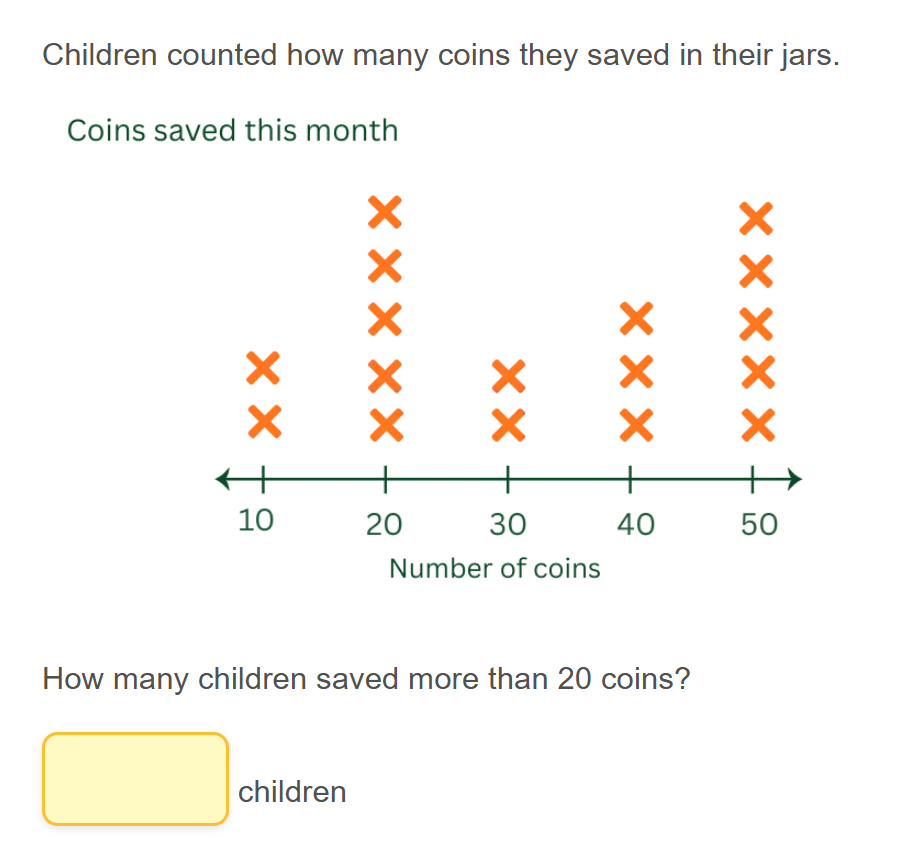
5. Interpret line plots
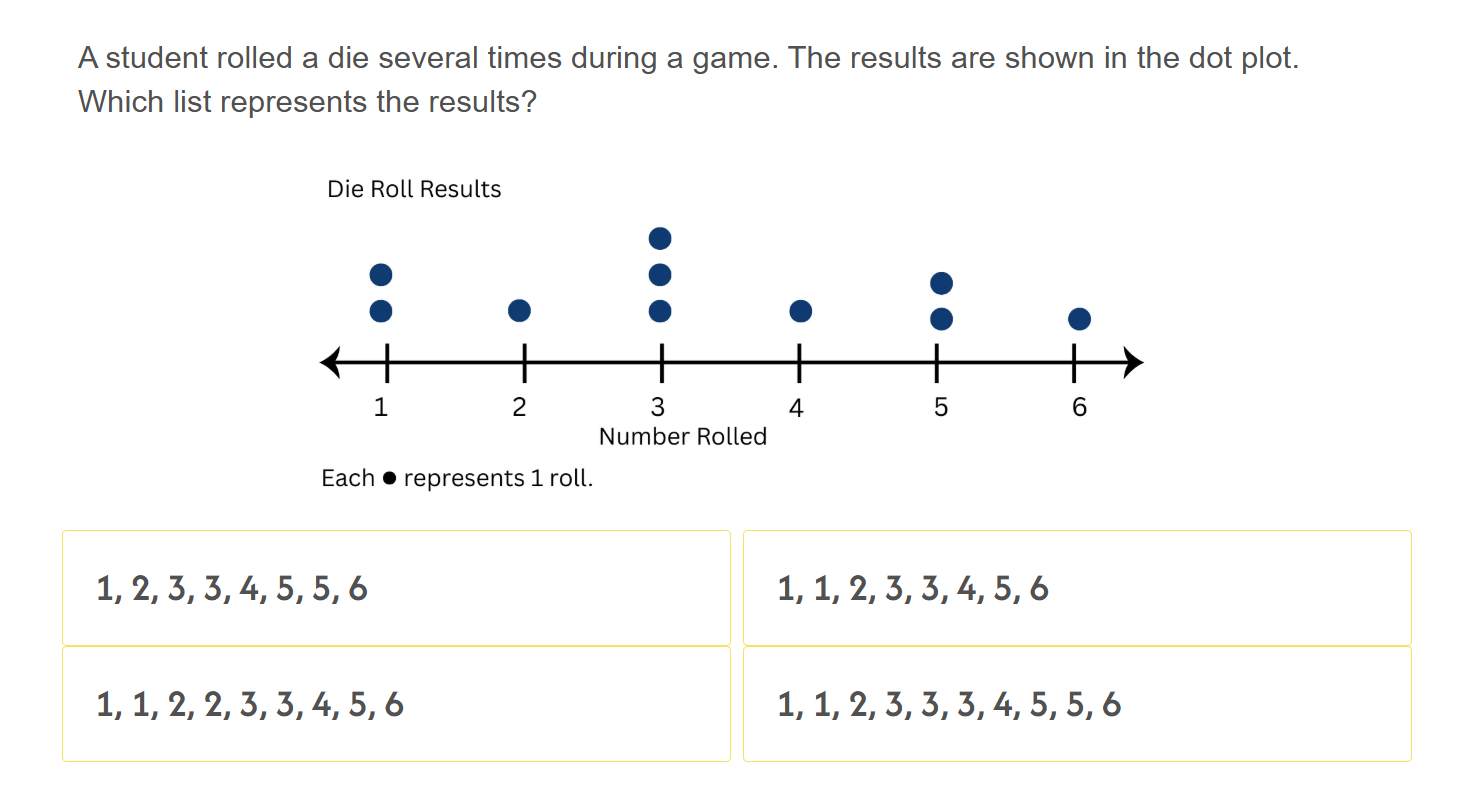
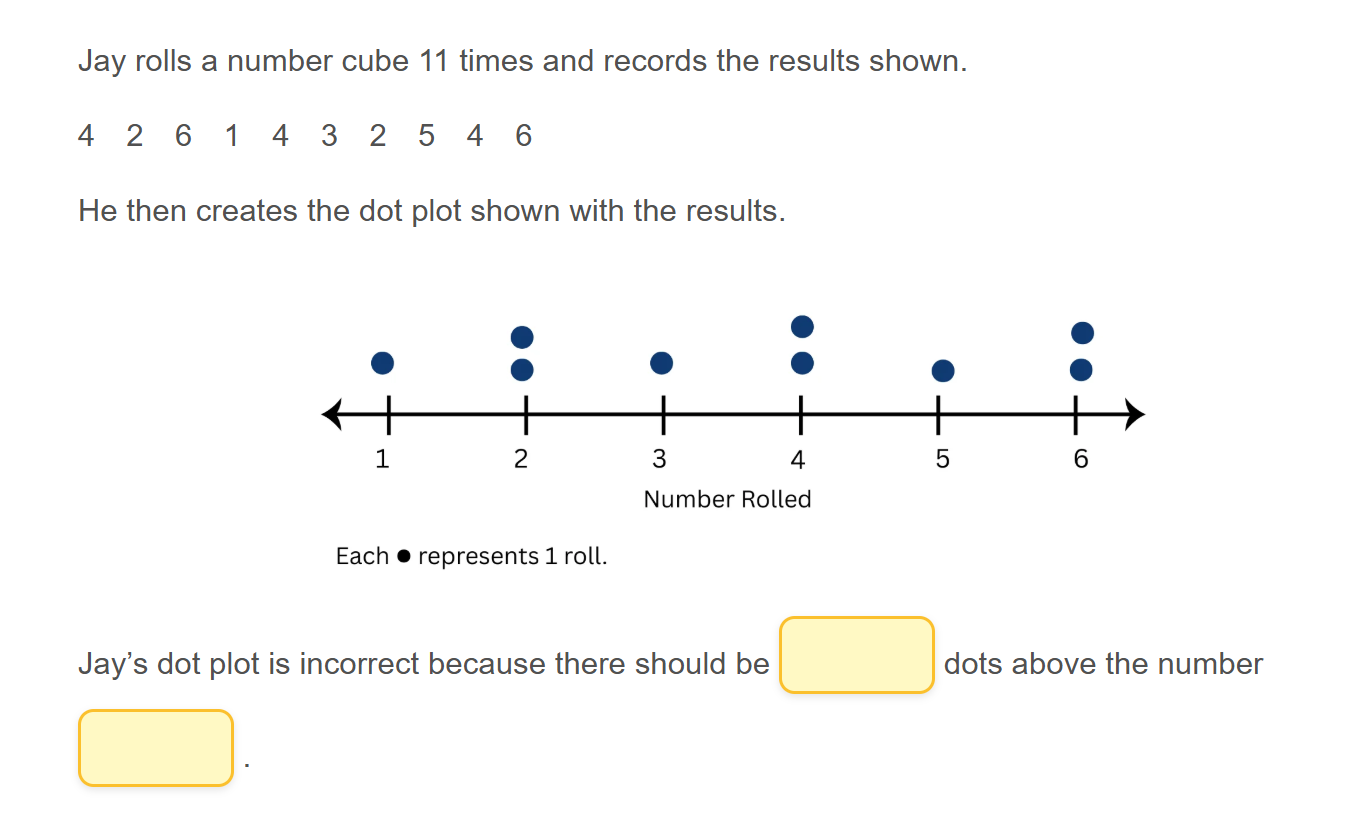
6. Interpret Dot plots
7. Use Dot plots to solve problems
GG. Money
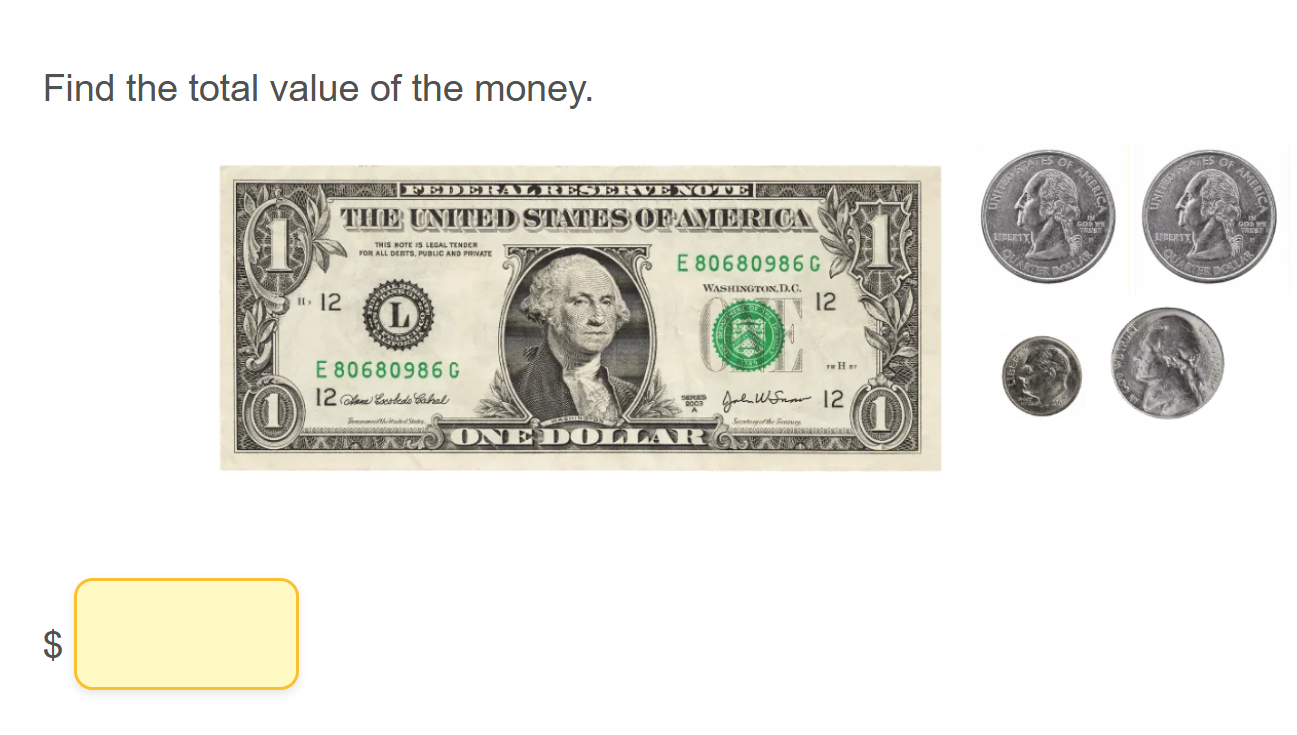
1. Count coins and $1 bills
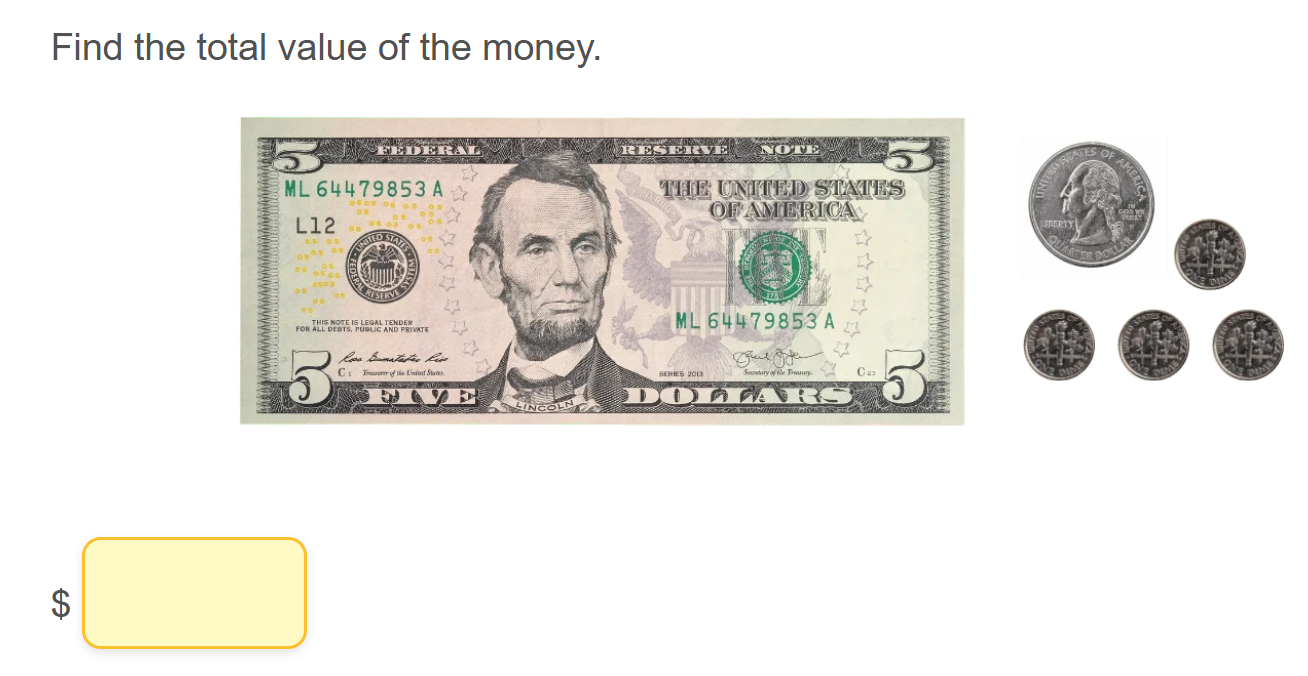
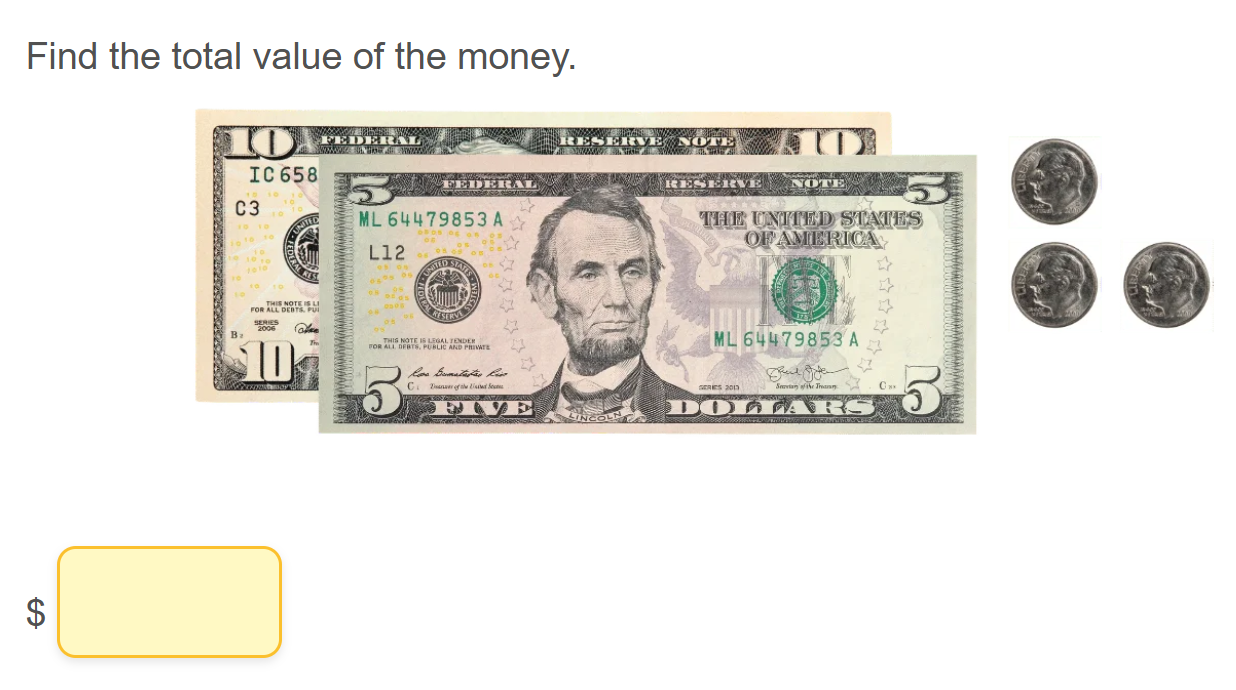
2. Count coins, $1 and $5 bills
3. Count coins and bills up to $10
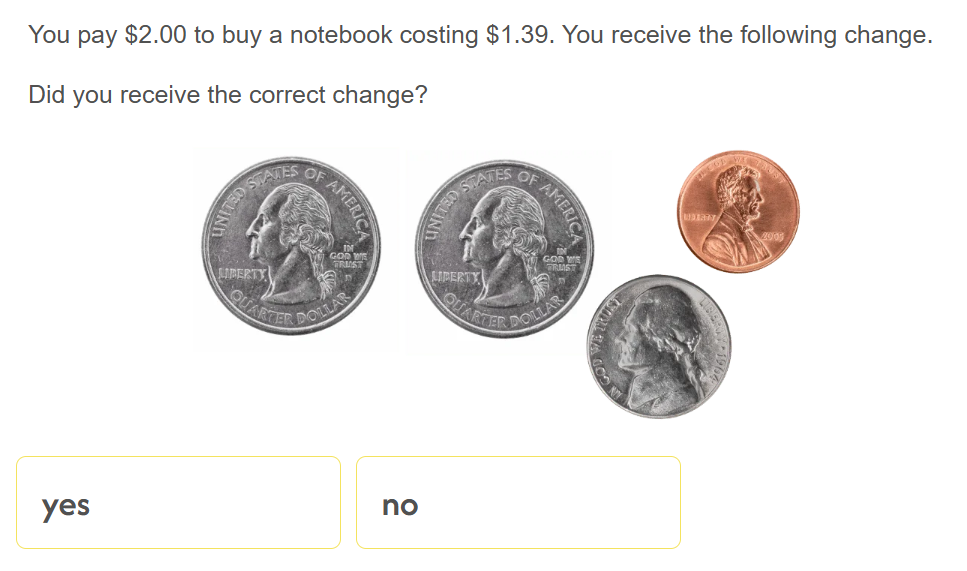
4. Find the correct amount of change
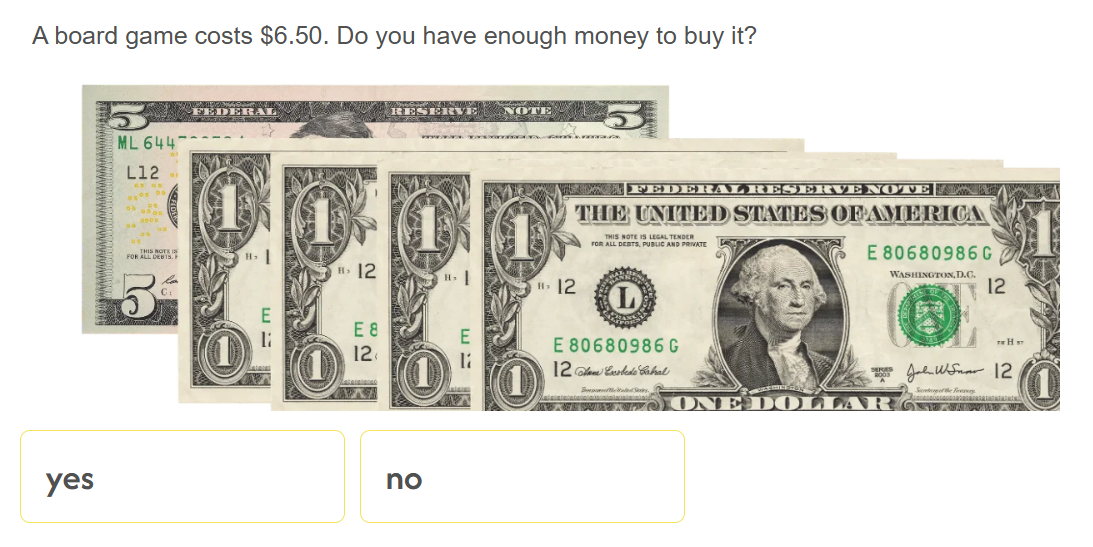
5. Do you have enough money?
6. Count coins and bills: word problems
7. Count money: word problems
HH. Financial literacy
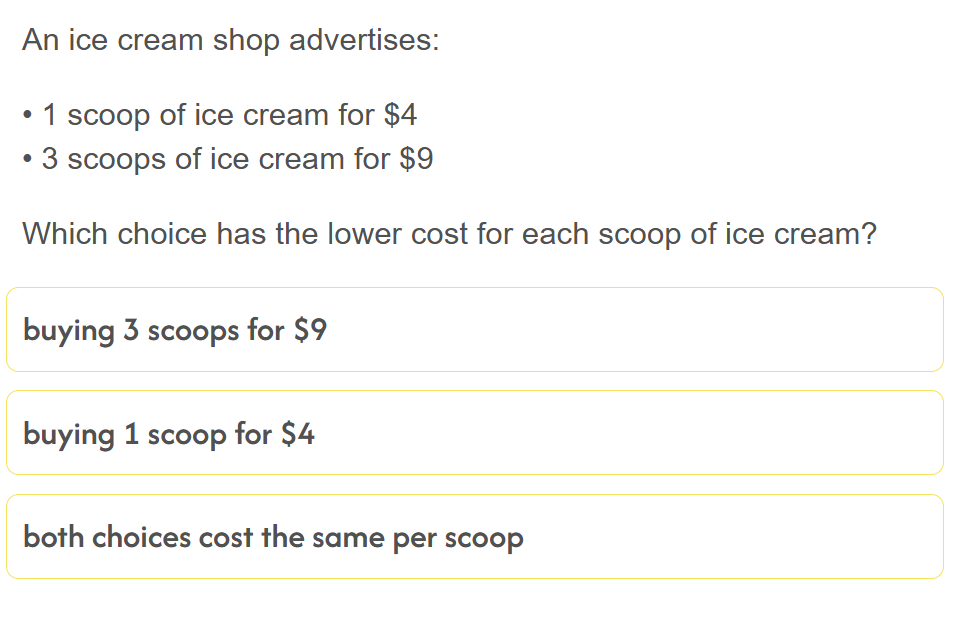
1. Understand scarcity and cost
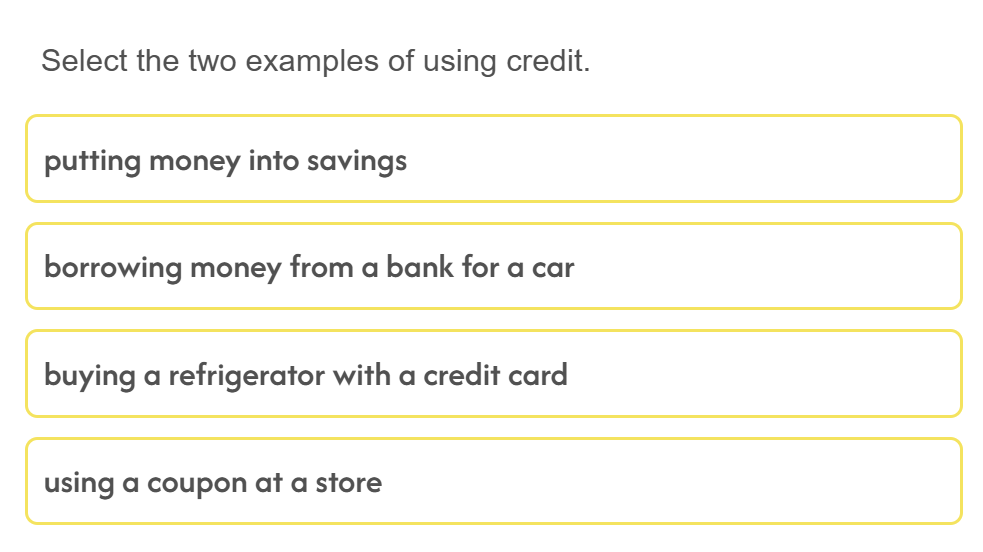
2. Credit and borrowing
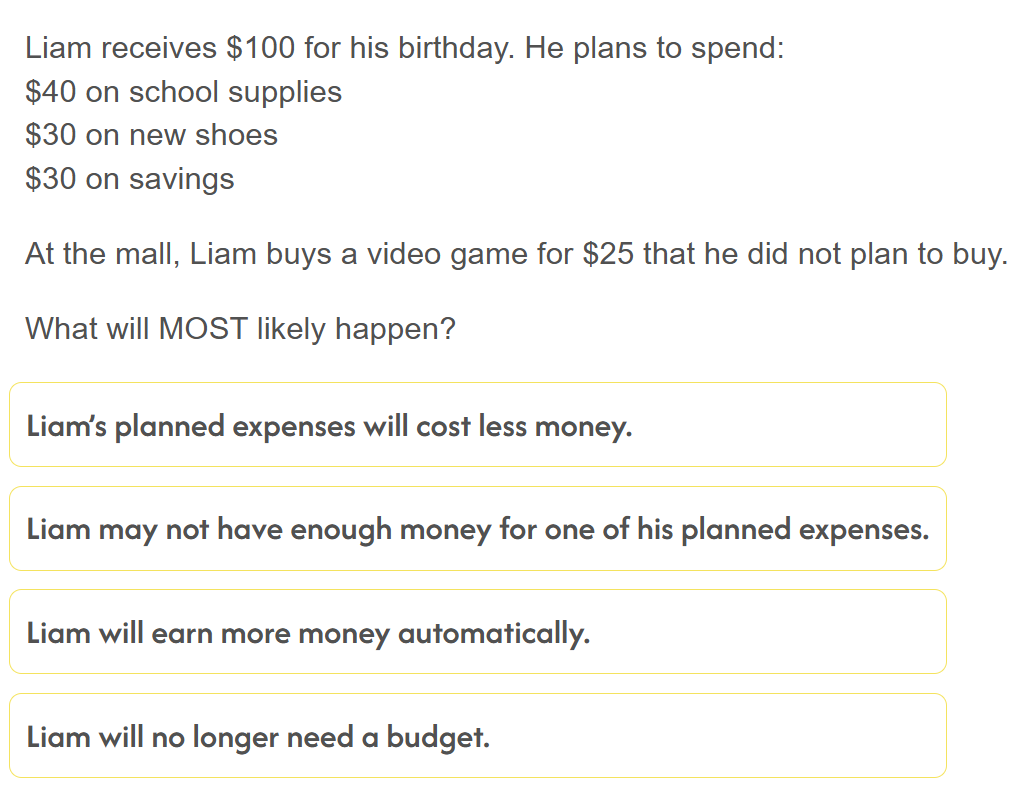
3. Planned and unplanned spending decisions
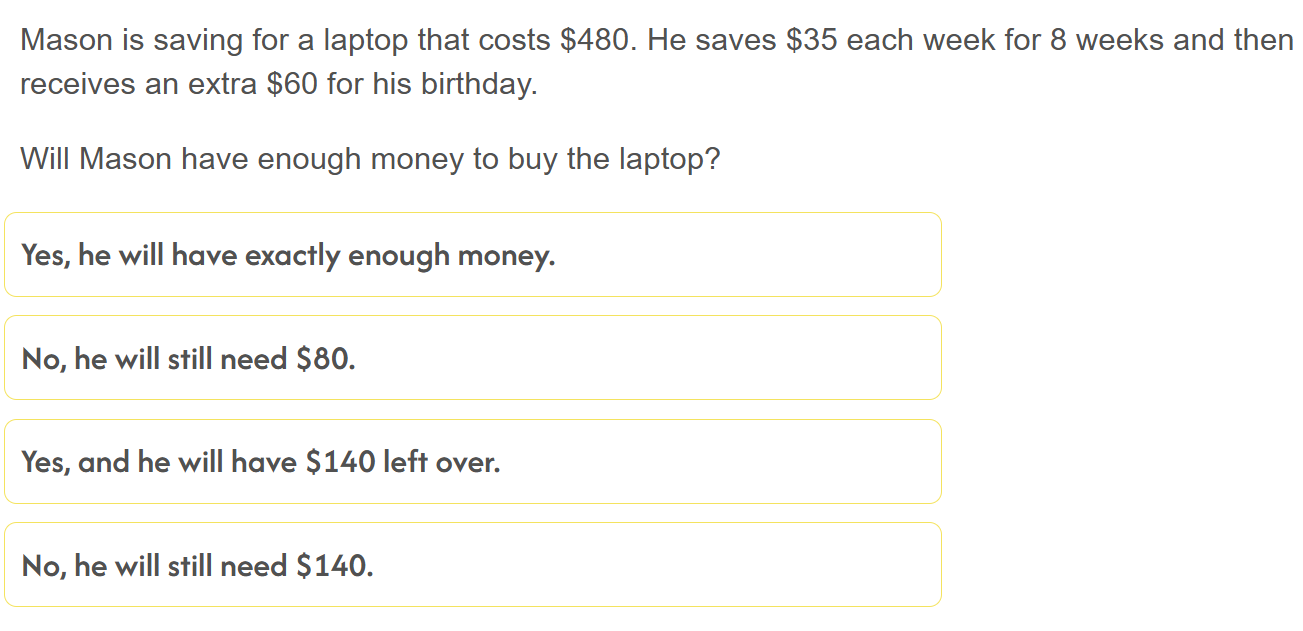
4. Saving plans
5. Factors that affect income
6. Financial decisions
Subscribe to our newsletter
About Us
FAQs
Contact Us
Copyright 2026 Bendigo Learning